
Ankea is one of those Finnish words that resists a direct translation. Its meaning shifts subtly depending on the context, but it is generally used to describe something bleak, gloomy or quietly miserable.
Which made it all the more curious that a festival carrying a name associated with desolation would end up bringing together so many visibly enthusiastic people.
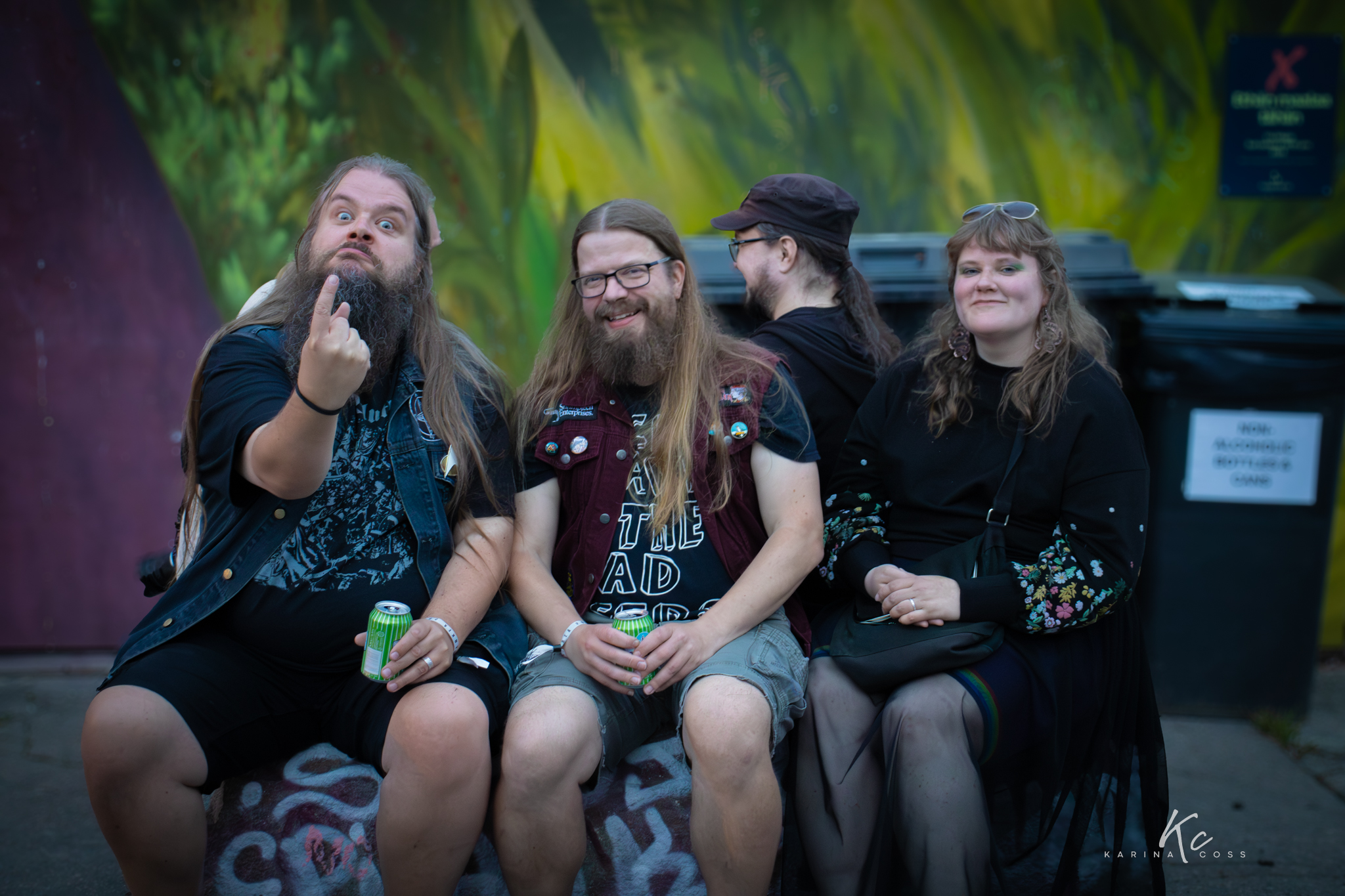
After all, there is nothing unusual about seeing joy on the faces of fans watching their favourite band perform. What is far less common is finding yourself smiling back at complete strangers. Yet that happened to me repeatedly throughout Ankea. People walking in the opposite direction would exchange brief expressions of satisfaction, shared understanding or simple happiness, almost by accident.
By focusing on a niche audience while challenging some of the practices that have become commonplace at major festivals, where experiences are often segmented, monetised and reduced to consumer categories, Ankea emerged as one of the most compelling additions to this year’s European festival season.
Attendance landed exactly where the organisers had hoped. Ankea was never trying to break records, although it did achieve a rather unusual milestone: coffee queues consistently outgrew those for any other beverage, while average drink consumption per attendee reportedly surpassed that of many other Finnish festivals.
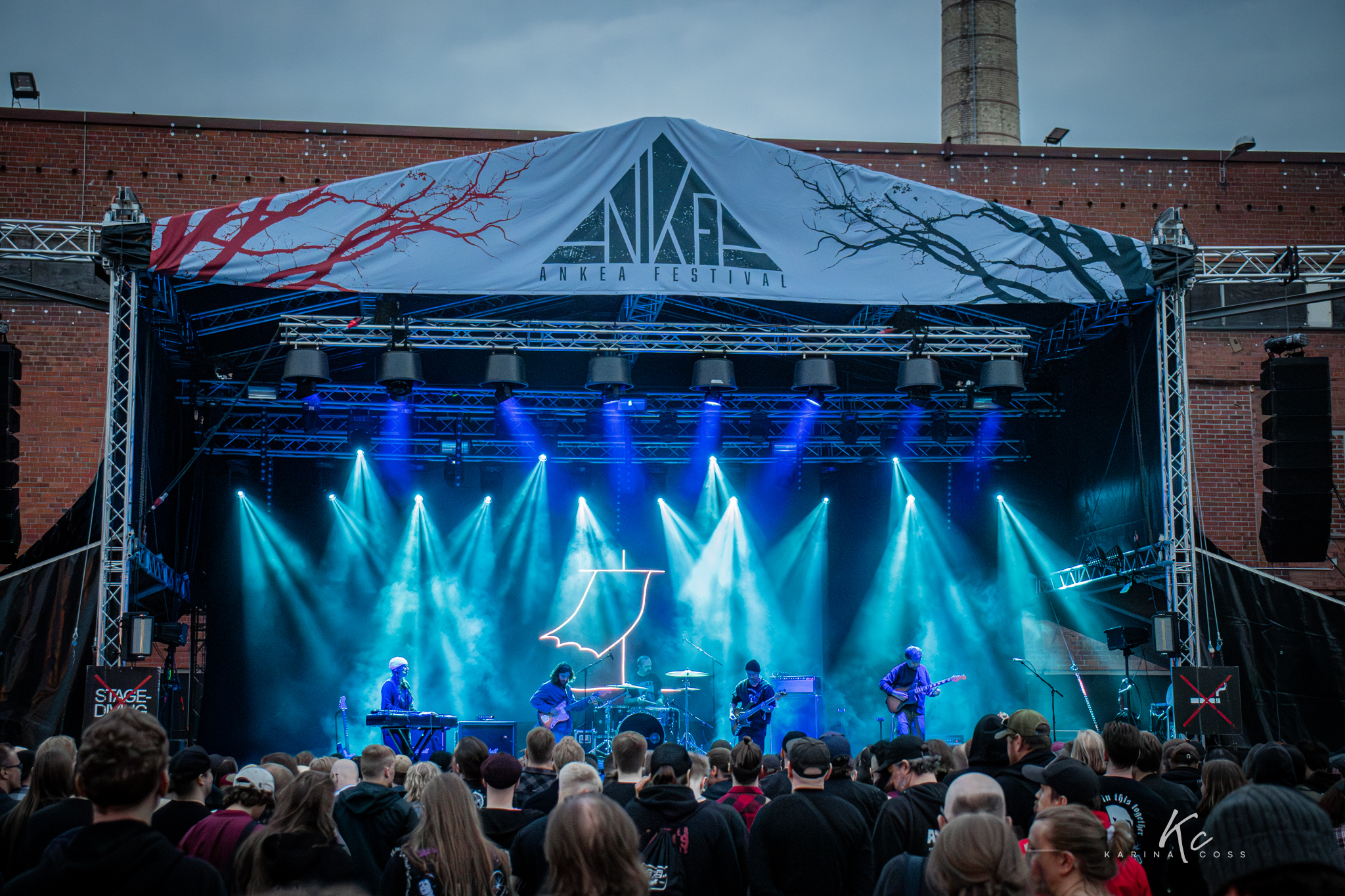
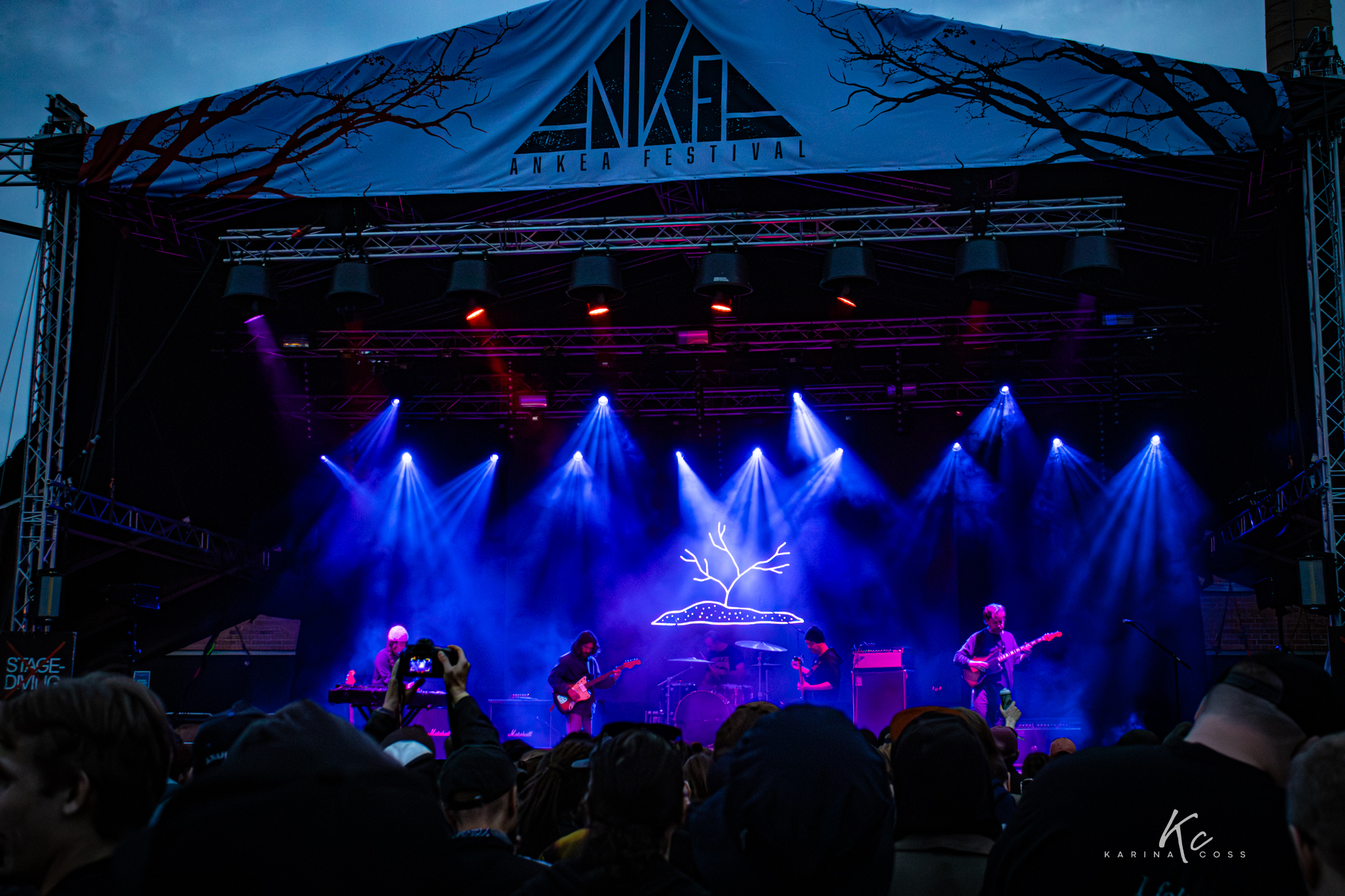
Roughly 2,000 people attended each day, bringing the weekend total close to 4,000 visitors. Across two days, 21 artists spanning post-rock, progressive music and atmospheric sounds—both Finnish and international—performed across two carefully curated stages.
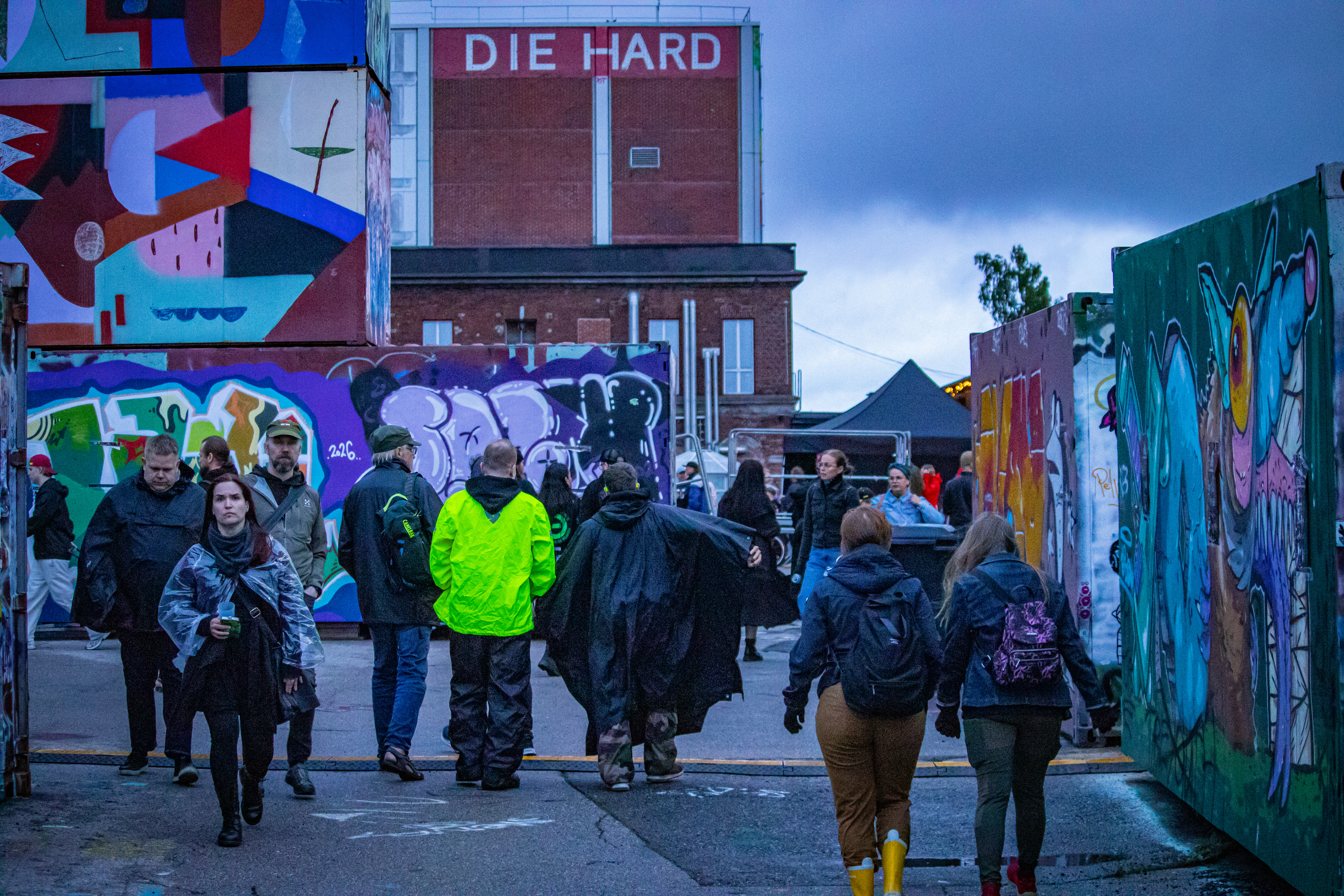
Those stages were set within Hiedanranta, a former industrial district in Tampere.
And honestly, it would have been difficult to imagine a more fitting location.
The surroundings felt as desolate as they were inspiring. The post-industrial landscape gave the impression of wandering through the remnants of something abandoned, yet the towering murals, colourful graffiti and creative spaces scattered throughout the area seemed to insist on the possibility of hope. There was something deeply coherent about the relationship between the setting and the music; beauty reclaiming the ruins.
The festival grounds also deserve recognition for their thoughtful layout. A set of bleachers provided a welcome resting spot for attendees, though they often doubled as a communal dining area, given that the surrounding asphalt offered few alternatives for anyone looking to sit down and enjoy a meal. Food options catered to a variety of dietary preferences, another detail that reflected the organisers’ attention to the overall attendee experience.
Ankea is not the kind of festival built on hype. It does not ask fans to buy tickets for a mystery lineup, nor does it rely on marketing gimmicks to generate excitement. In fact, the first artists for next year’s edition had already been announced before this year’s festival even concluded. Neither is it a festival that divides its audience into different classes based on how much they are willing to spend.
From its very first edition, Ankea seemed committed to building something different: an experience rooted in community, accessibility and respect for its audience. Just as importantly, it filled a gap that had long existed in Finland’s live music landscape, establishing itself as the country’s first dedicated progressive music festival—and, indeed, the first of its kind anywhere in the Nordic region.
In a way, all of this ended up redefining the very word the festival chose as its name.
That said, I should probably admit that I was never exactly the target audience. Many of the names on the bill were only vaguely familiar to me. I recognised perhaps a third of the lineup—enough to spark my curiosity, but not enough to anticipate what I would ultimately discover over the course of that weekend.
Day One: Friday, June 5
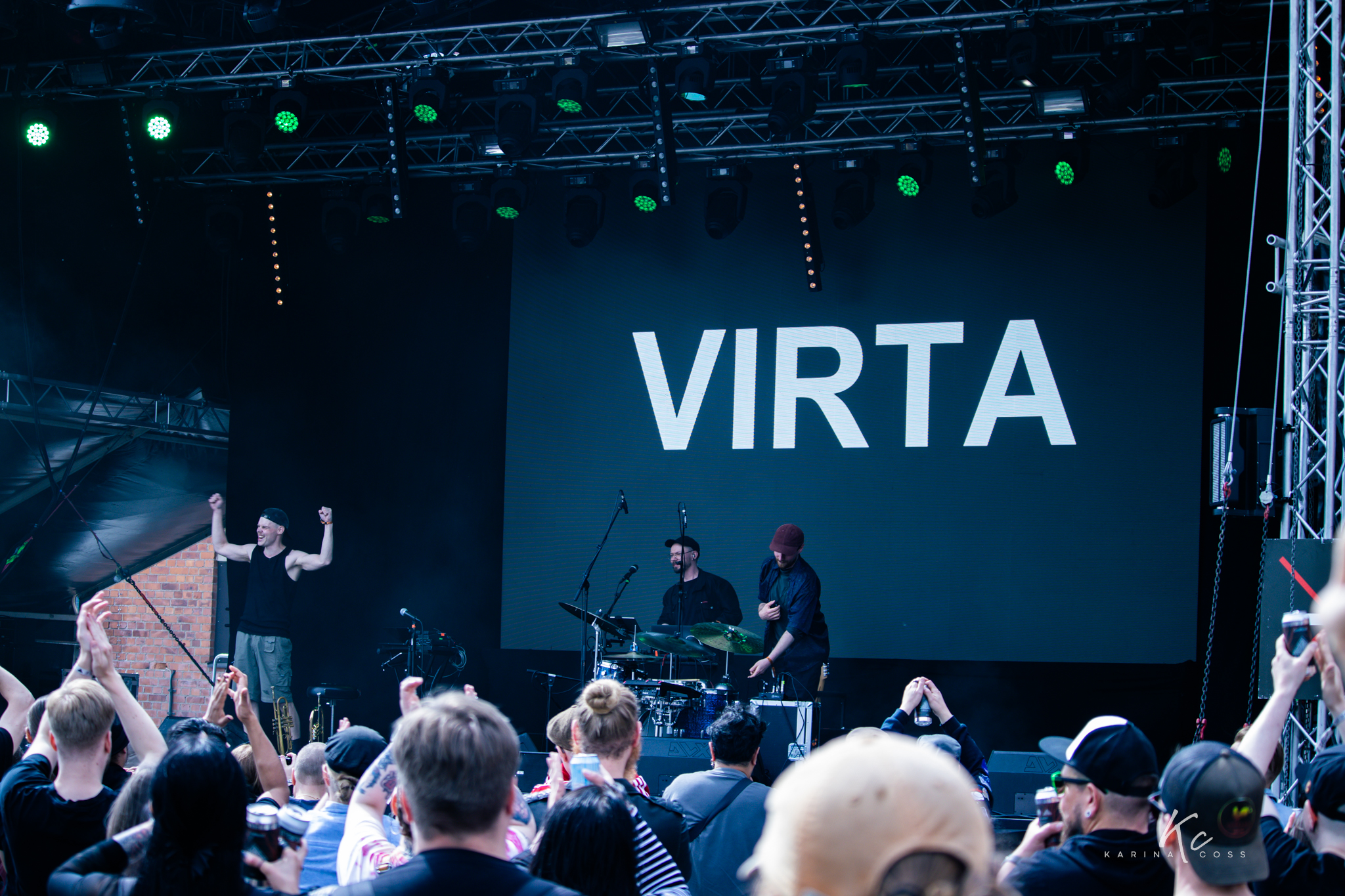
Friday’s programme got underway early, with the first performances kicking off at 13:30. Three local acts opened the festival, including Demonic Death Judge, whose crushing, heavyweight sound drew in the earliest arrivals. Later came one of the afternoon’s most warmly received performances: VIRTA.
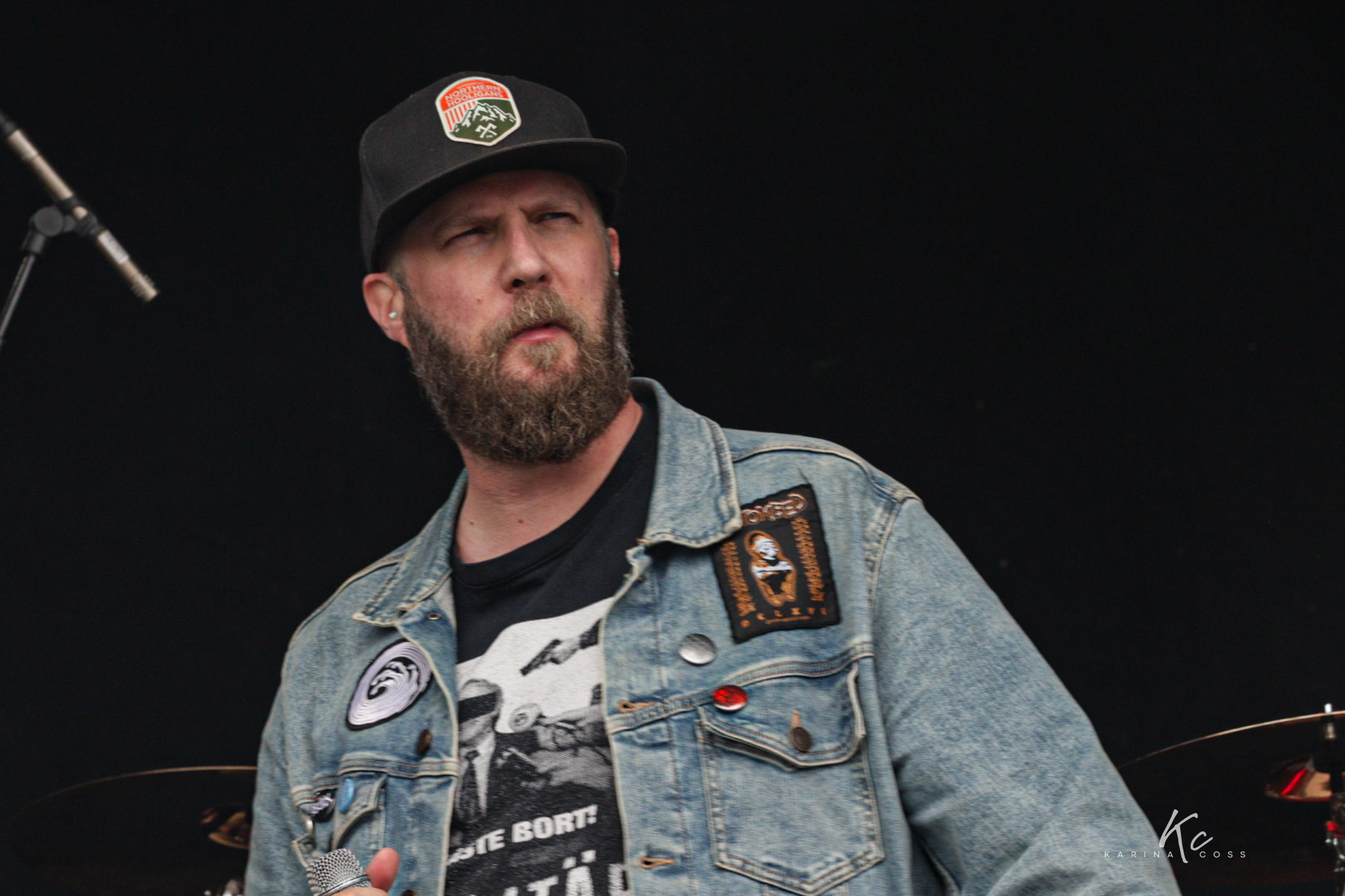
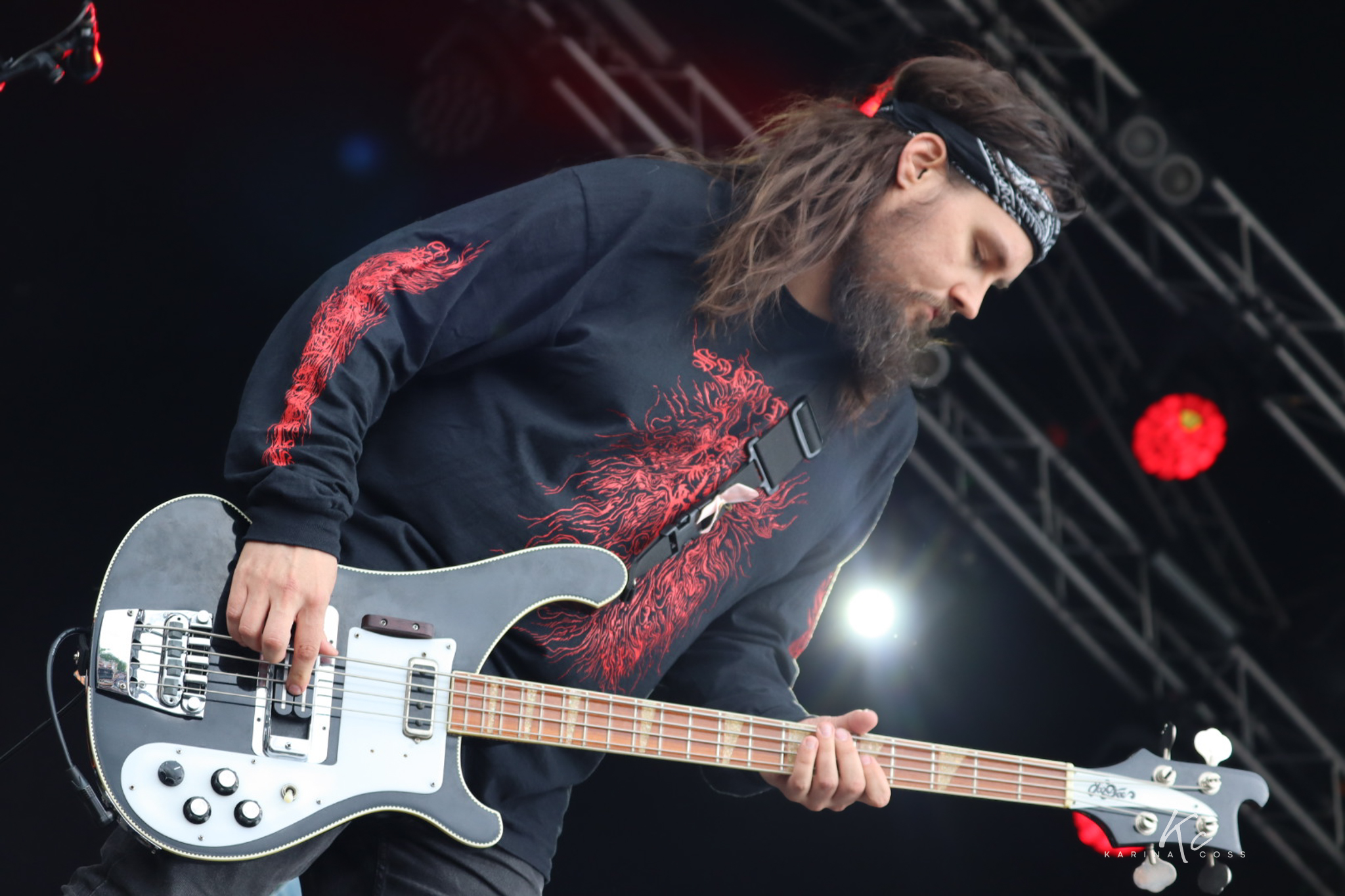
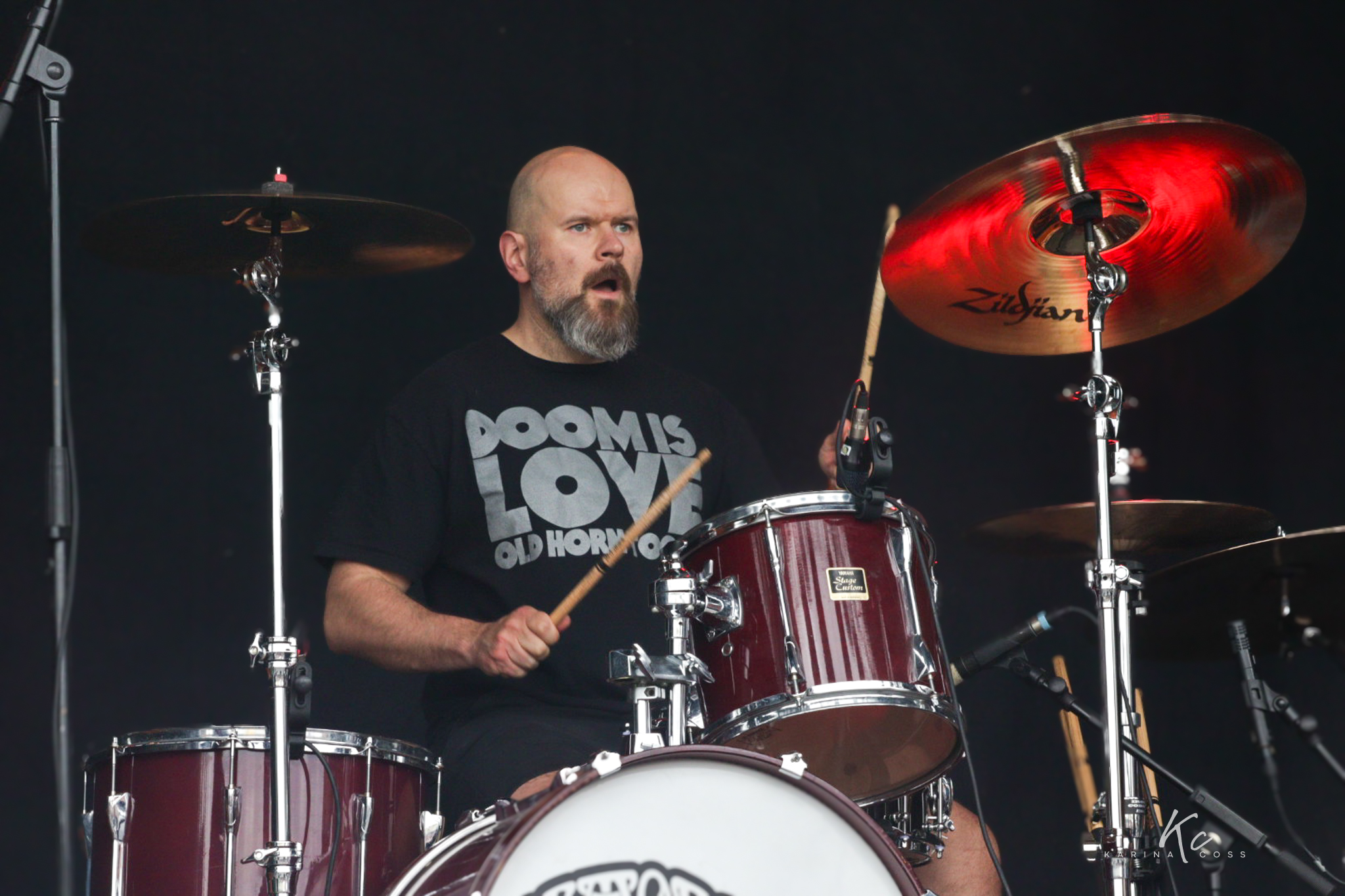
Describing VIRTA is no easy task. Their music resists straightforward categorisation, moving effortlessly between textures, moods and influences. There is a vitality and versatility to their sound that lingers long after the set has ended.
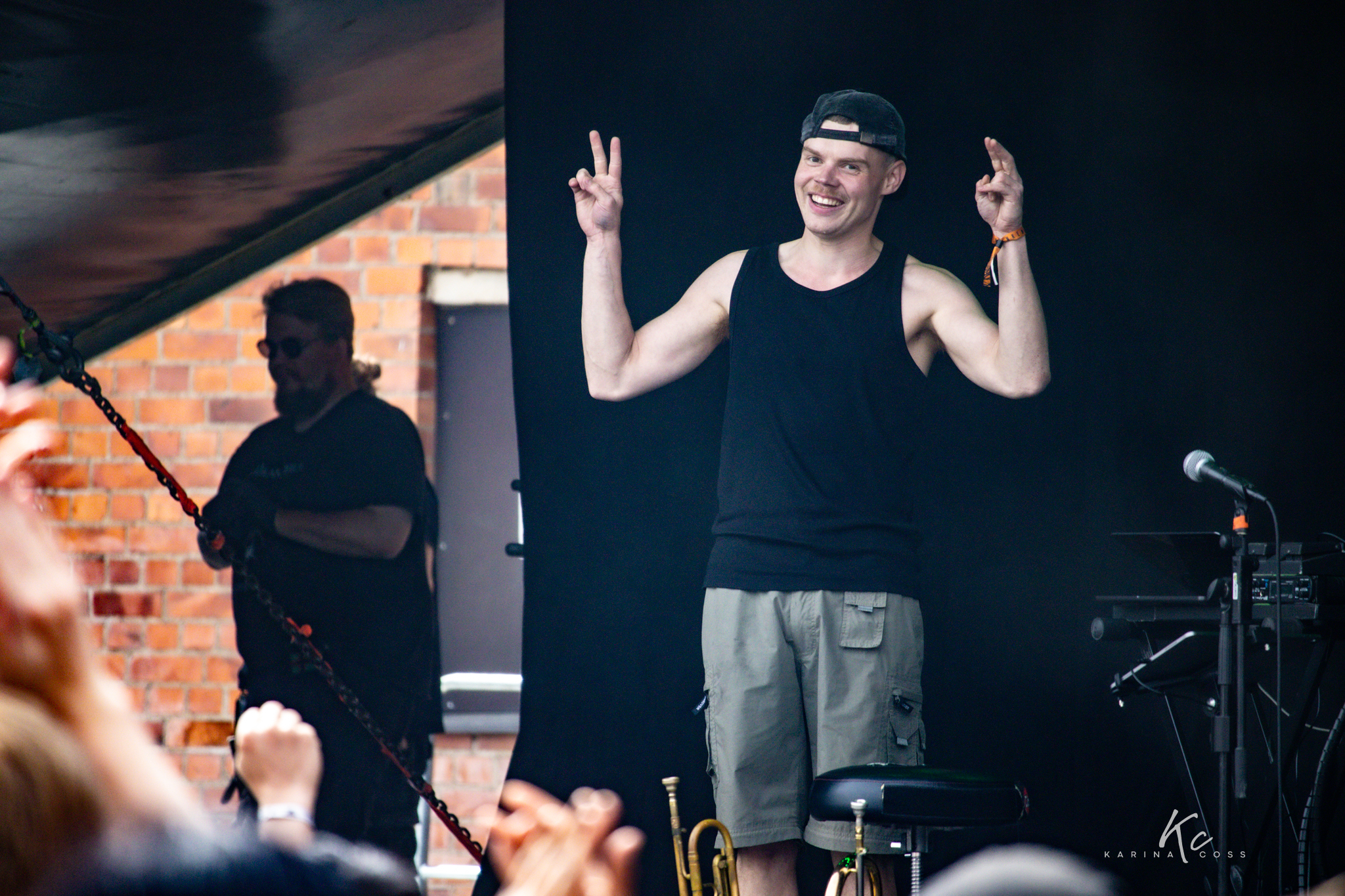
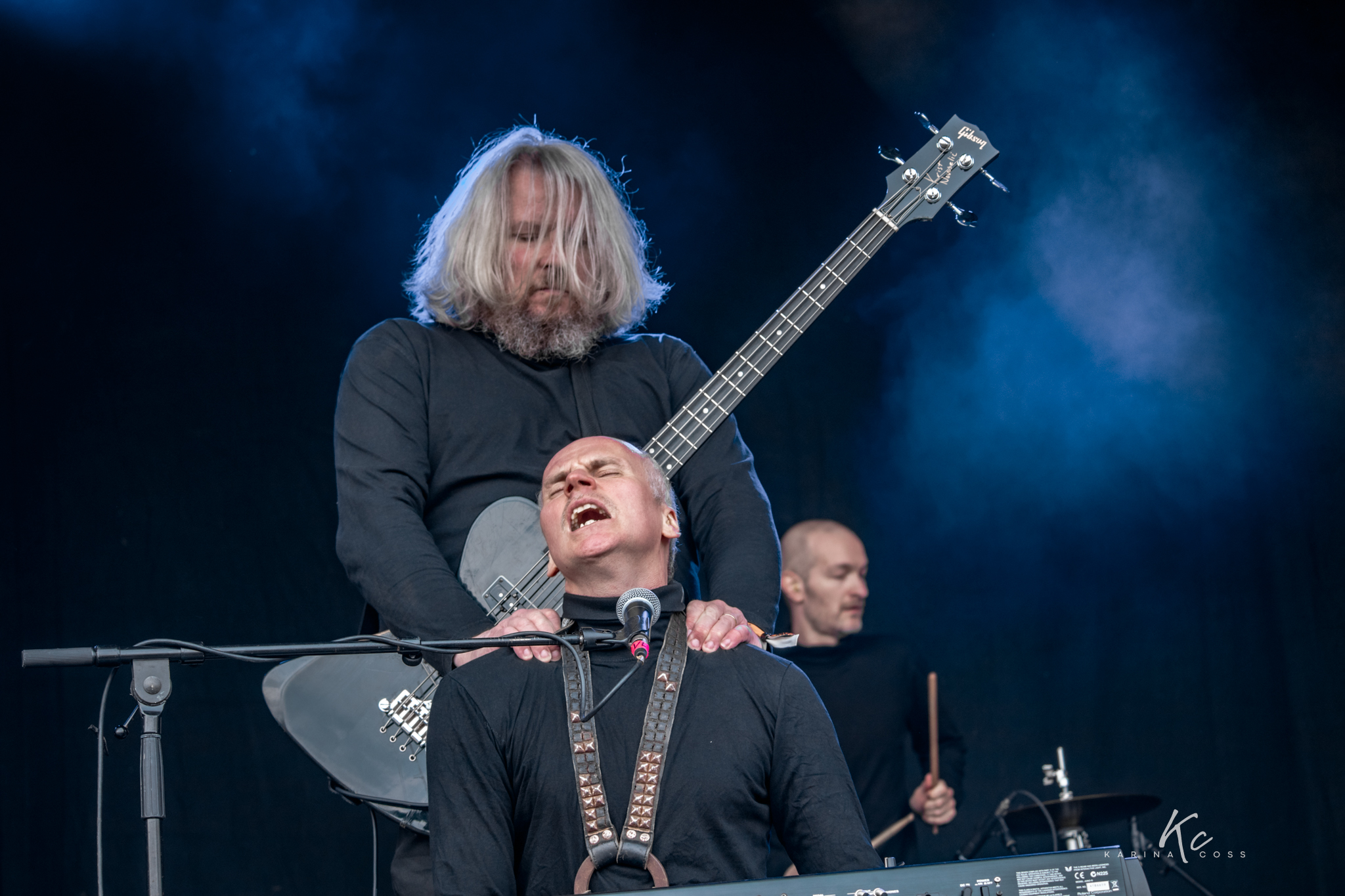
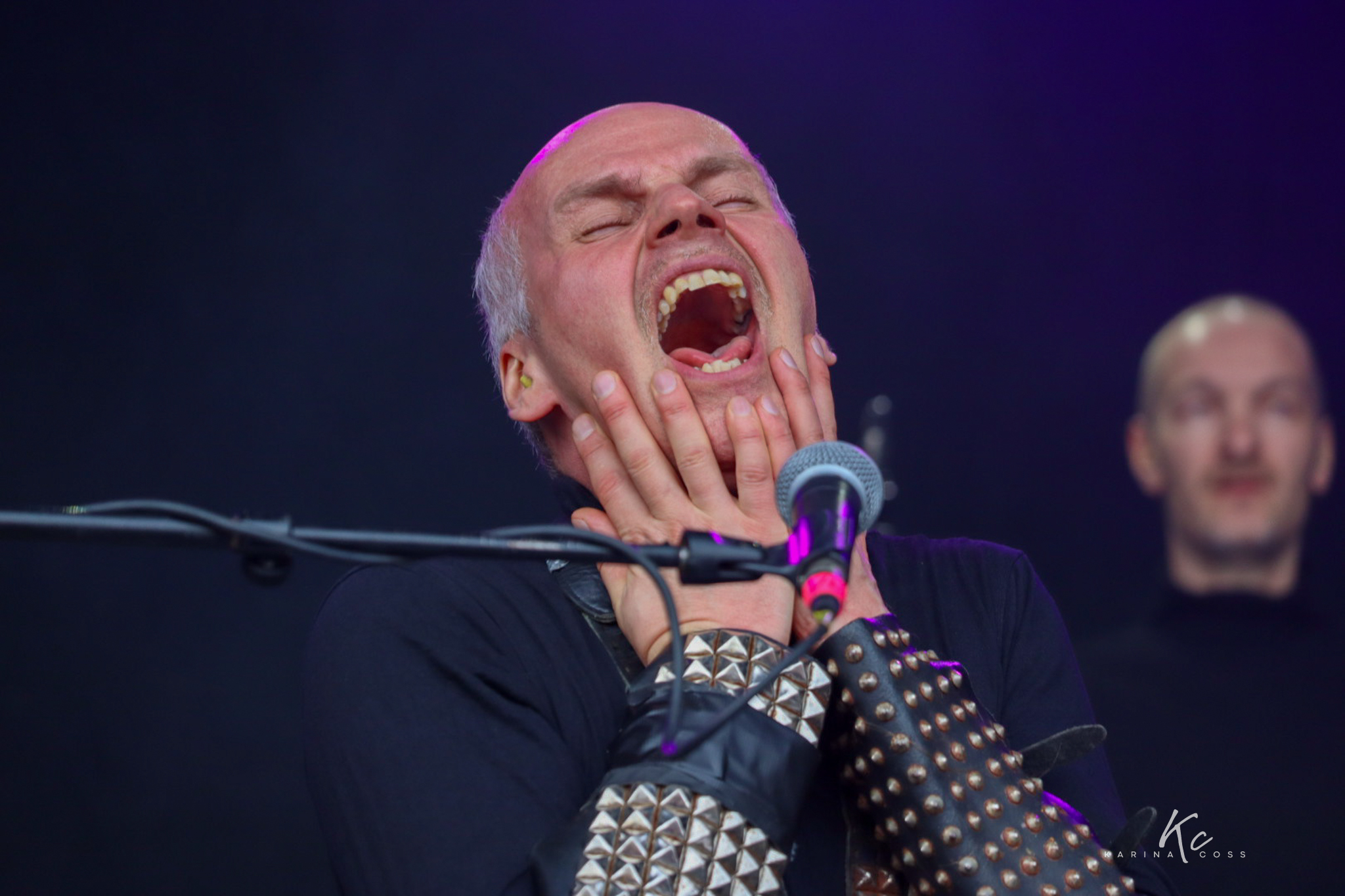
The same could be said of Circle, the genre-defying outfit from Pori. What these musicians create is nothing short of madness—in the best possible sense. Their sonic universe is strange, unpredictable and, for precisely that reason, impossible to ignore.
With the weather firmly on the festival’s side, it was time for the first international act to take one of the main stages. American progressive outfit Earthside pushed the concept of progressive music far beyond its conventional boundaries. Boundless energy, flawless musicianship and an unmistakably charismatic connection with the crowd won over the audience within minutes.
Then again, they already had a head start. Finland ranks among Earthside’s top five Spotify markets worldwide, a fact the band mentioned with obvious pride. Judging by their reaction, that statistic seemed almost as exciting as performing at Ankea itself—one of the largest, if not the largest, outdoor shows of their career to date.
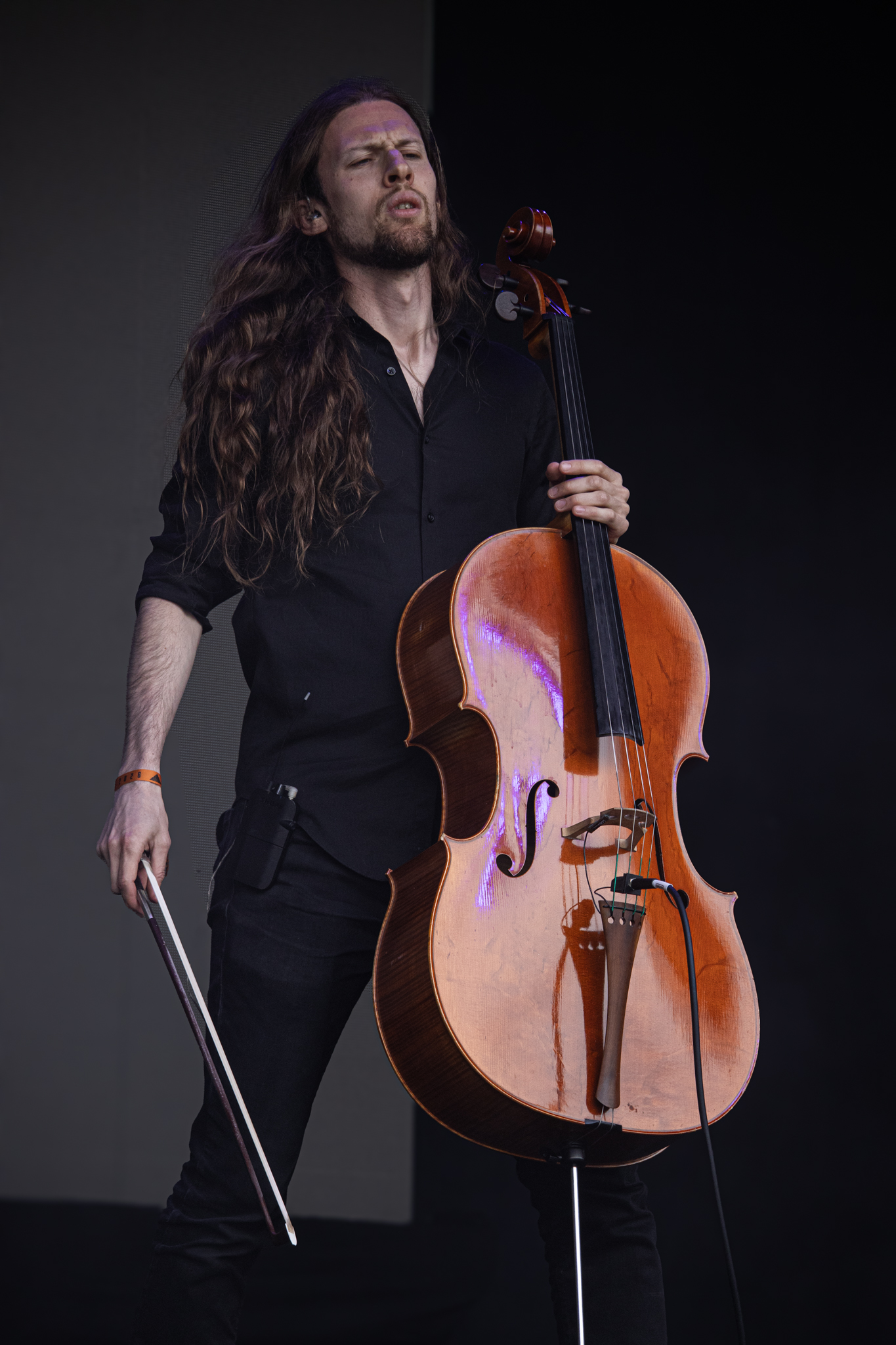
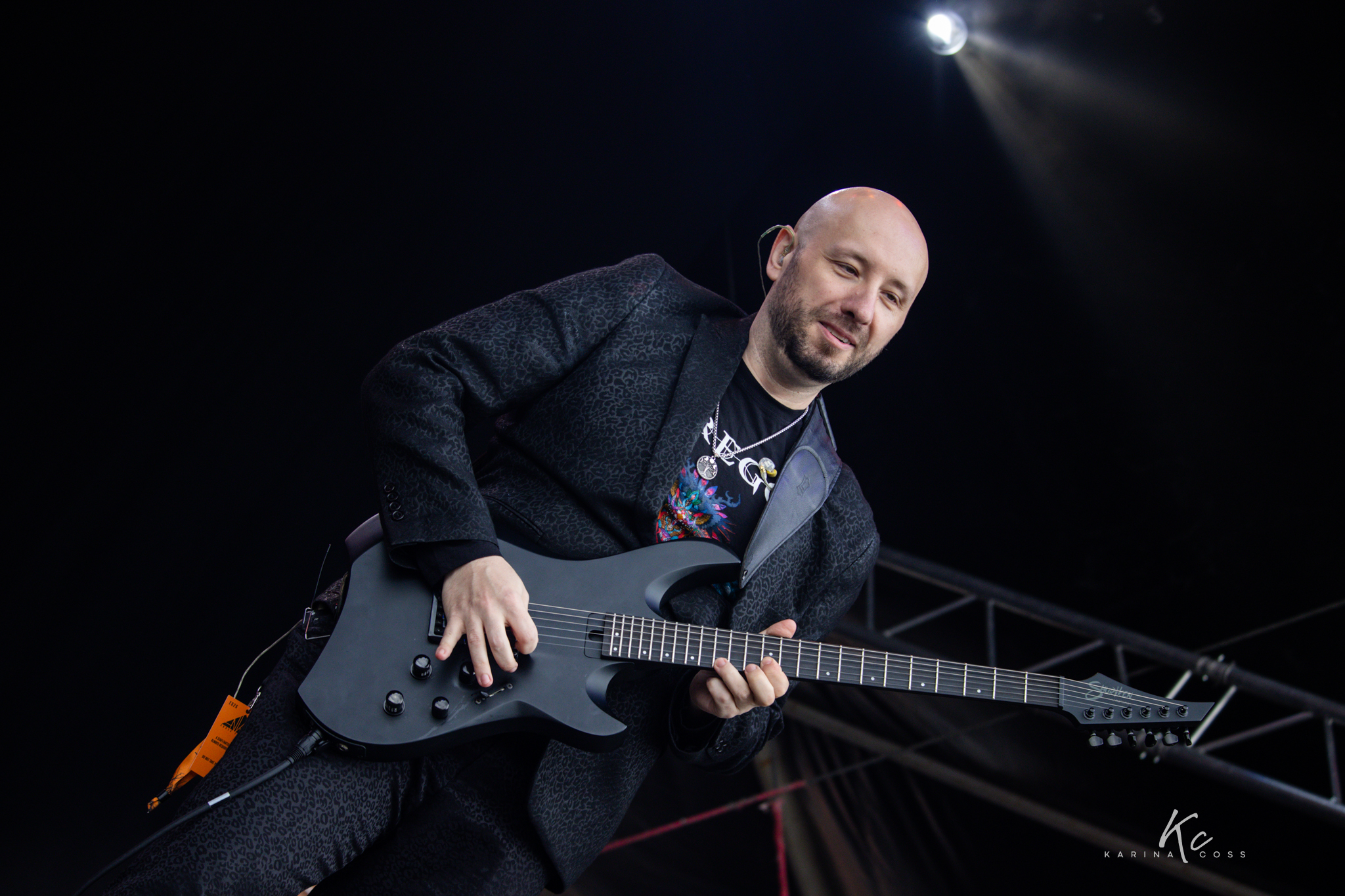
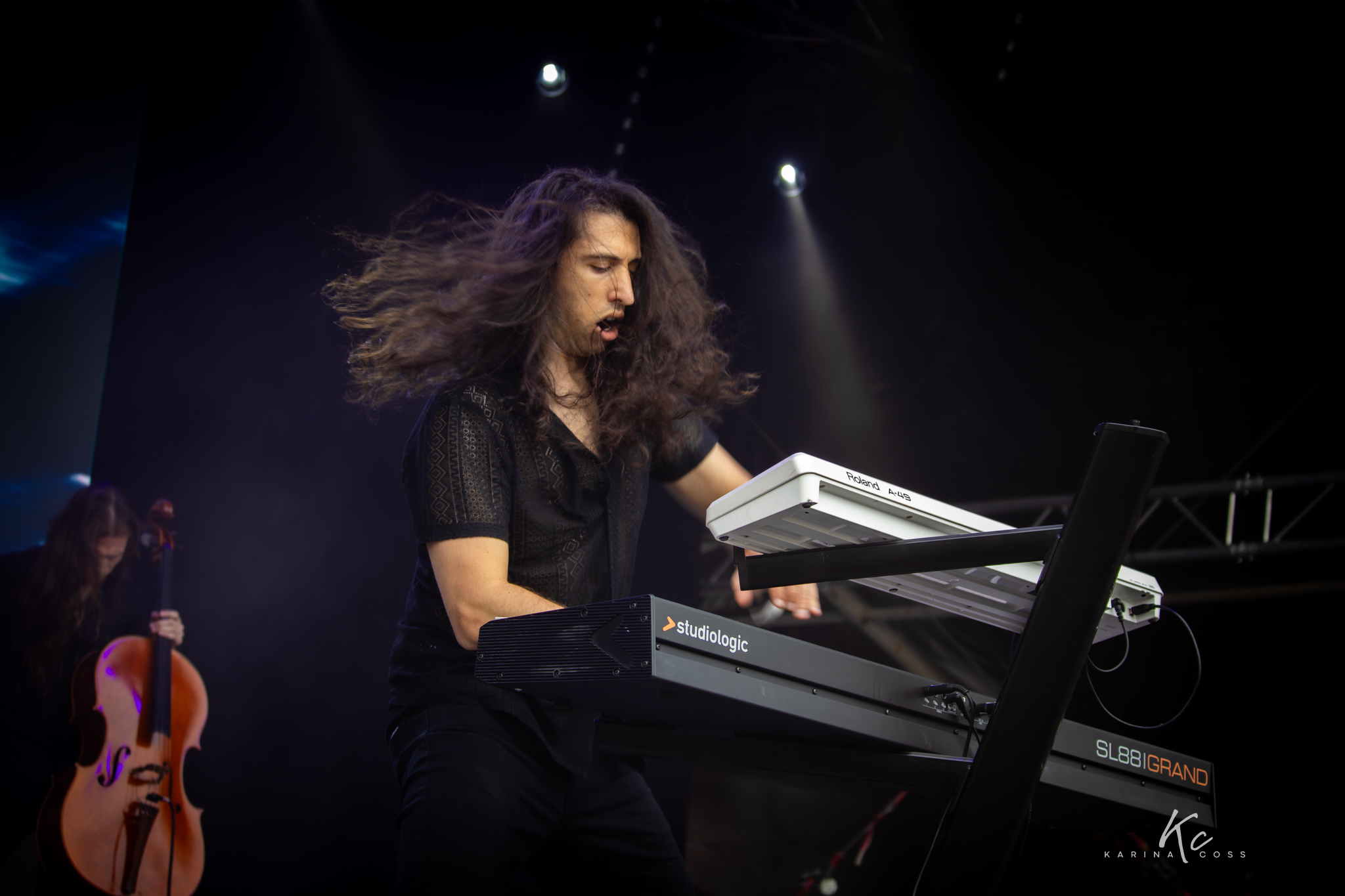
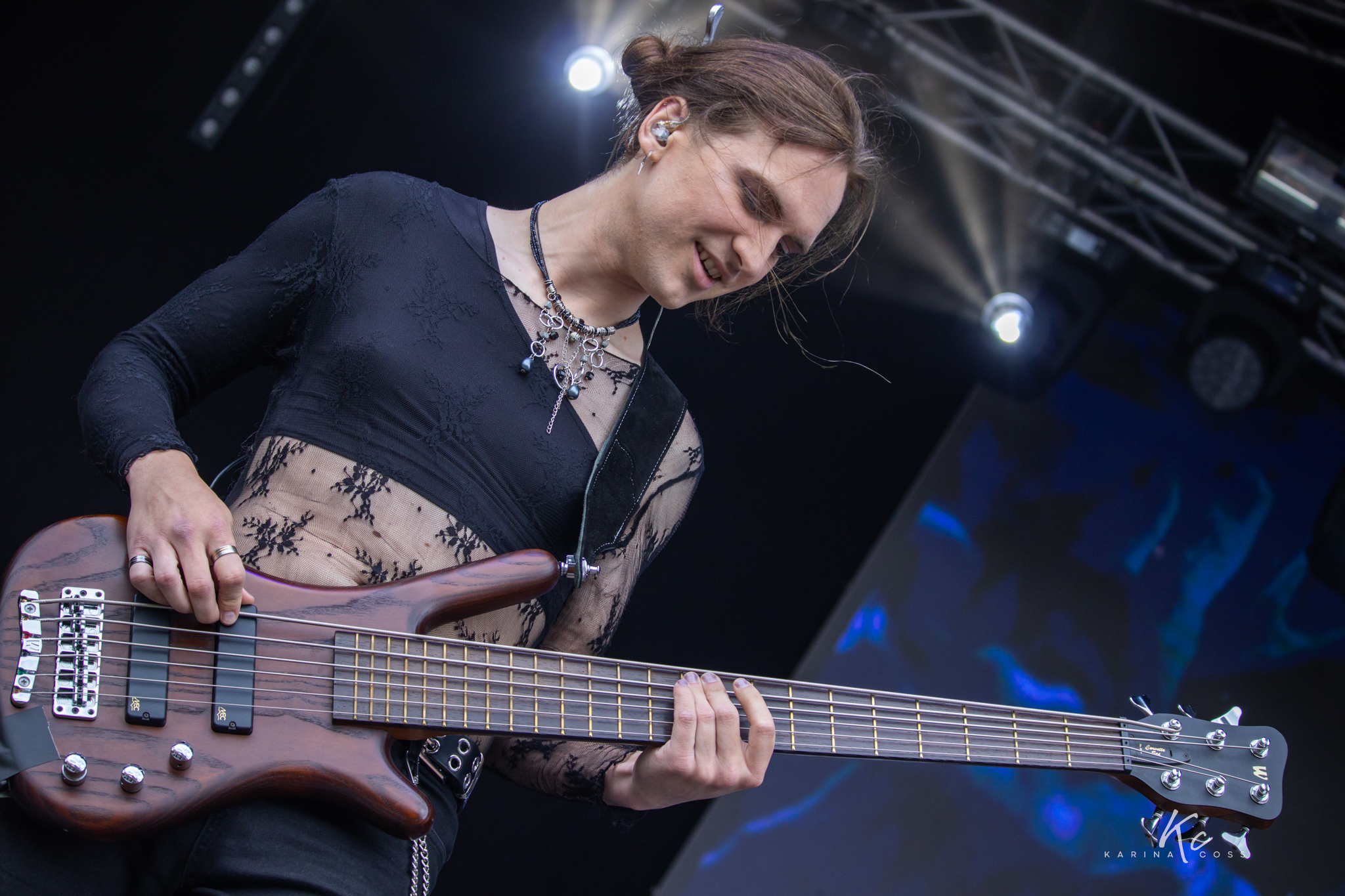
Judging by the size of their name on the lineup and the number of T-shirts in the crowd, Leprous was clearly one of the most anticipated bands of the day. Still, I already had a quiet certainty: the highlight for me would be God Is An Astronaut.
Finding out they were scheduled for five in the afternoon, in full daylight, made me slightly unsure at first. I couldn’t quite explain why. I’ve always associated their music with darker spaces and indoor venues, but the daylight didn’t change anything in the end.
The Kinsella brothers, alongside their new Spanish drummer, firmly confirmed their status as genre references. No lighting tricks or big production were needed to create that atmosphere that feels like stepping into another world. They built it entirely through music—layer by layer, emotion by emotion. Their live sound still manages to lift you, break you apart, and rebuild you.
If anything, Ankea could easily repeat names in future editions. Having God Is An Astronaut return would be hard to see as anything other than a safe bet.
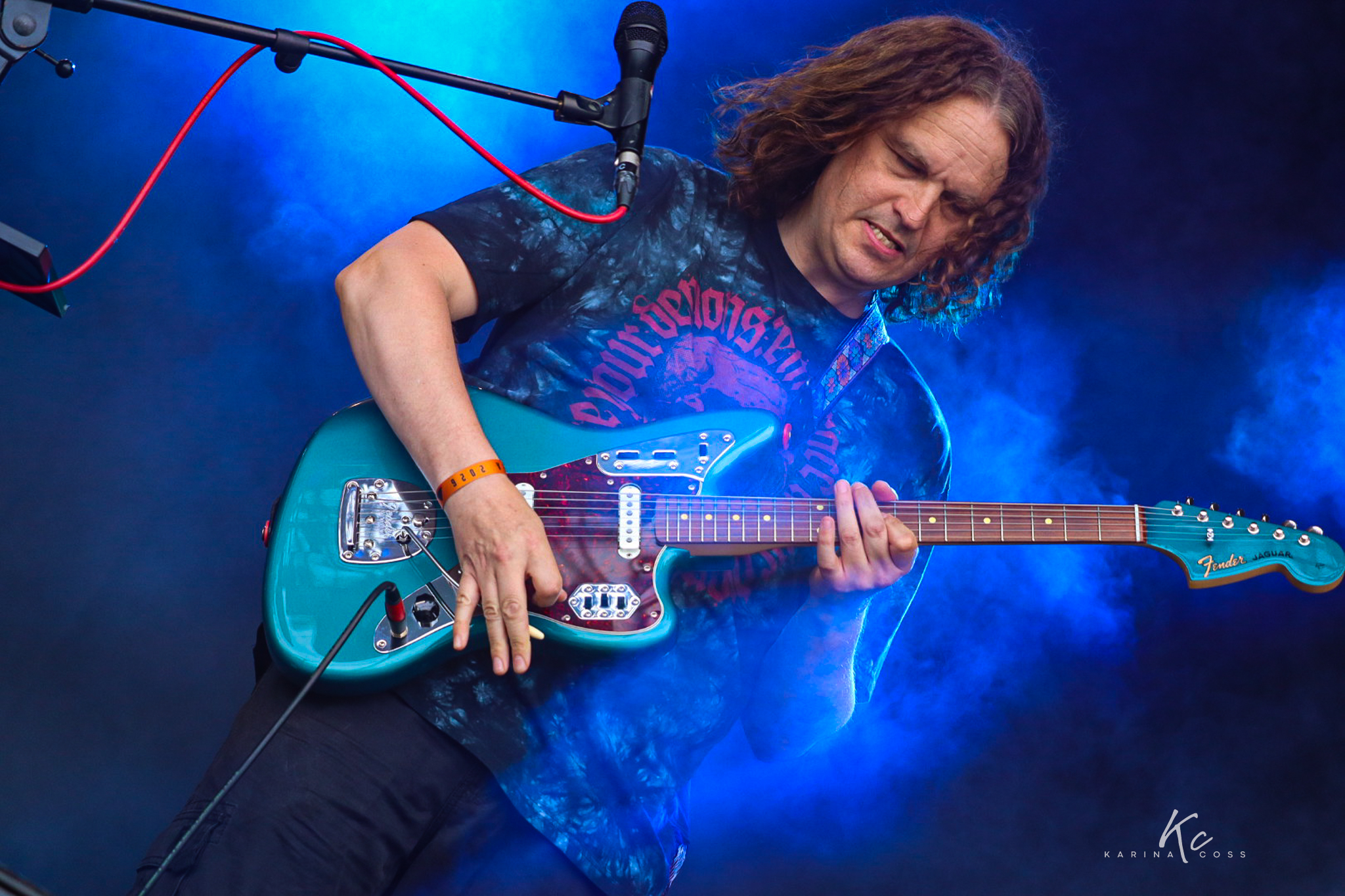
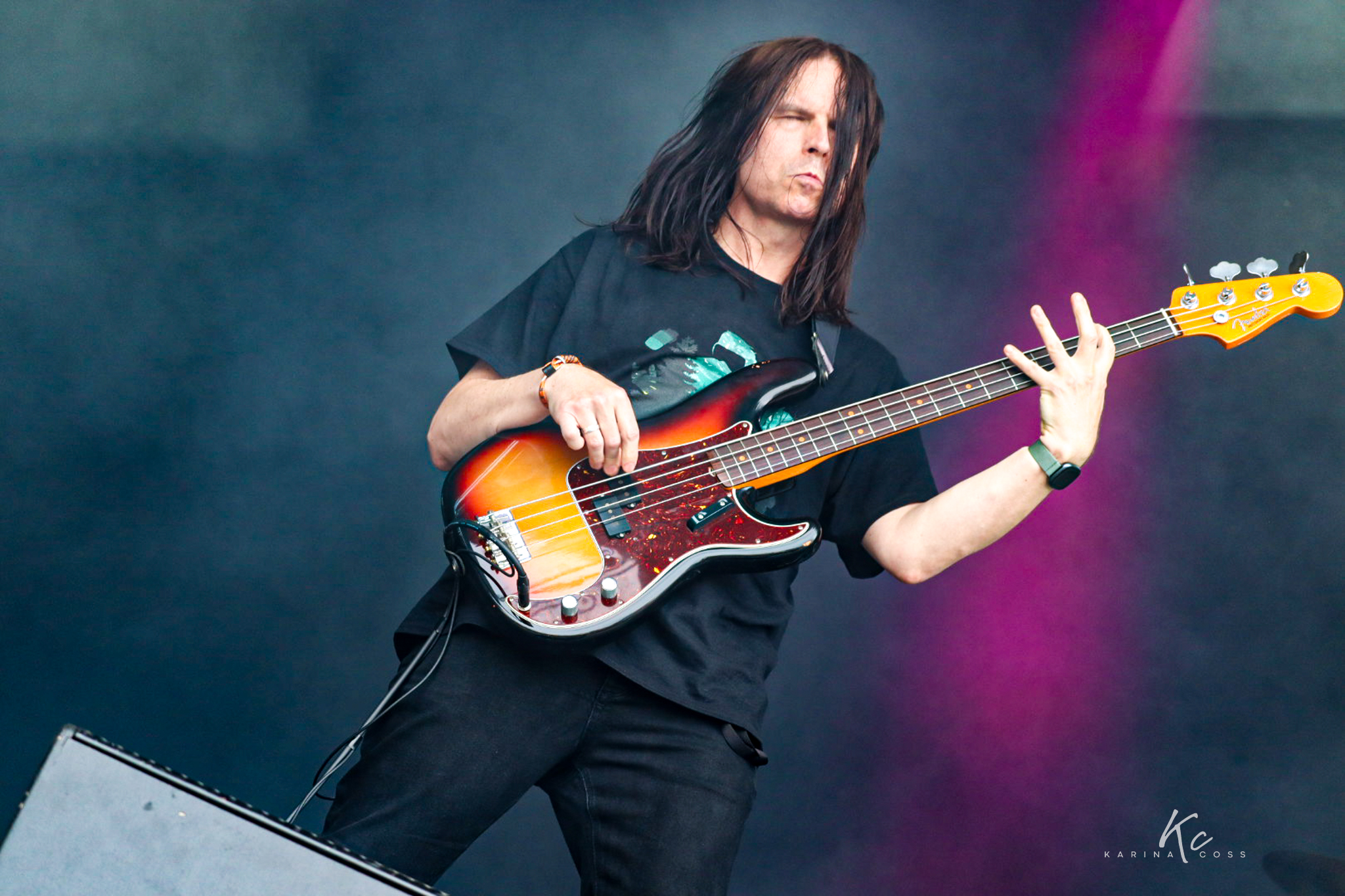
I missed Slift. The French band were presenting material from their new album Fantasía, and I can’t offer a fair assessment of the show, though the applause I could hear from a distance suggests they met expectations.
Next came Kælan Mikla. I’ve seen this Icelandic trio, almost by accident, more than a dozen times. I’m genuinely drawn to them and to the role each member plays within the band. There’s something deeply cathartic about letting out whatever you’ve been holding in your chest while layers of electronics, ethereal vocals, and the ever-present bass build an emotional landscape that’s hard to put into words.
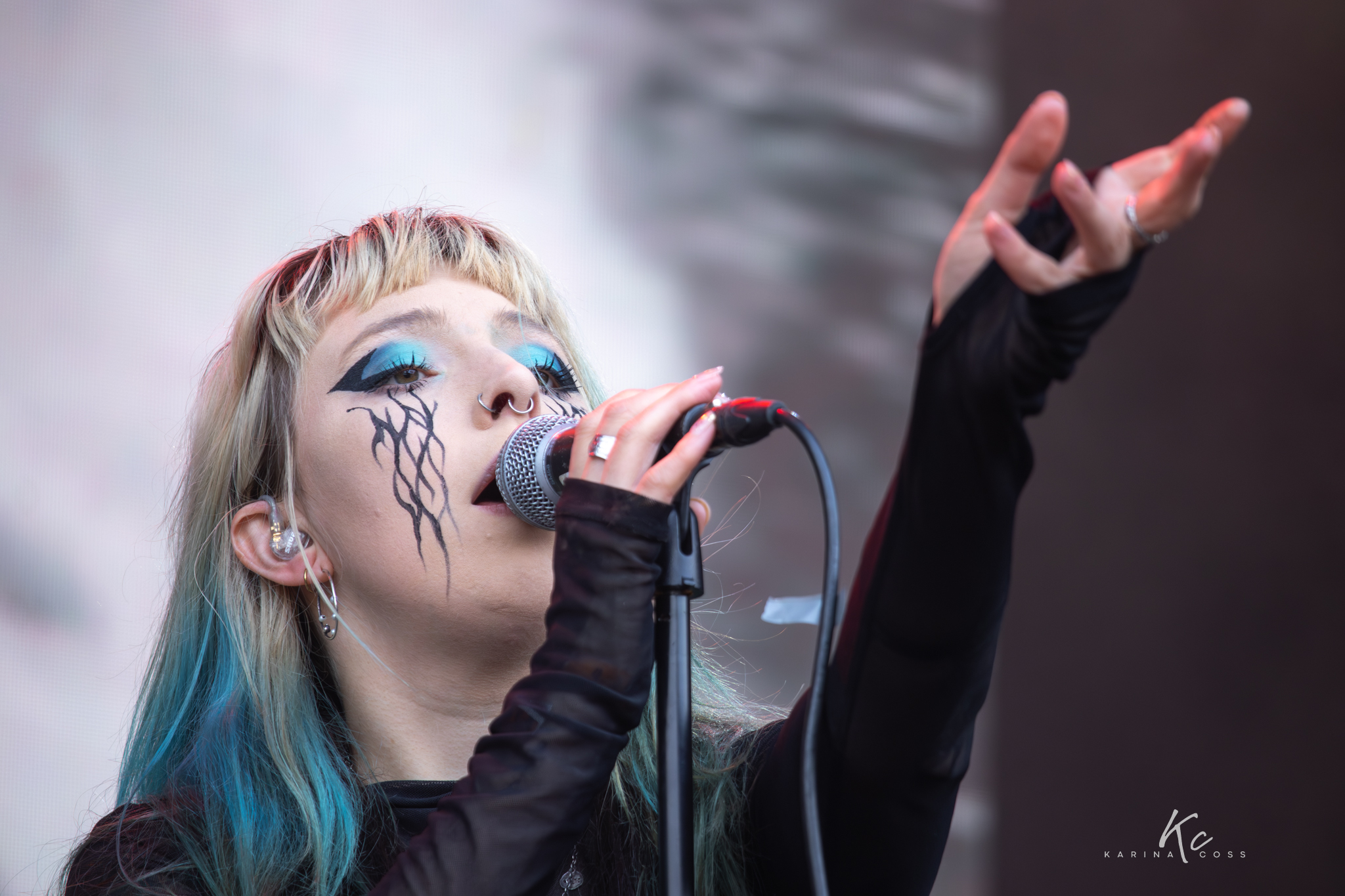
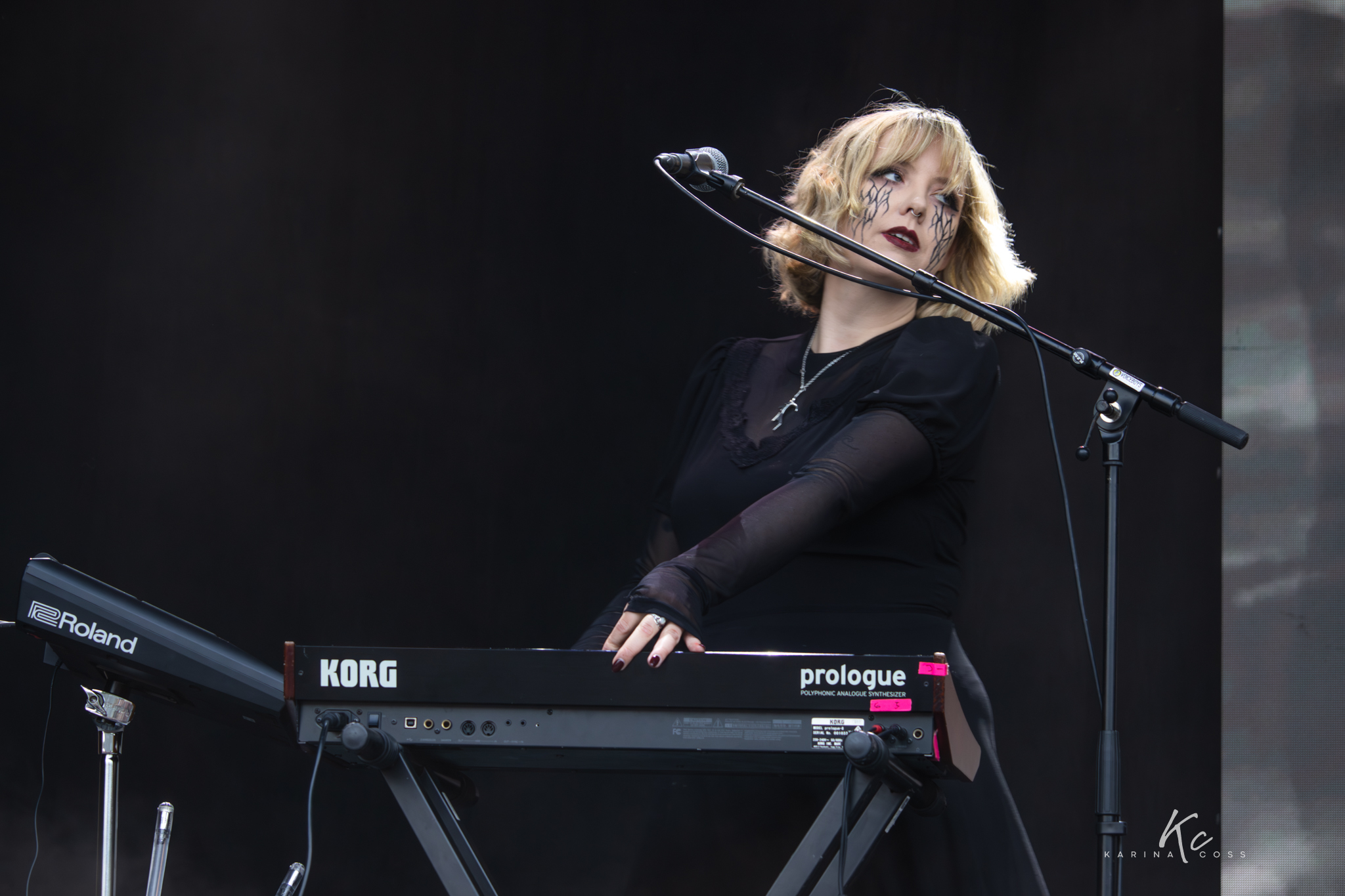
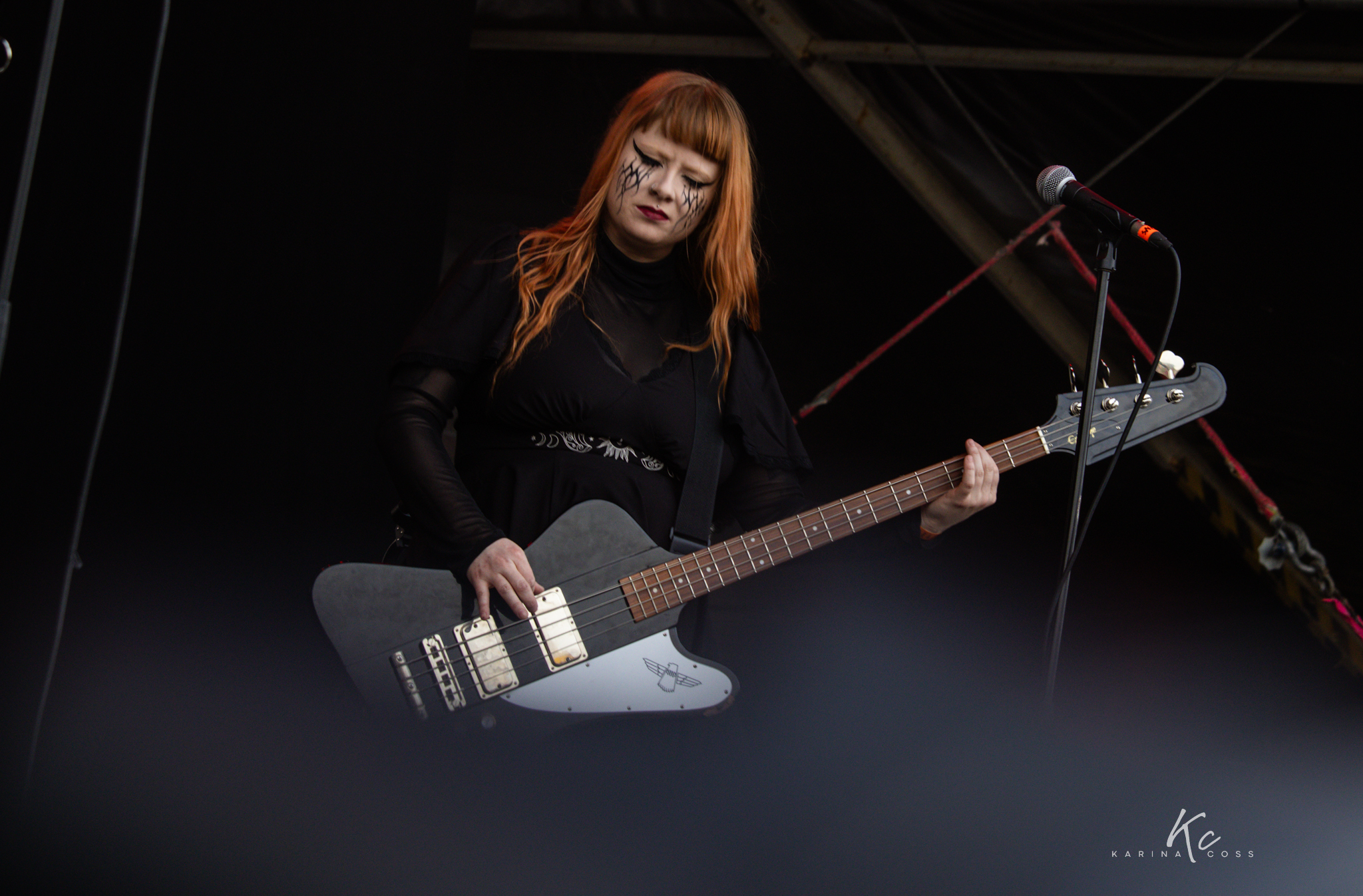
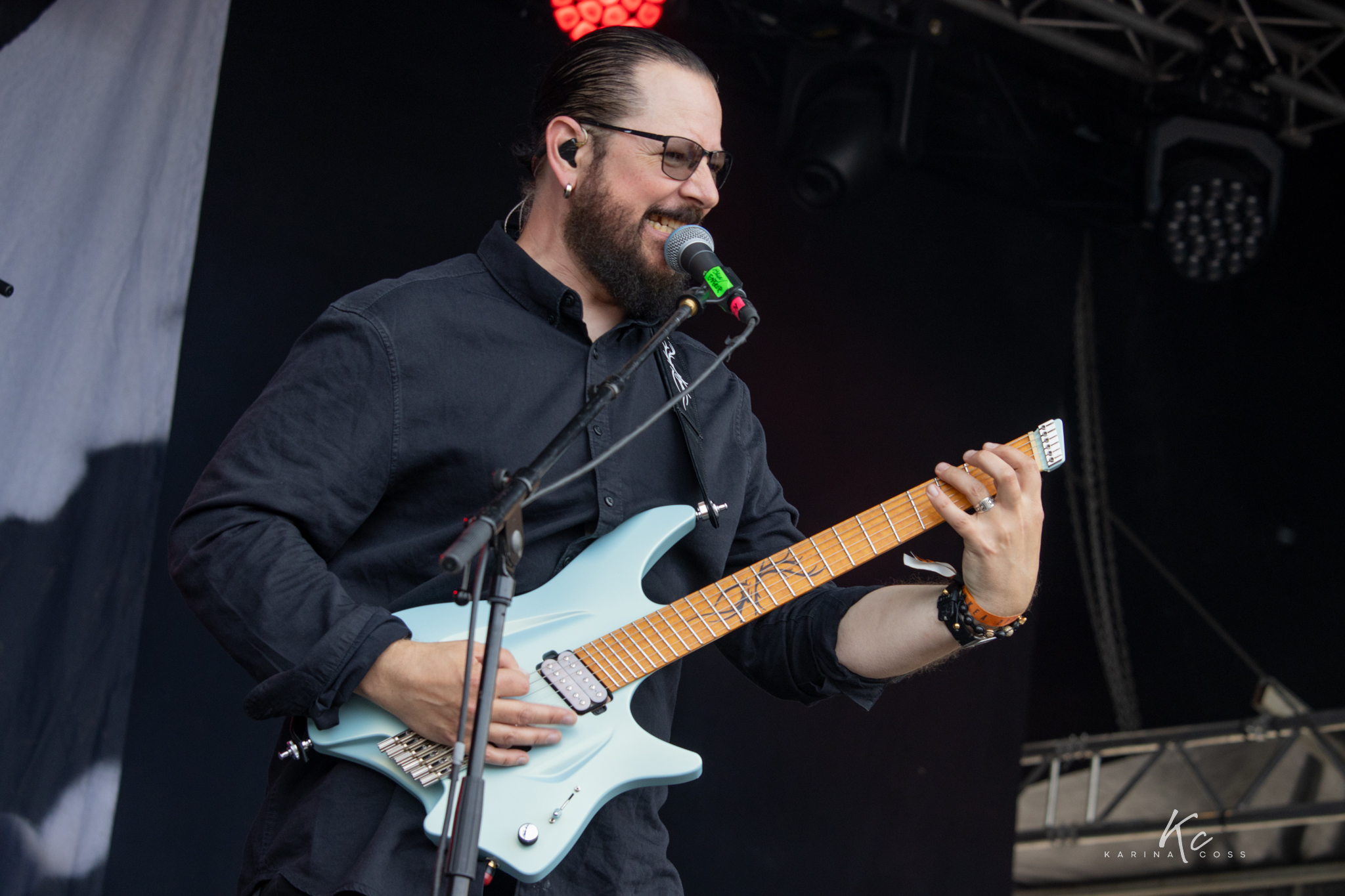
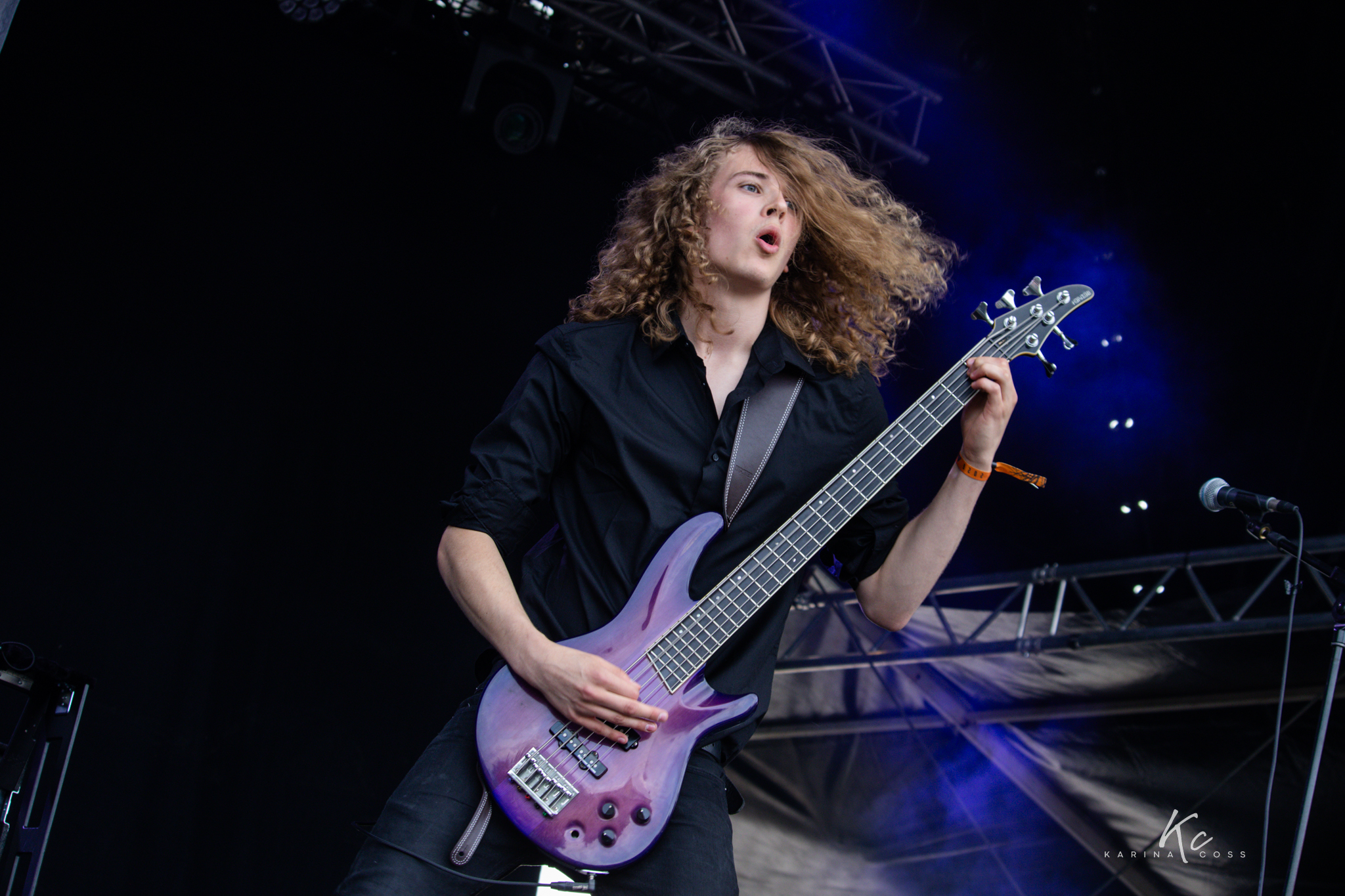
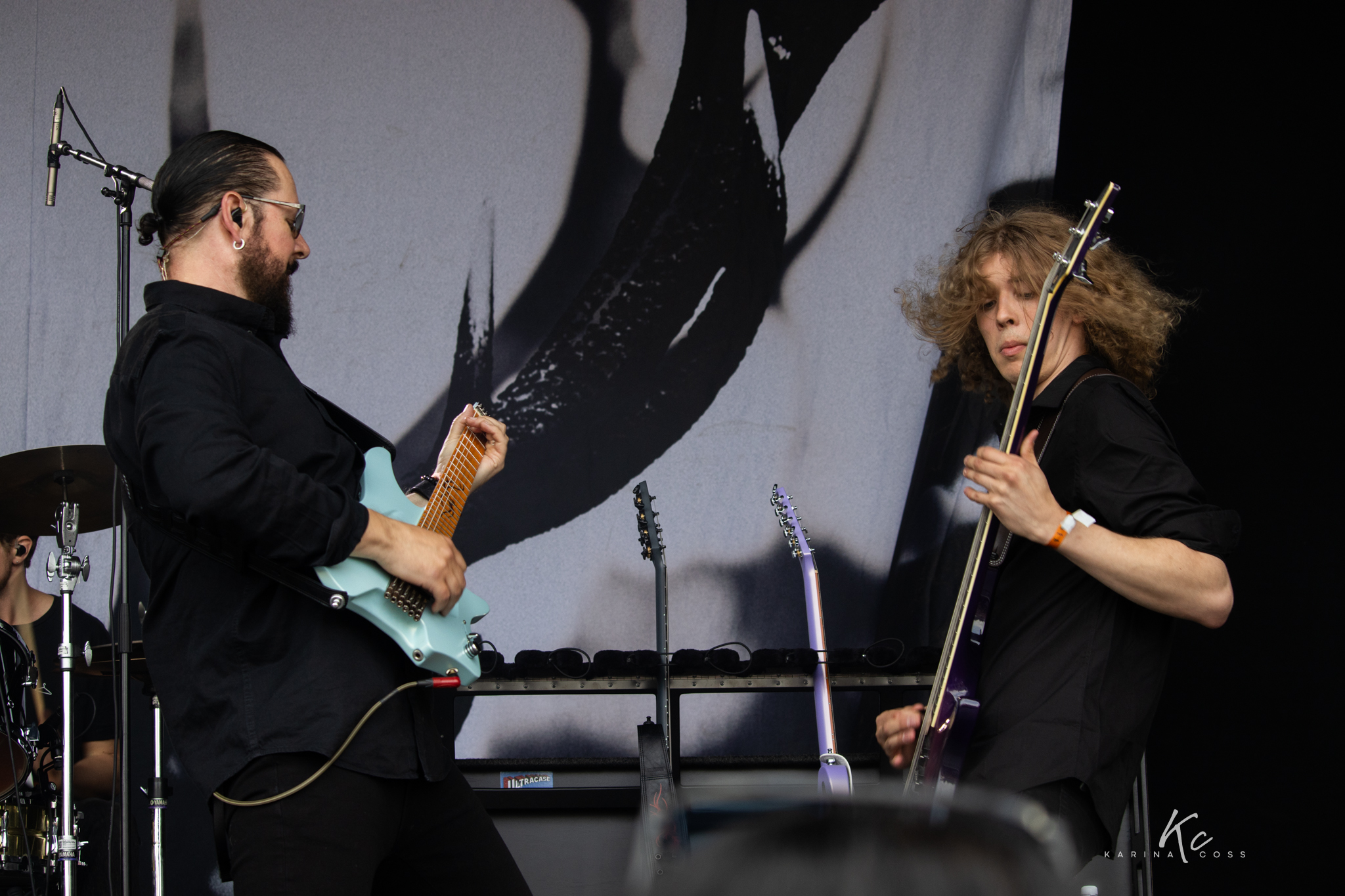
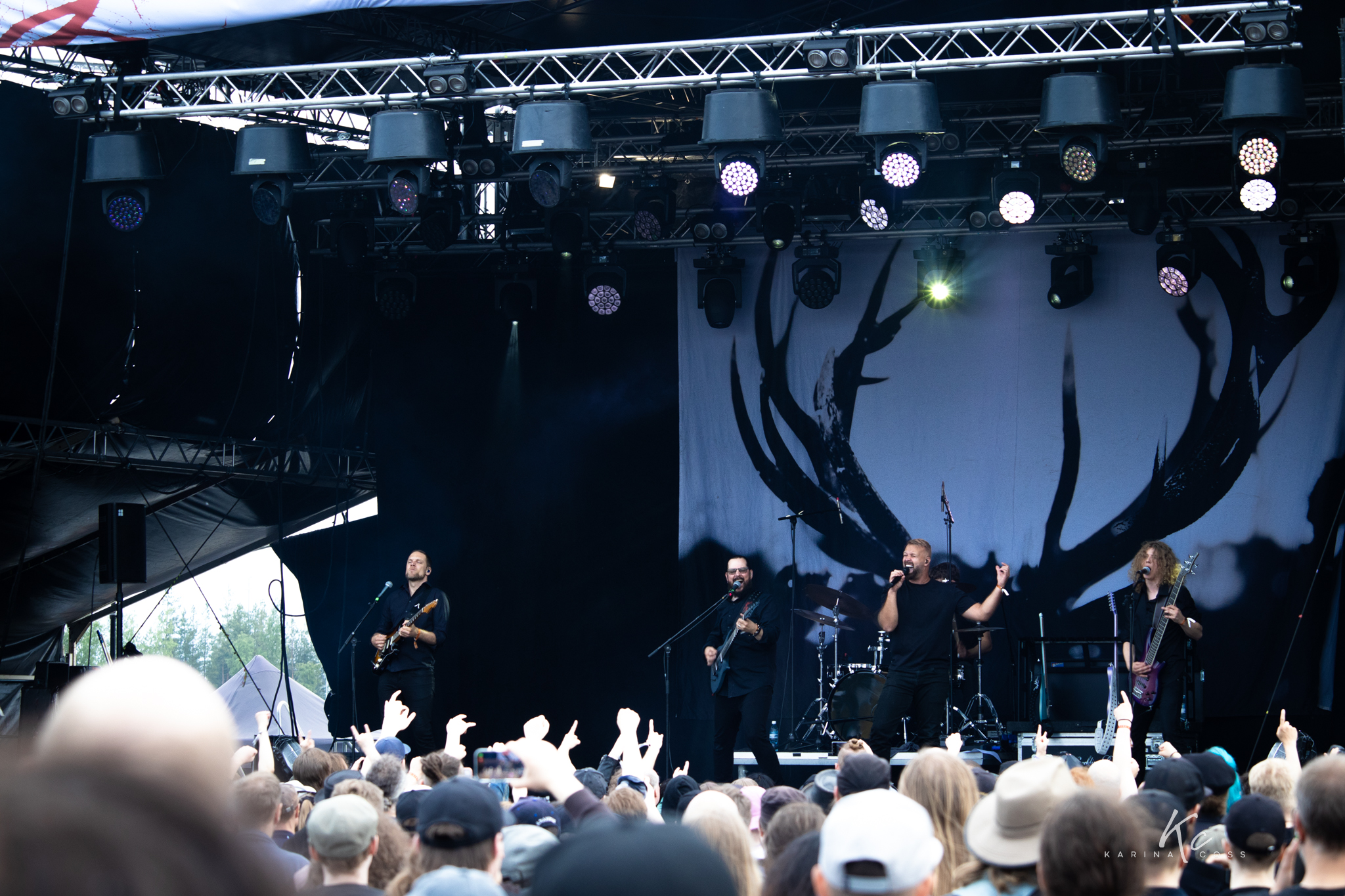
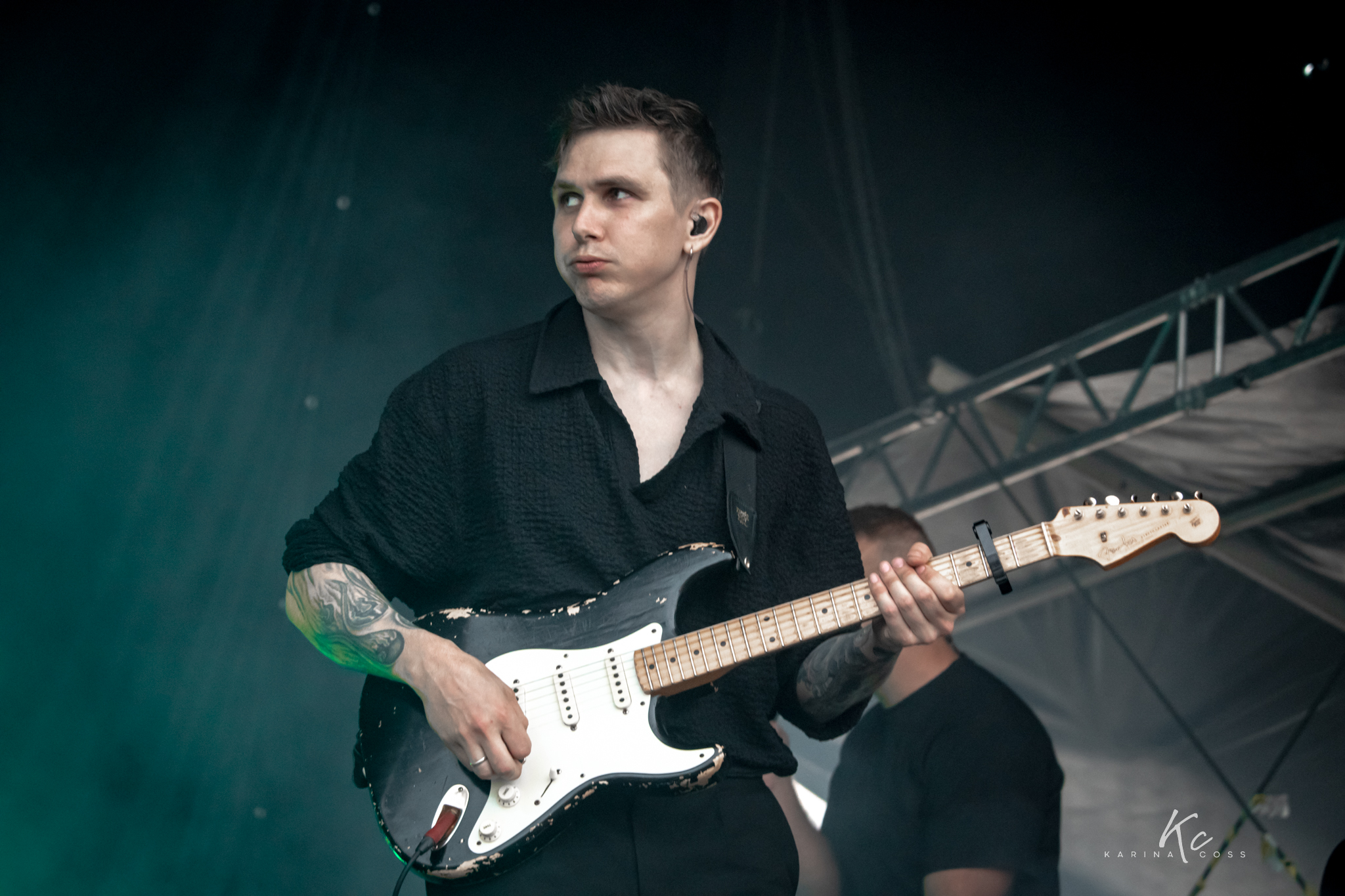
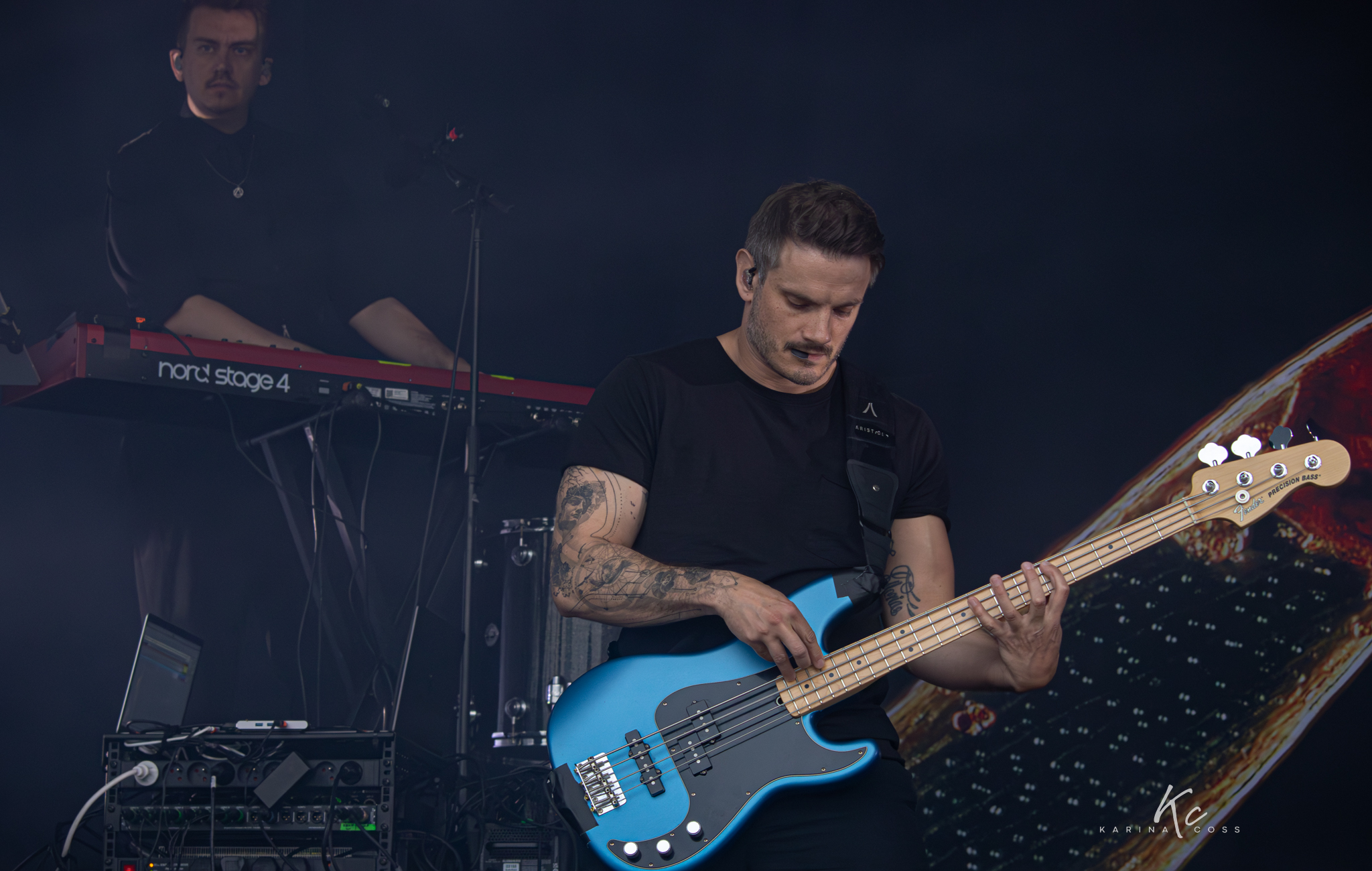
As the day moved toward its final stretch, Ihsahn took the stage. The black metal master in his more progressive guise delivered one of the most anticipated sets of the festival. It also marked the moment when I noticed the first small crack in what had otherwise felt like suspiciously flawless organisation. Because when everything runs too smoothly, there’s always a part of me that assumes something will eventually go wrong. A very Ankea thought.
And yes, what went wrong was the sound.
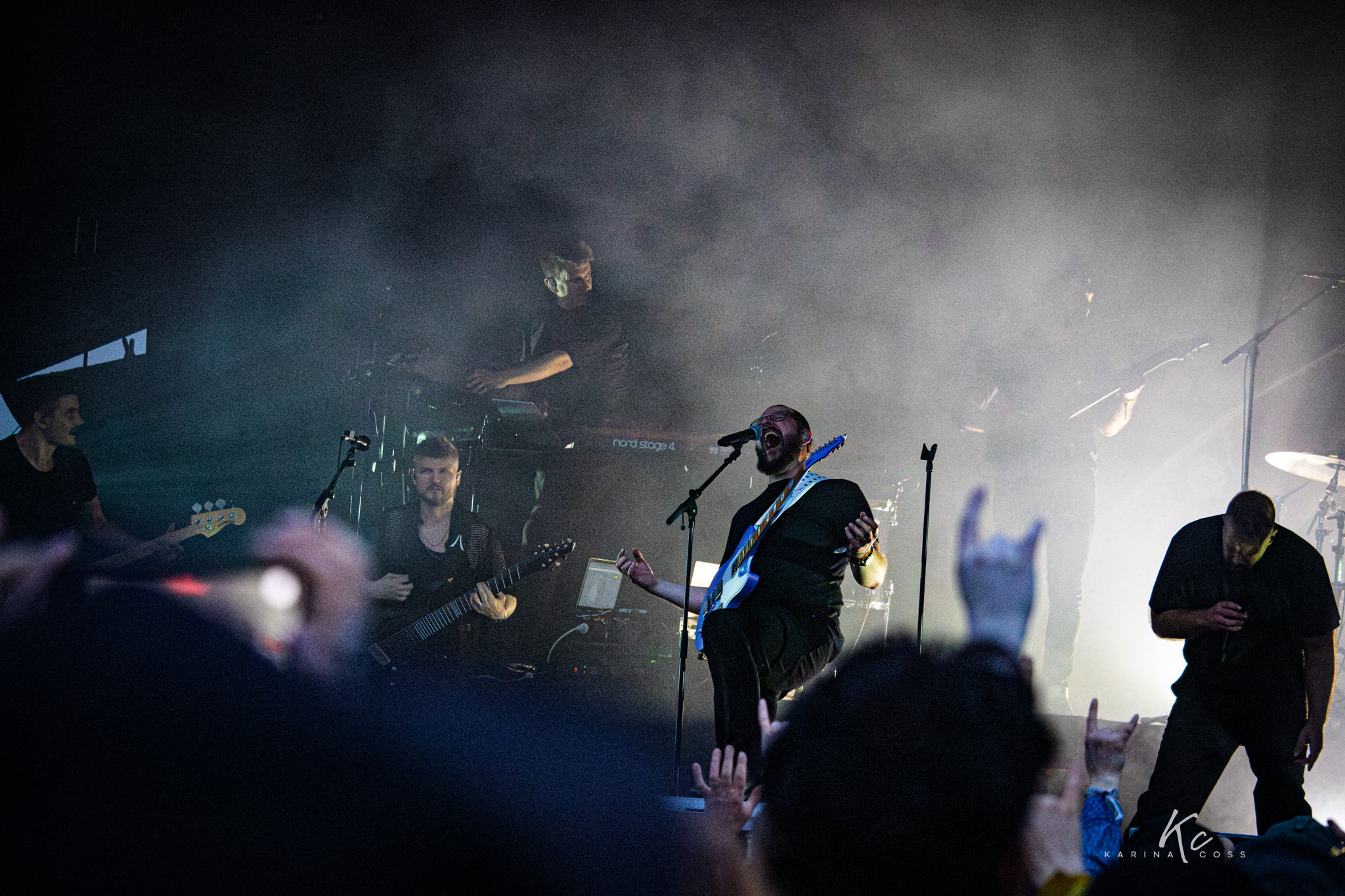
Some technical issues affected parts of the set, although they were quickly forgiven the moment Einar Solberg appeared on stage to perform “Celestial Violence” alongside Ihsahn.
The chemistry between them was undeniable. The sense of family on stage became even more evident when it turned out that the young blond bassist playing with Ihsahn was his own son. There was something genuinely touching about watching them share that space.
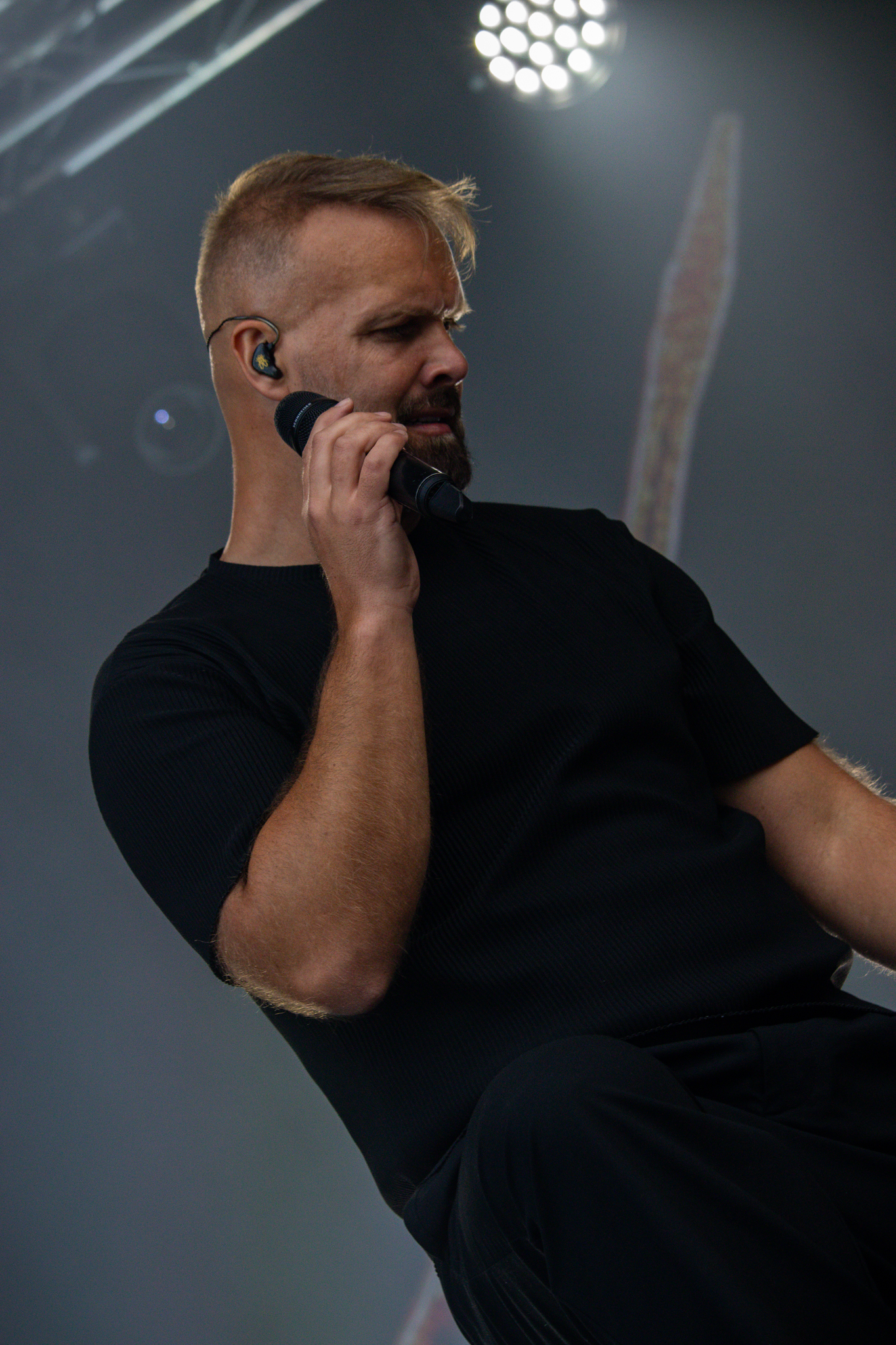
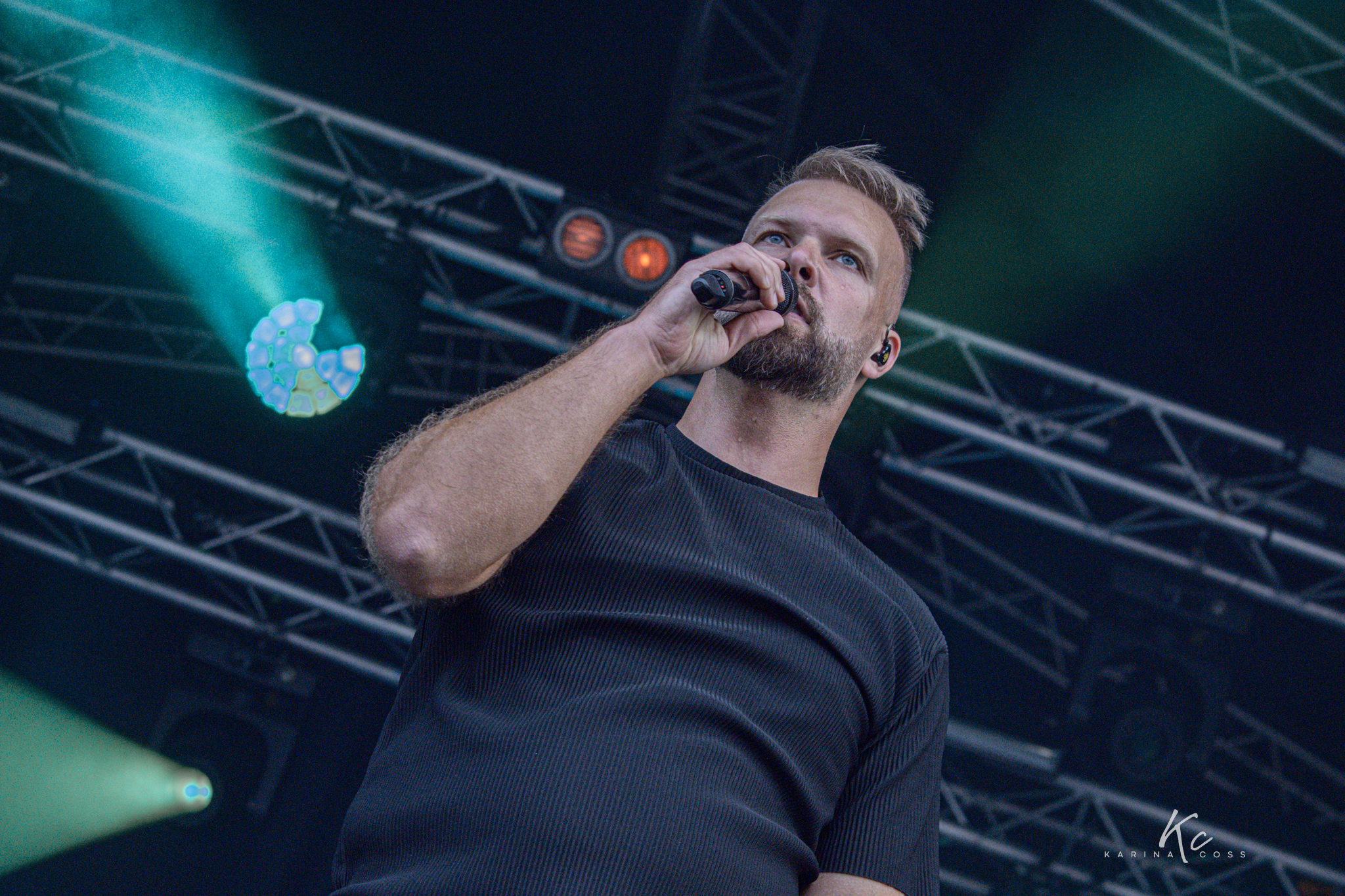
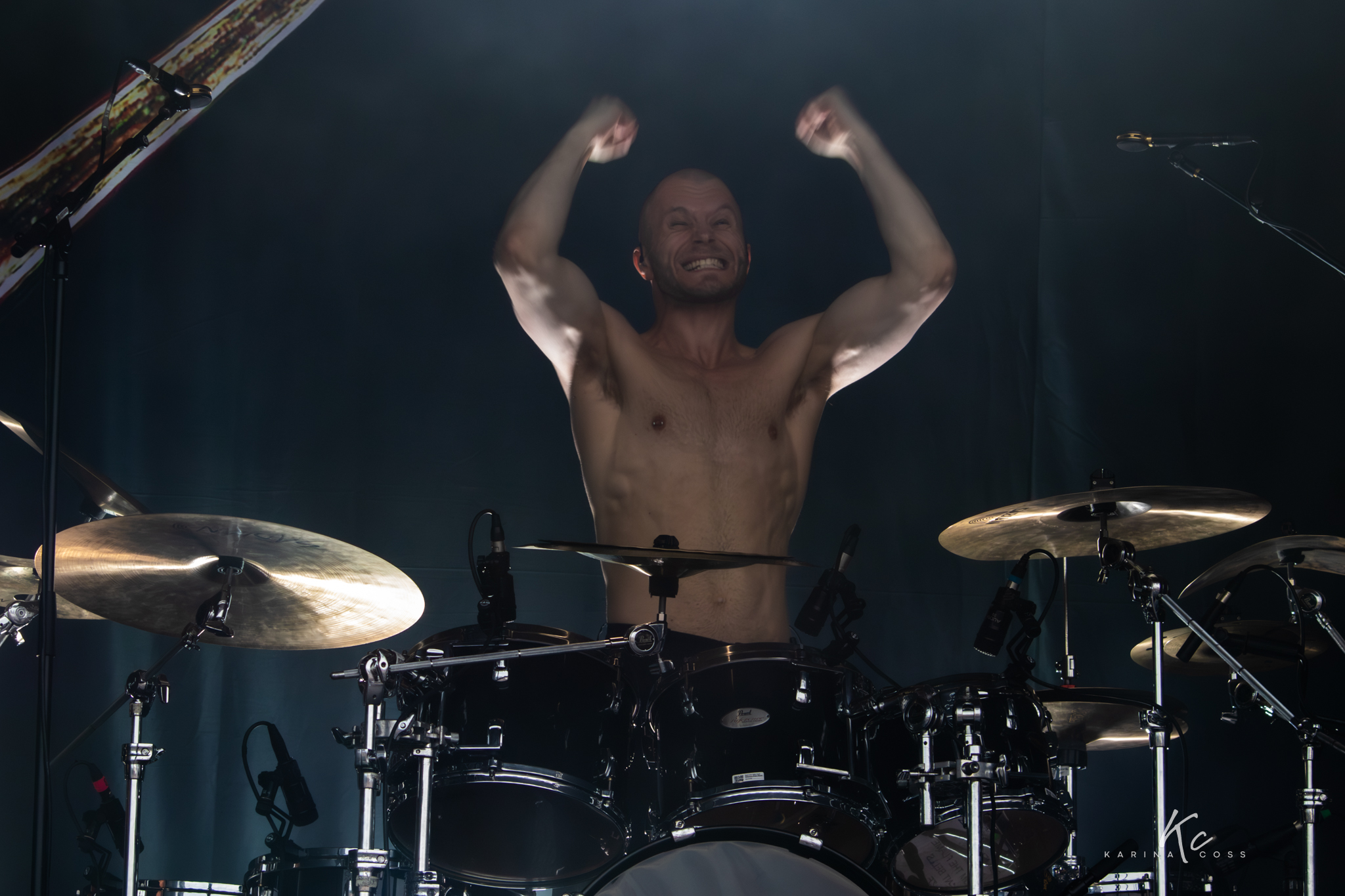
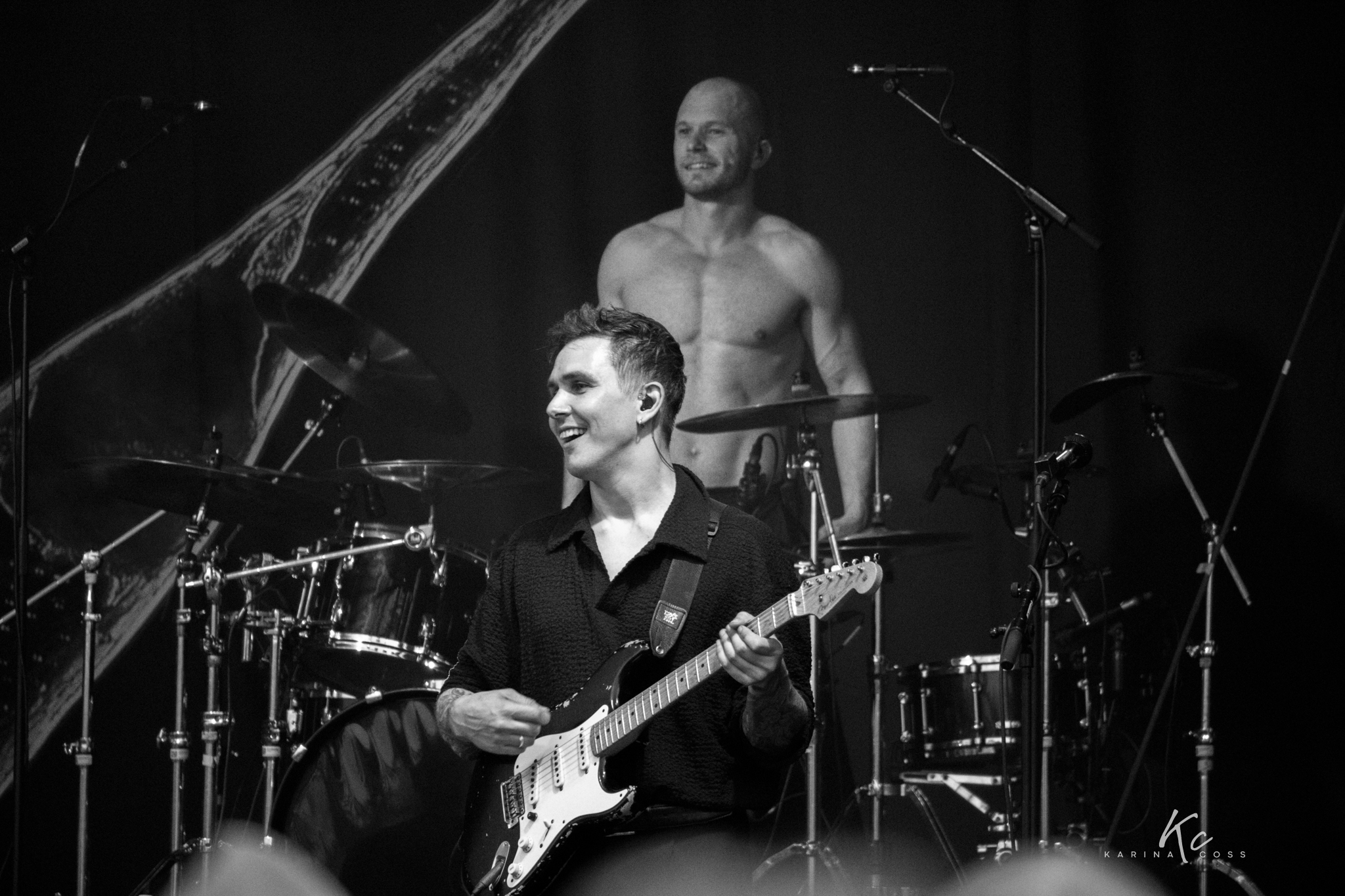
Shortly after, it was time for Leprous. By then, a large portion of the crowd had gathered in front of the main stage. And here I have to thank the Finnish audience for a habit that should be exported everywhere: not spending the entire concert with phones held up in the air.
I enjoyed that set far more than I expected.
I was already familiar with Leprous’ reputation as one of the leading names in contemporary progressive music. Still, I had always suspected there was a certain pretentiousness behind the praise.
I was wrong. If pretentiousness sounds like that live, then I have no problem with it.
Their brilliant frontman, Einar Solberg, got a laugh when he joked about Finland’s reputation as the happiest country in the world, wondering whether that was something truly visible or more of an internal state of mind. He asked for more collective emotion and even challenged the crowd to behave like a Latin American audience for a few minutes.
But Einar, you’re in Finland. You’re at Ankea. And I can confirm the crowd was enjoying every second in the most Finnish way possible.
Leprous closed their set joined once again by Ihsahn for “Contaminate Me”, which triggered one of the most enthusiastic reactions of the entire day.
There were no real complaints about the set length or the setlist. And if I have one, it’s only that I haven’t been able to get “The Price” out of my head since then.
OK, there may have been some complaints on the other side of the venue, where small signs of impatience began to appear at the Factory Stage.
A group of fans was waiting for This Will Destroy You, whose set was slightly delayed while Leprous finished winning over the crowd on the opposite side of the site.
Once the set finally began, however, any lingering frustration quickly faded.
Or rather, it shifted into that particular kind of contemplative expression that instrumental music tends to evoke when it lands exactly where it should.
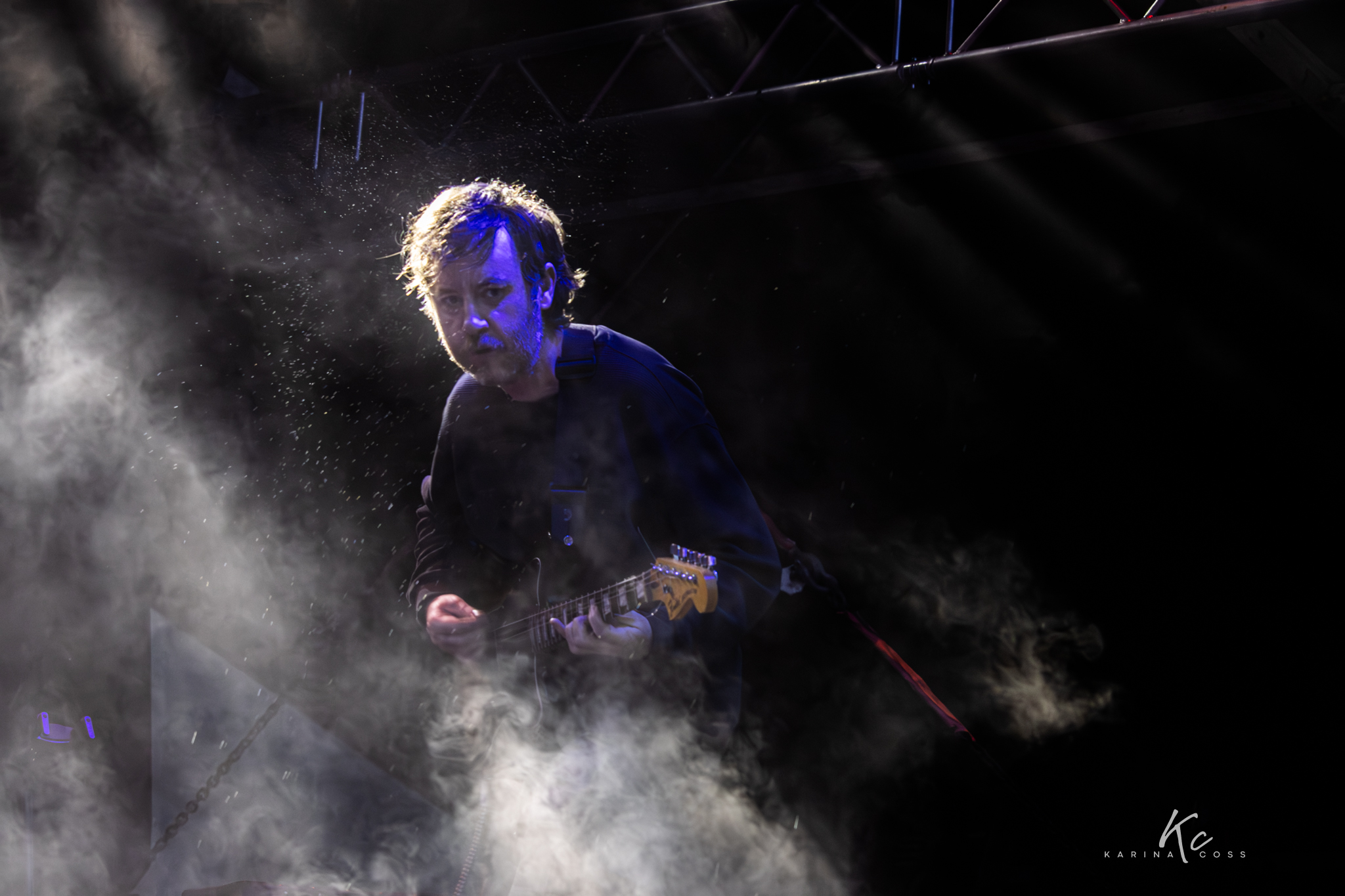
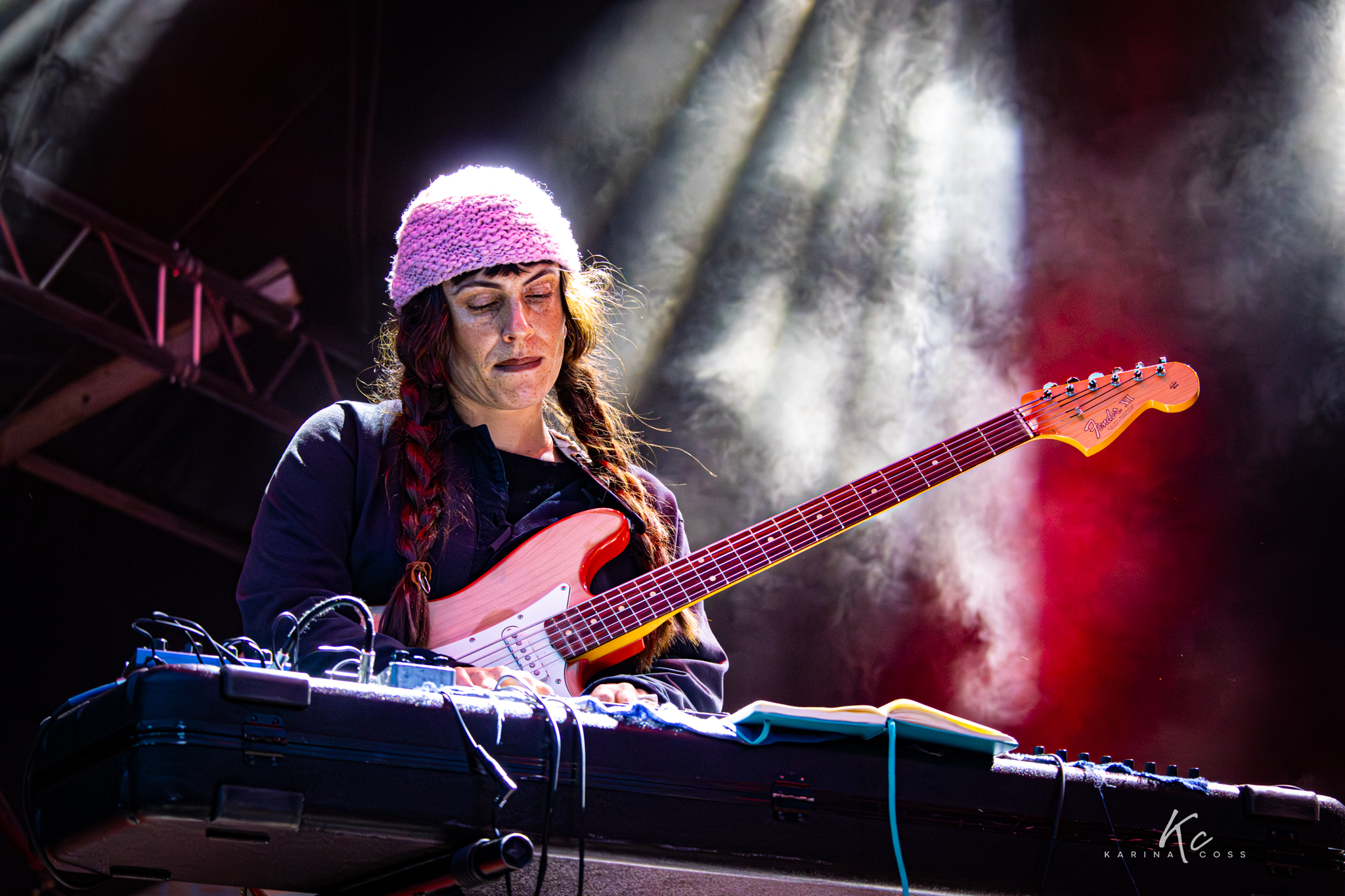
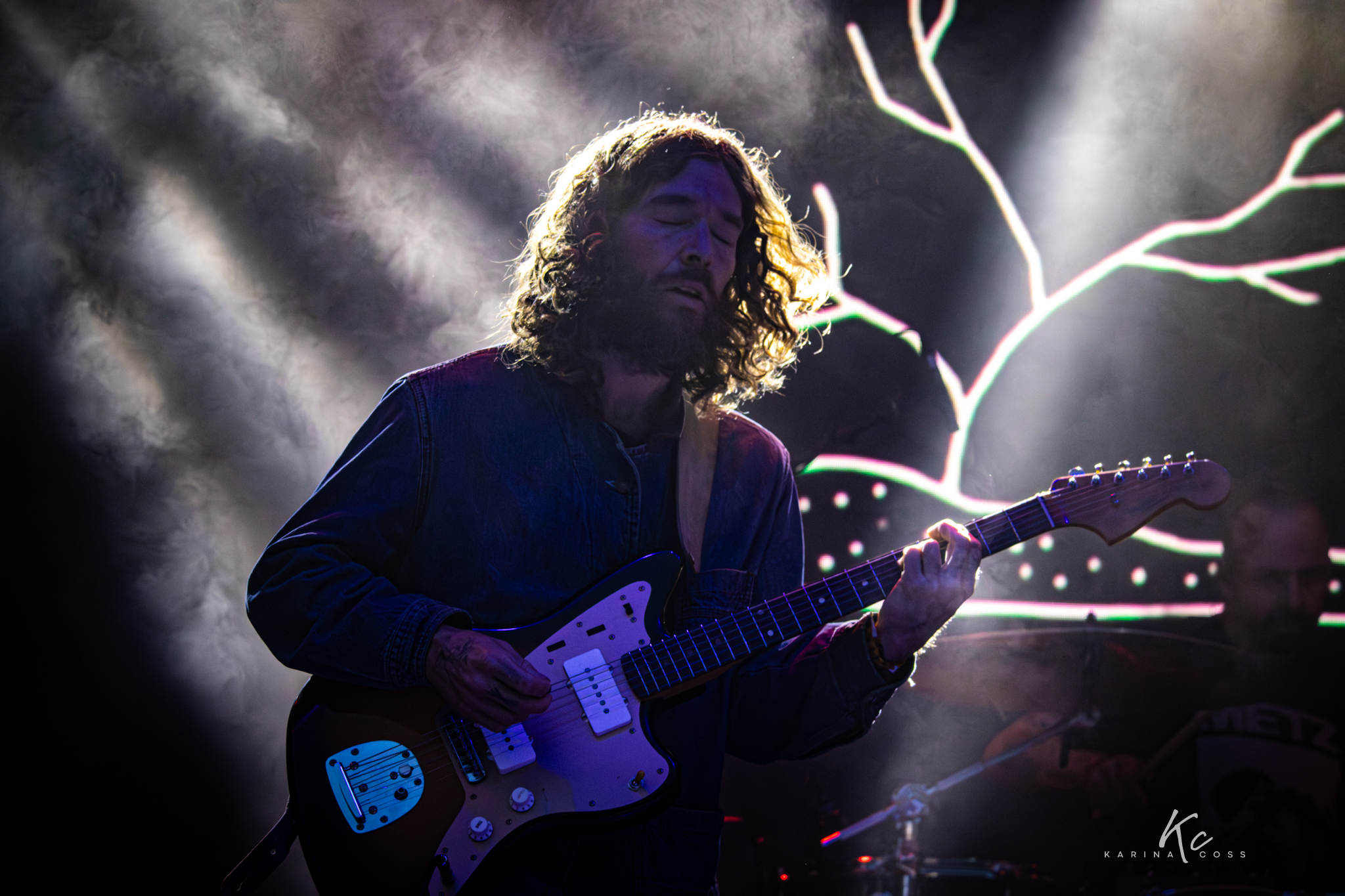
Led by Chris King, the band delivered a clear demonstration of what makes this current incarnation so compelling. Their history is unusual: the original founders eventually split due to creative differences, and today two versions of This Will Destroy You tour simultaneously.
King’s lineup leans toward something deeply organic. No backing tracks. No unnecessary embellishment. Just musicians performing with precision and sensitivity, delivering instrumental pieces that communicate far more than they ever need to say.
A pleasure for both ears and spirit.
And an extremely intelligent way to close the night.
After the emotional intensity of Leprous, This Will Destroy You gradually guided the audience into a state of calm that, without necessarily realising it, everyone seemed to need before facing the second day of the festival.
 Henki Press