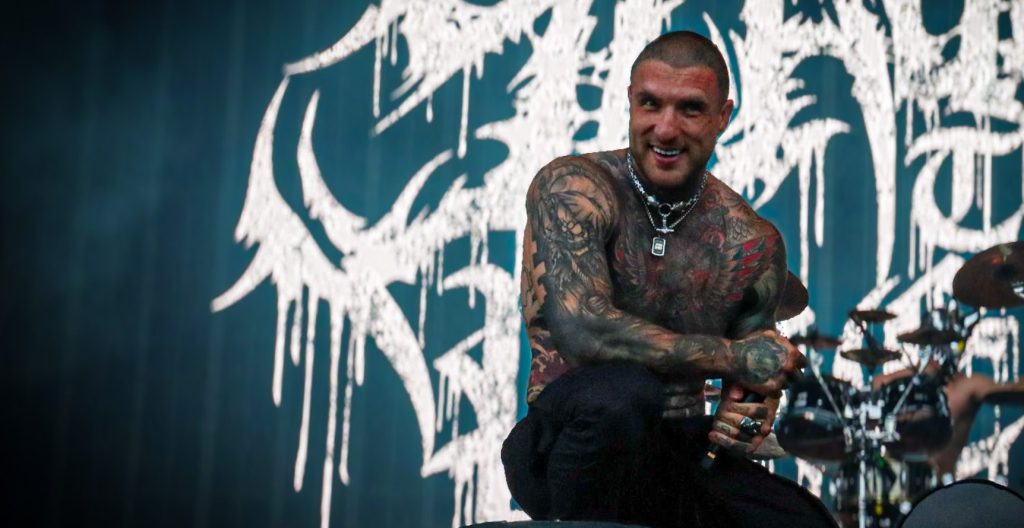
Day 2 of Tuska 2025 began from an uncommon vantage point — high above the Karhu Main Stage, looking out over a sea of people gathering to see one of Finland’s beloved metal acts: Timo Rautiainen & Trio Niskalaukaus.
Thanks to a special invitation from the organizers for accredited media, we got a behind-the-scenes tour of the Suvilahti grounds — uncovering the logistical, technical, and human elements that make this festival possible.
After the tour, we paused to choose our next stop. At that hour, the festival was split into two very different atmospheres. On one side, Charlotte Wessels offered an intimate and elegant performance at the Radio City Stage — minimalist in staging but emotionally charged.
Accompanied by a low-key band and an unpretentious setup, she captivated those seeking a moment of calm and personal connection, performing songs from her solo career with the blend of vulnerability and strength that defines her artistry.
Meanwhile, most of the crowd had surged toward the Nordic Energy Stage, where Wind Rose were turning the grounds into a full-on musical battleground. We tried to get closer, but the sea of people was impenetrable, so we climbed a distant stairway to catch the show from above. Even from there, the power of their performance hit hard — epic choruses, thunderous riffs, and theatrical energy that turned each song into a triumphant march.

After that epic avalanche, we made our way to see Mokoma, a band that holds a special place in my heart. They were one of the first groups I ever heard singing metal in Finnish, and I’ve seen them as a true institution of the genre ever since. Seeing them live at Tuska felt like closing a personal circle. Their stage presence was electric — razor-sharp riffs and undeniable chemistry. At the center was Marko Annala, with his unmistakable mane and that fierce joy that makes him magnetic. A brilliant show: tight, passionate, and deeply Finnish to its core.

Next came my first big decision of the day — a déjà vu from Friday. Back then, I had to choose between Imminence and Tarja, missing a rare festival appearance from Tarja Turunen herself. I followed my heart and chose Imminence — no regrets. This time, the dilemma was between two favorites: Jiluka and Cemetery Skyline. Though I had just seen Cemetery Skyline two weeks earlier, I leaned toward them again — for both personal and practical reasons. As an accredited photographer, I knew Jiluka required pre-approval for any published material, a restriction I didn’t want to navigate. So I chose freedom, familiarity, and emotional connection — and I wasn’t wrong.
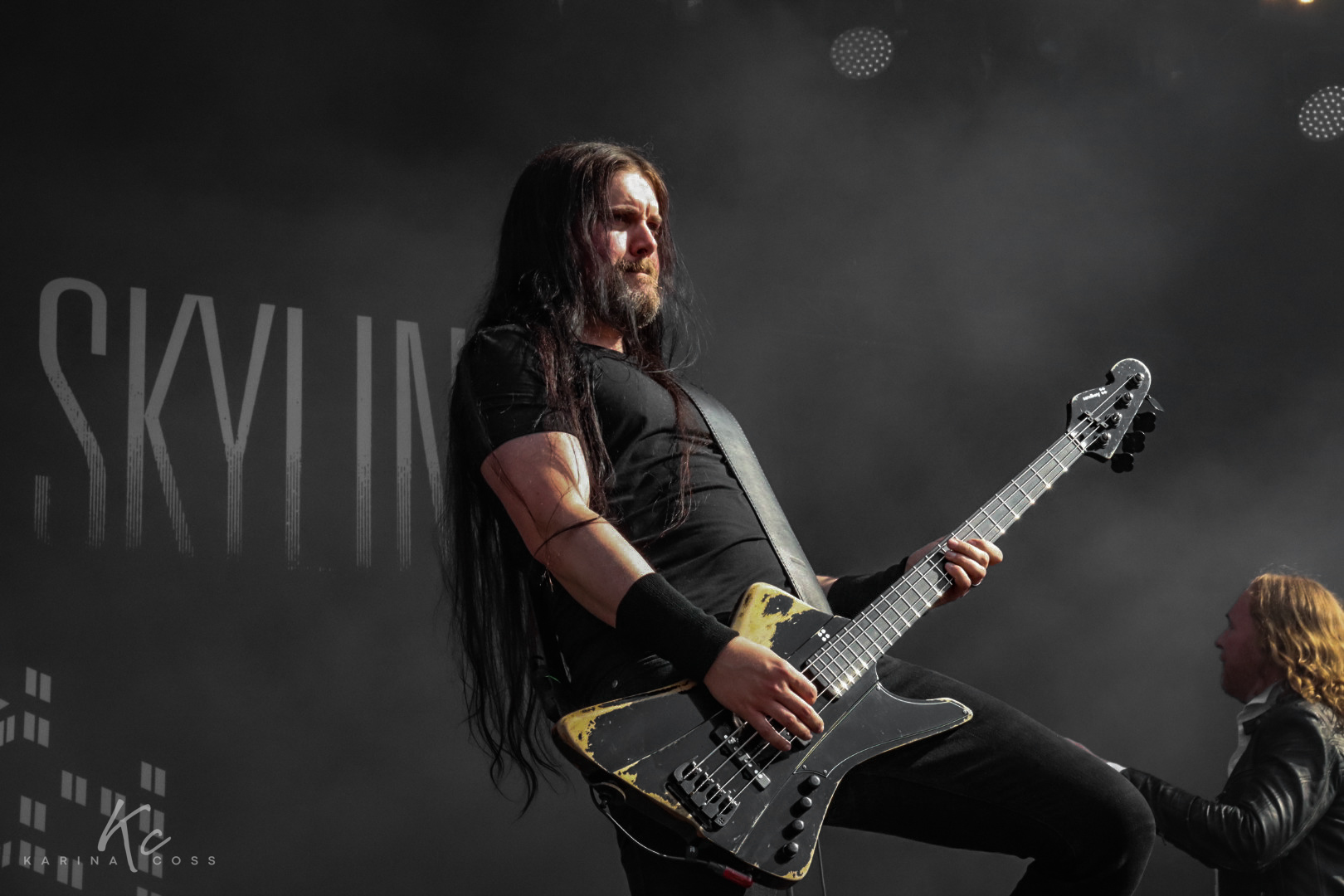
Of all the bands fronted by Mikael Stanne — and there are many, given his prolific role in modern melodic metal — Cemetery Skyline holds a unique place for me. Despite having a Swedish frontman, the band’s DNA is deeply Finnish, made up of members from iconic Finnish acts, with a sound that blends melancholy, elegance, and emotional weight in a way that only seems possible here.
Seeing them live at Tuska reaffirmed that connection. And Mikael wasn’t done — just a couple of hours later, he was back on the same stage with The Halo Effect, showing no signs of fatigue. His energy and professionalism across all his projects are truly admirable.



But before we get to The Halo Effect, let’s pause to highlight three standout performances from the day.
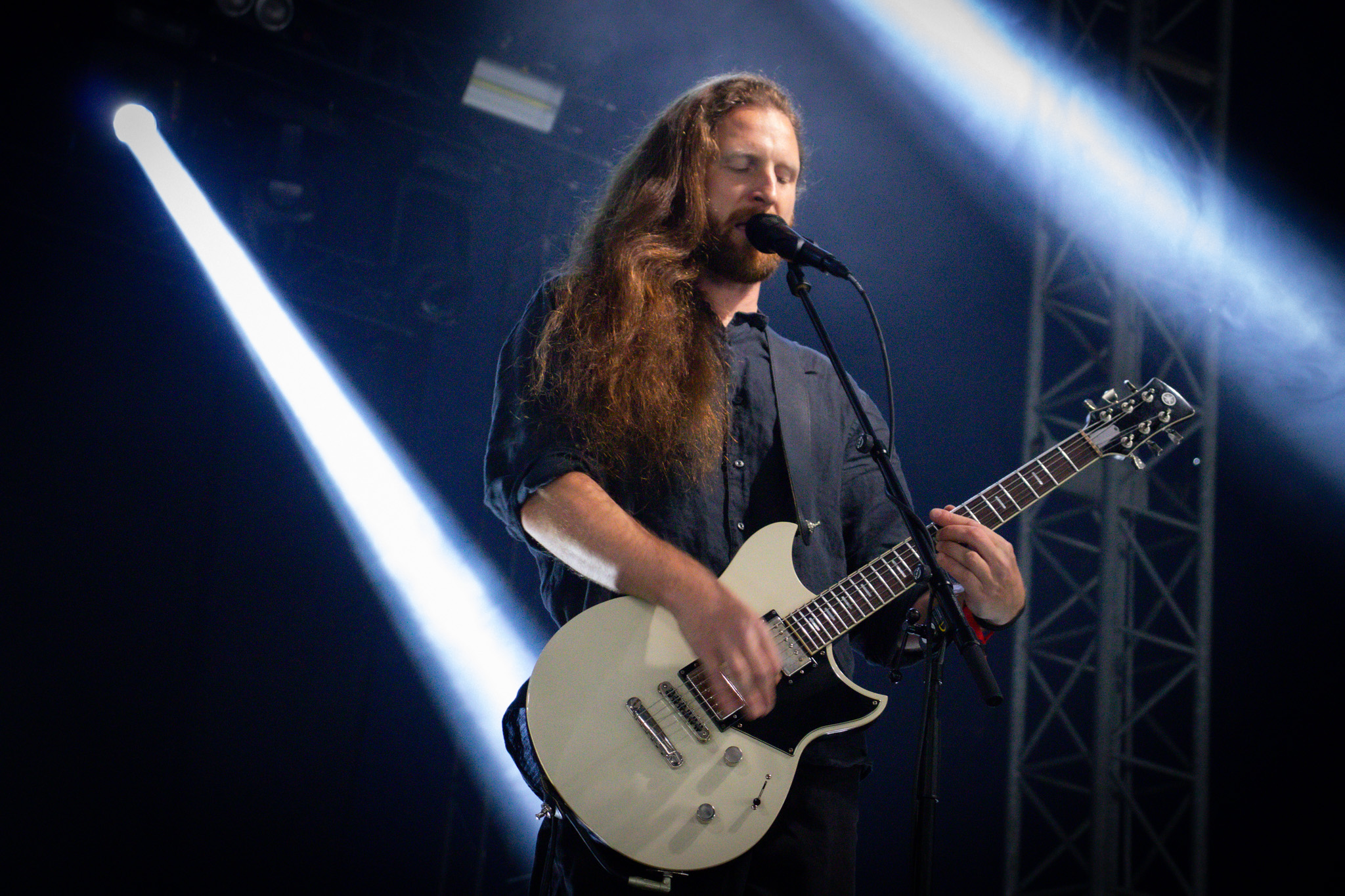
One of them was Orbit Culture — another Swedish band — who delivered a blast of modern metal with melodic undertones that ignited the crowd from the very first riff. With a raw, powerful sound stripped of unnecessary frills, they showed exactly why they’re one of the most promising rising bands in the European metal scene.

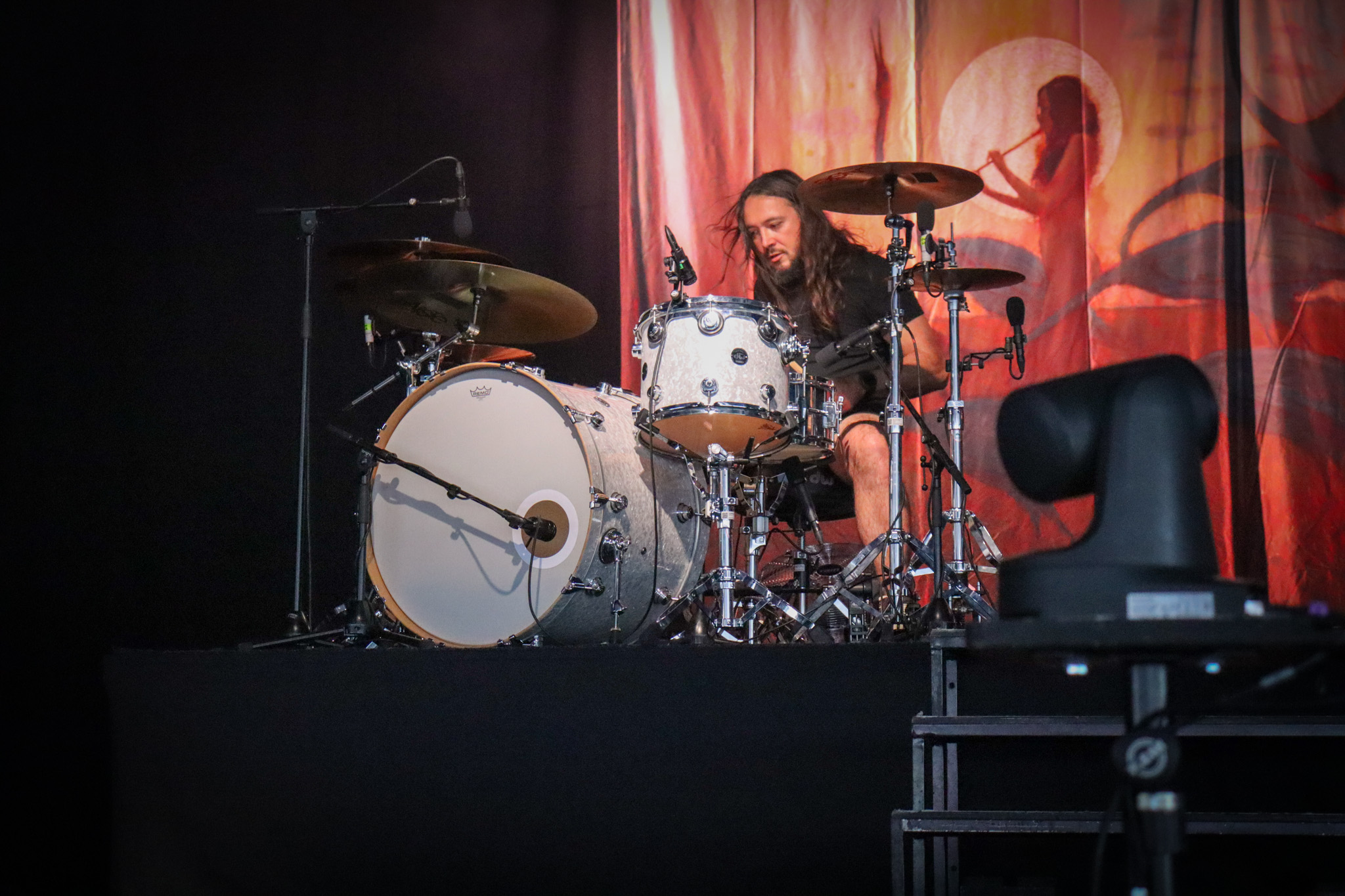
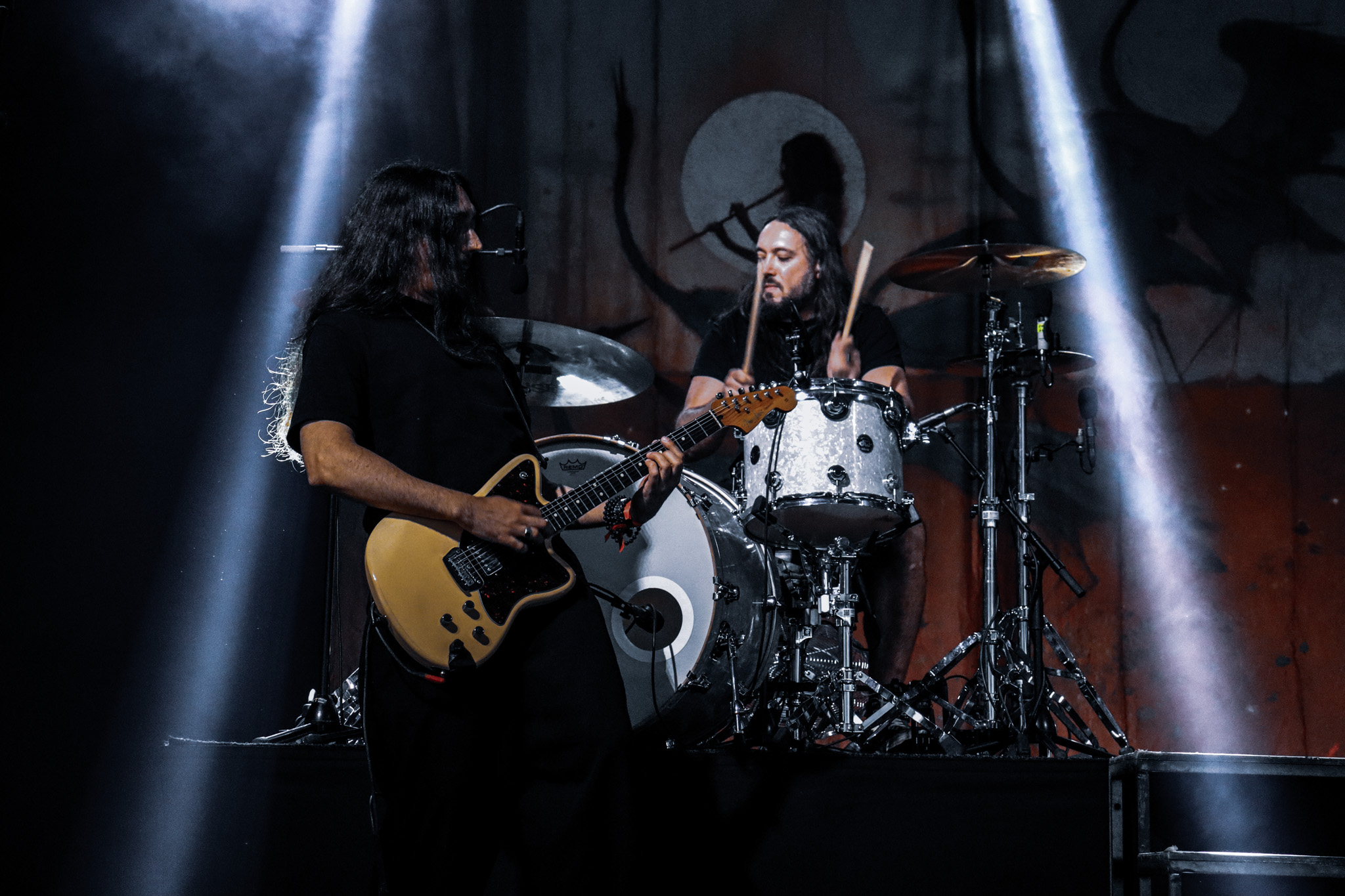
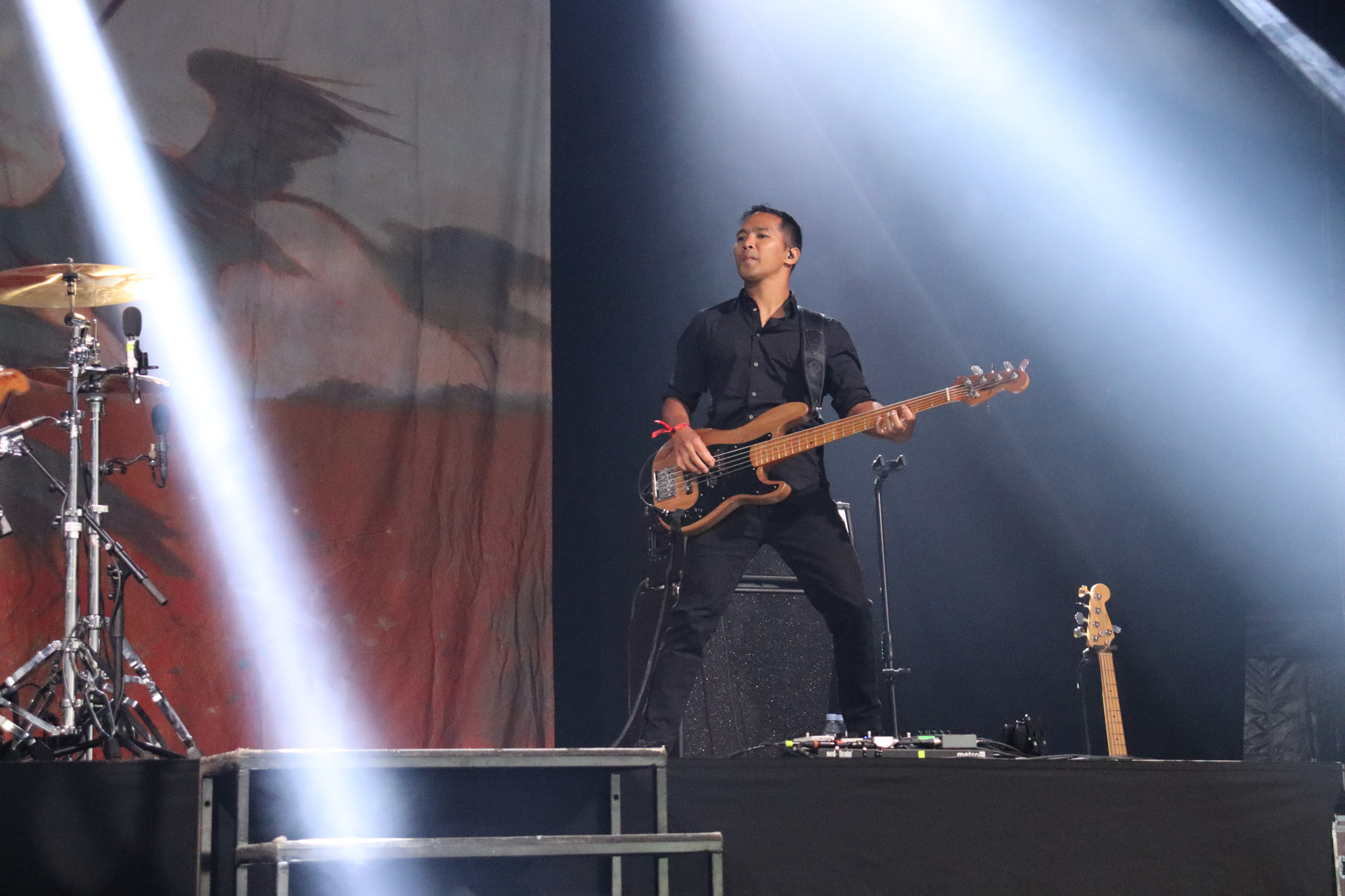
In stark contrast, Alcest delivered one of the most beautiful and immersive sets of the day. Their performance was a masterclass in emotional subtlety and strength. They’re not about spectacle in the traditional sense, but about crafting a unique atmosphere — almost ritualistic — that alters space and distorts time. Neige and company proved once again that their blend of shoegaze, black metal, and post-rock isn’t a formula — it’s an emotional experience that transcends genre. Amid all the energy and chaos that define Tuska, Alcest were a hypnotic sanctuary.







Before we get to two of Saturday’s most anticipated acts — on a day that brought 20,000 people to Suvilahti — one more name deserves recognition: Thrown. Their show, though simple in production, was brutally effective — direct, aggressive, and cathartic. As soon as the first notes dropped, mosh pits erupted like violent pulses, as if they struck a raw nerve. It was a short but explosive performance, perfect for those seeking pure release through controlled chaos.


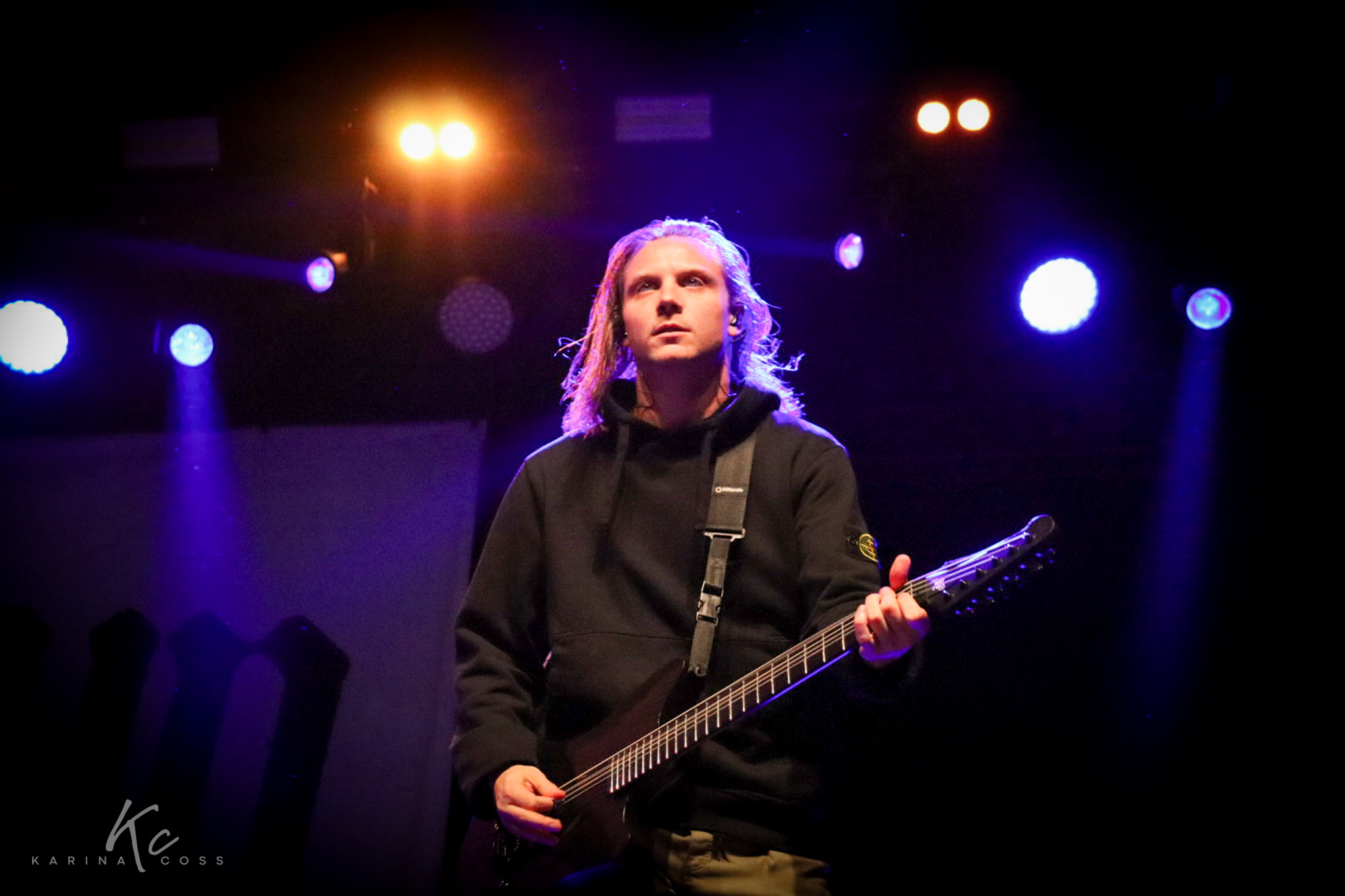

The Halo Effect closed the Nordic Energy Stage, following none other than Insomnium, whose show was eagerly awaited by many. I, on the other hand, took that opportunity to grab dinner, breathe, and recharge. In a festival this intense, you have to know when to slow down.
Mikael Stanne’s return to the stage just hours after Cemetery Skyline confirmed his boundless charisma and unwavering dedication. Backed by ex-In Flames members, The Halo Effect delivered a powerful set, executed with precision. The crowd responded with fervor, singing along as if the songs were old anthems — a testament to how quickly this band has earned a place in the scene. The show blended nostalgia with freshness, proving that The Halo Effect is more than a supergroup — they’re a force with a clear identity and plenty to offer.


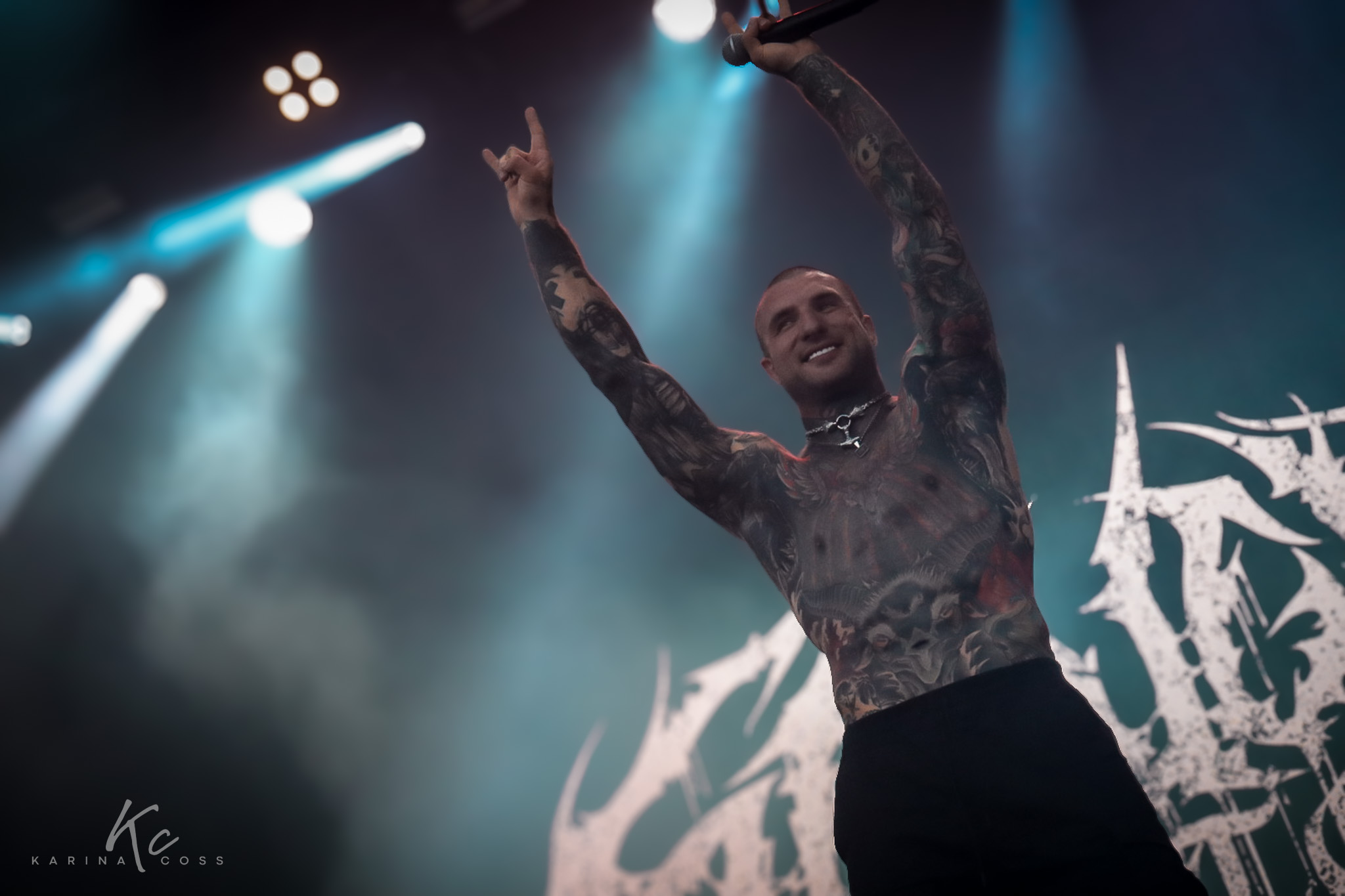
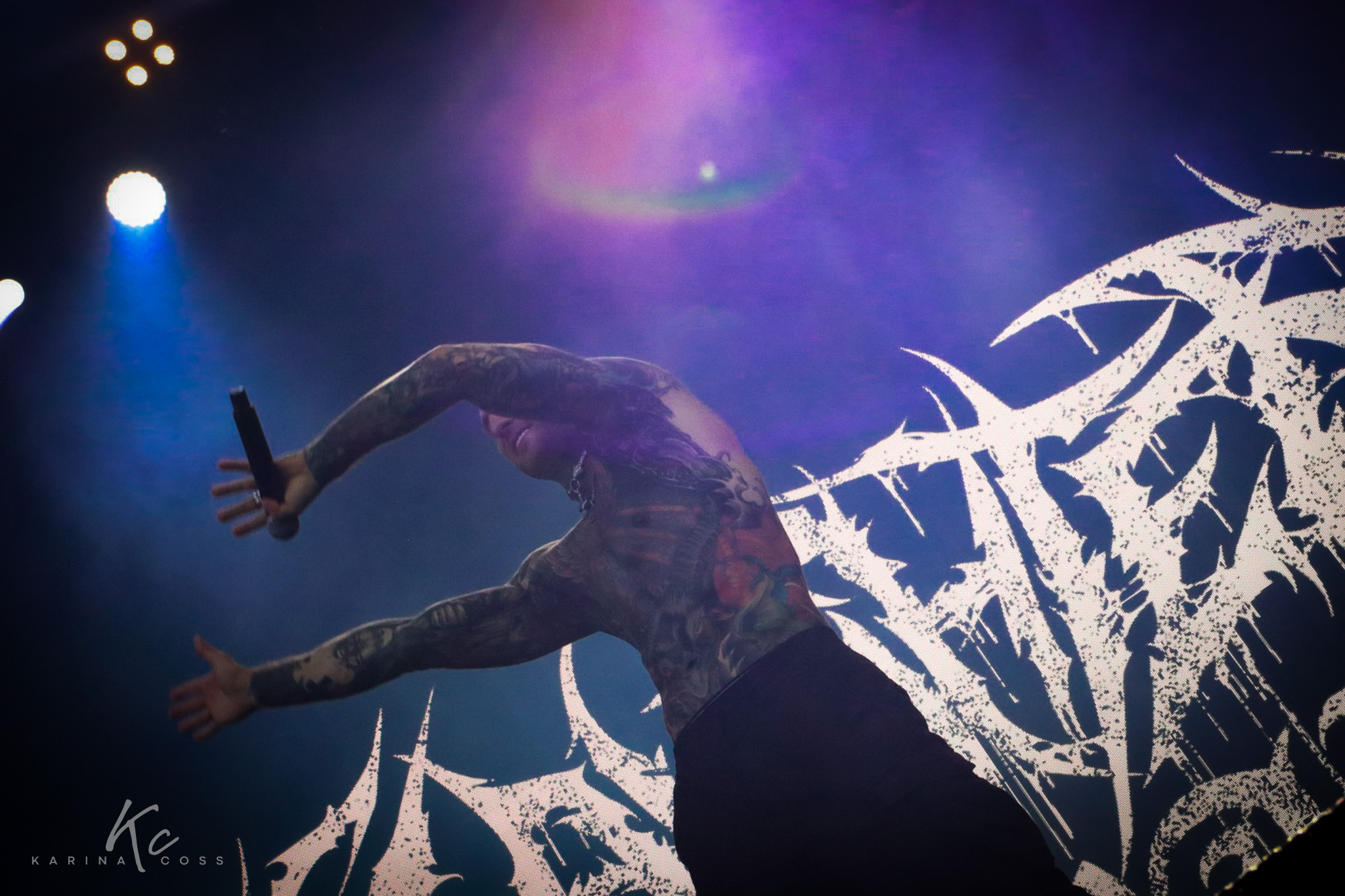
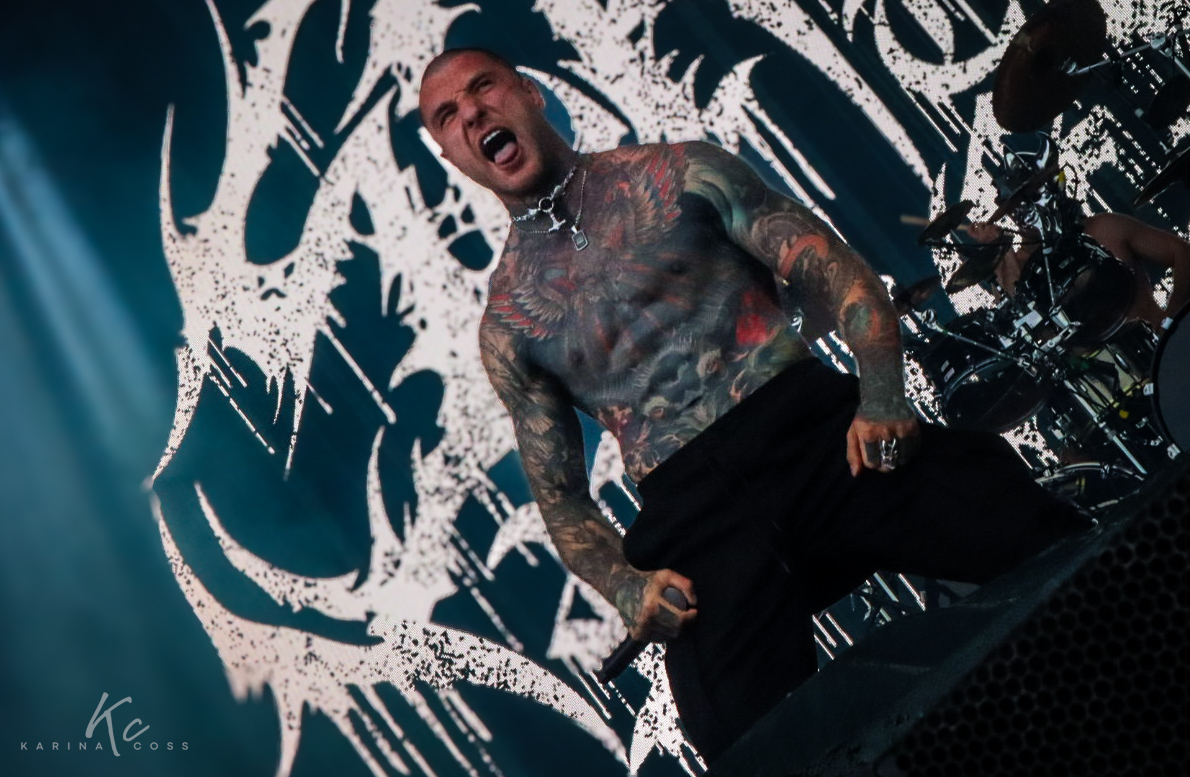
One more band I need to highlight played earlier in the day, but I saved them for now because of the sheer weight — both artistic and political — of their performance. Honestly, I’d call them Saturday’s true headliners: Slaughter to Prevail.
They took the stage in full force, clad in their iconic metallic masks and exuding overwhelming presence. The crowd wasn’t ready for what hit them: a brutal, dark, visceral performance where every breakdown felt like it could split the earth and every roar from Alex Terrible came like a primal scream.
Their frontman — known for both his commanding vocals and controversial persona — didn’t shy away from the political context surrounding the band. Some attendees openly expressed discomfort with their presence due to the ongoing war and the band’s Russian origin. Yet Tuska proved to be a space for free expression, where differing views could coexist and where difficult conversations could begin.
Between songs, Alex took the mic and said that we must take responsibility for our actions, look in the mirror, and work to fix what is broken in ourselves. That unexpectedly human moment stood in stark contrast to the sonic violence of the set and will remain one of the most intense — in every sense — moments of the night.




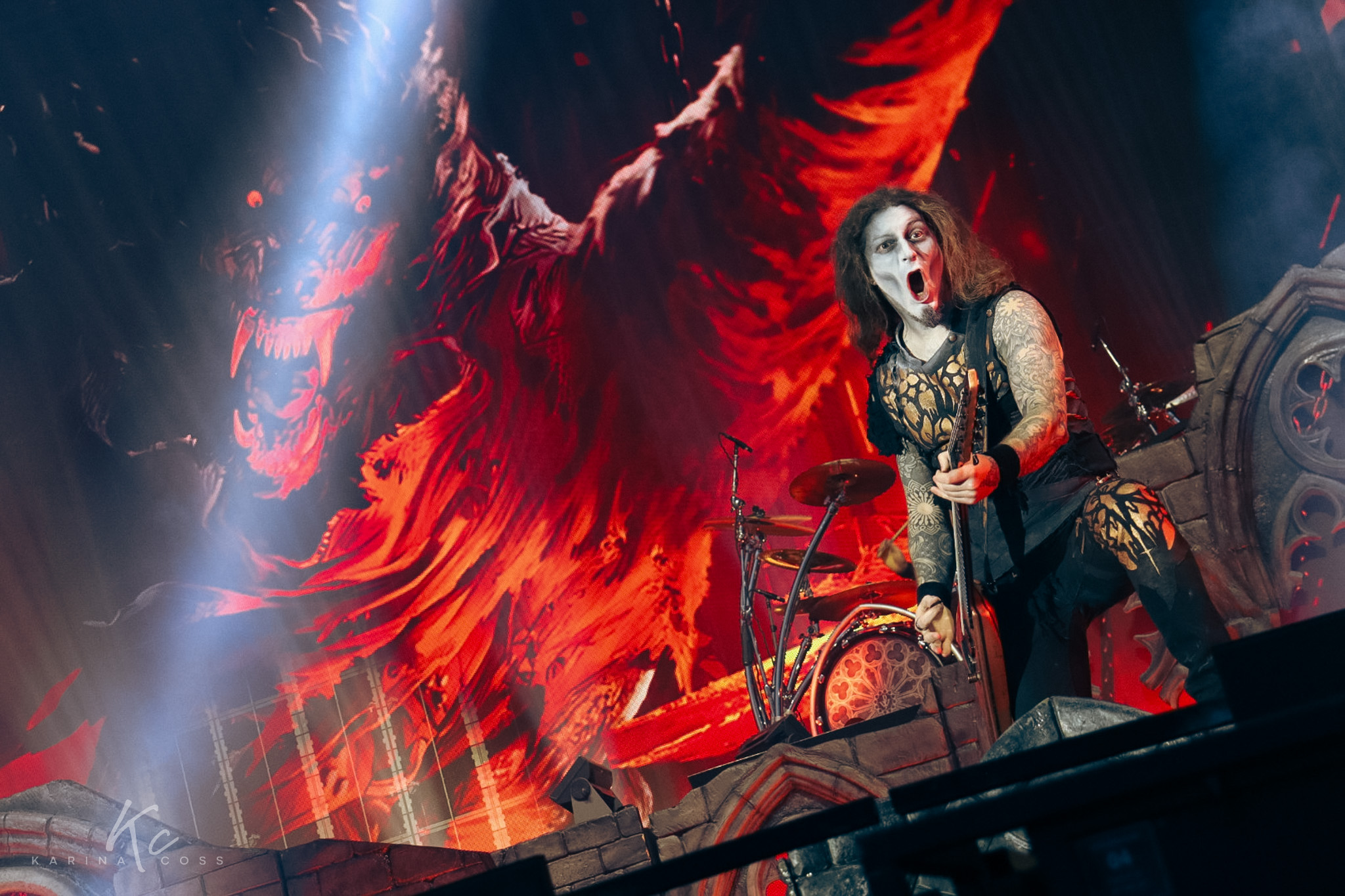
After the raw intensity left behind by Slaughter to Prevail, the atmosphere at Suvilahti didn’t waver — it shifted into a new dimension: the epic drama and revelry that only Powerwolf can bring.
The main stage headliners delivered a monumental dose of theatrical power metal — visually dazzling and tightly choreographed. Their show was a full-on blasphemous mass, complete with gothic columns, fire, smoke, and pinpoint execution that turned every song into a ritual.
Each member — from their dramatic poses to their makeup — contributed to the sacred-meets-profane aura they’ve mastered. Attila Dorn, with his near-priestly presence and commanding voice, led the masses like a dark preacher, while the rest of the band never stopped engaging the crowd. Every chorus became a shared celebration.
Somewhere between mock solemnity and overflowing fun, Powerwolf delivered a headliner-worthy performance that satisfied die-hard fans and curious newcomers alike.
And as a heartwarming detail: from the front row’s best vantage point, a plush wolf — lifted by a devoted fan — watched the whole show like a tiny lycanthropic totem. A perfect reminder that at Tuska, even the heaviest metal has room for tenderness.


 Henki Press