One theme has remained constant in my personal story with Finland: music, metal, and of course, the Tuska Festival.
Almost two decades ago, from the other side of the world, I began to feel an affinity for different aspects of Finnish culture. A series of life events eventually led me to move to Helsinki and experience firsthand what it’s like to be a metalhead in the country with the highest number of metal bands per capita.
That connection, which began as something almost instinctive —an attraction to the raw, melodic, and dark sounds coming from the North— eventually became a way of life. What started as a teenage passion turned into something deeper over time: writing, analyzing, and living music as part of my work. This year, I had the privilege of covering Tuska Festival 2025 from a new perspective — not just as a fan, but as a music journalist.
Walking through Suvilahti with a camera in hand was a transformative moment. This time, I wasn’t just attending a festival, I was observing it with a critical eye, letting the music shake me, discovering new bands, and stepping back just enough to document what happens when thousands of souls gather to celebrate metal under Helsinki’s sun (and rain).
Day 1: Label-free metal and unfiltered emotion
Day one of Tuska 2025 broke records. Over 22,000 people flooded Suvilahti, making it the highest-attended Friday in the festival’s history. From the entrance, you could feel that distinctly Finnish atmosphere —disciplined yet vibrant, passionate yet restrained.
Tradition and novelty both pulsed through the crowd, as if Tuska were celebrating not just its legacy, but its ability to reinvent itself.
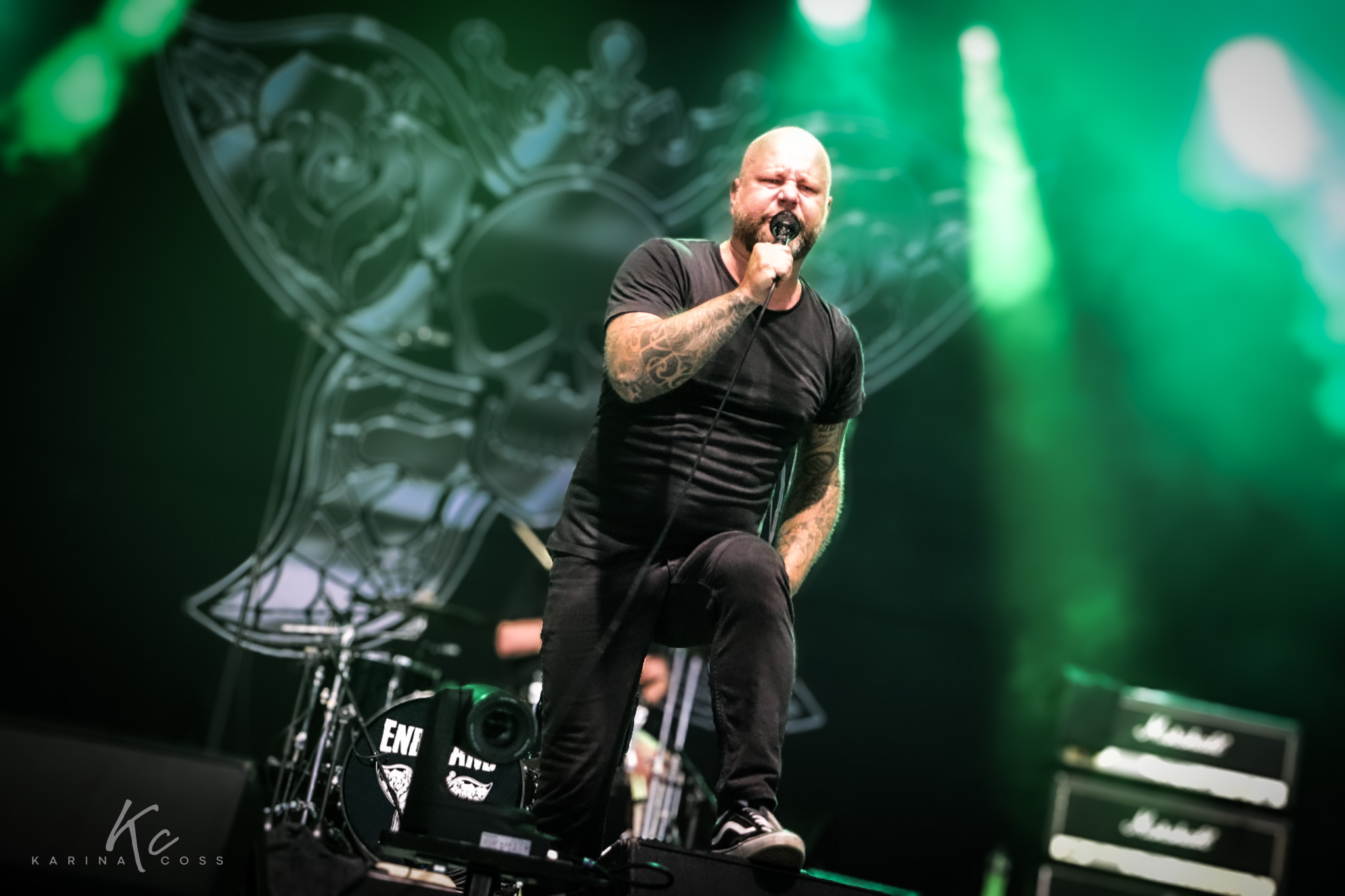
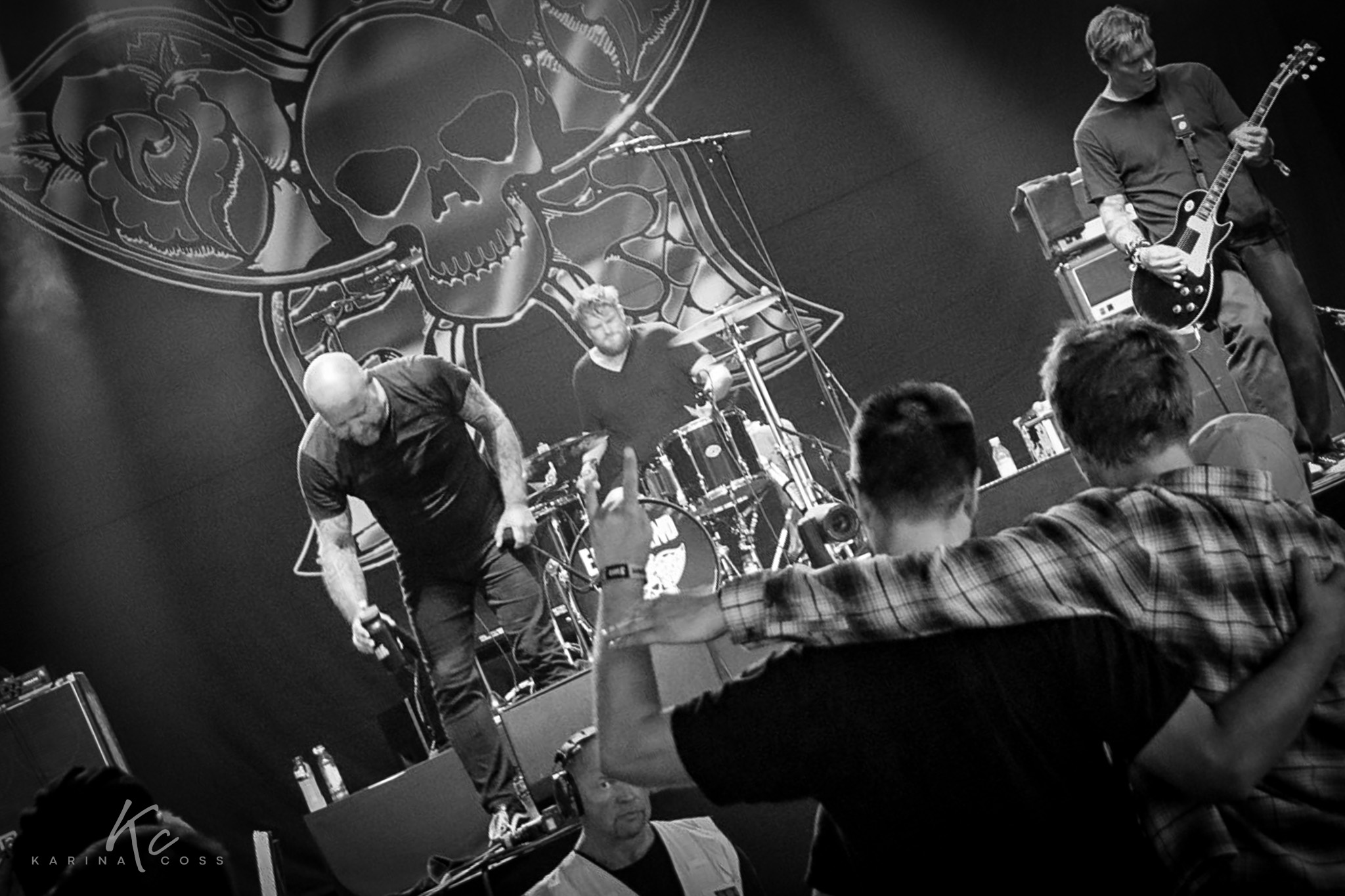
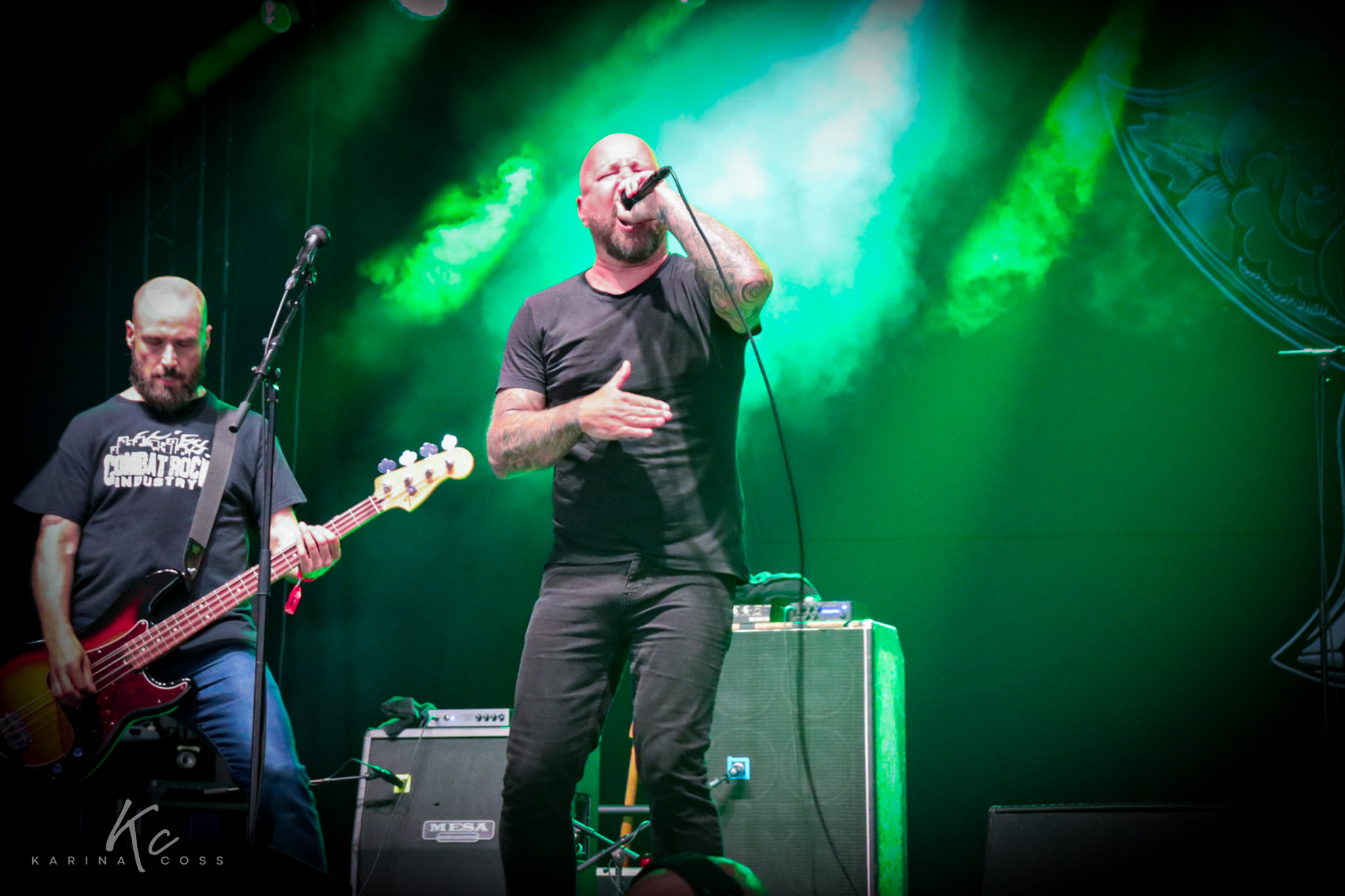
This year’s lineup went all-in on sonic diversity. Choosing In Flames to close the day was a solid move — just like opening the afternoon with punk/hardcore bands. While Endstand and Blood Command overlapped on the schedule, the decision was easy for me: I went with the legendary Endstand, the first to hit the Radio City Stage. They gave me exactly what I expected — hardcore brutality and honest mosh pits.
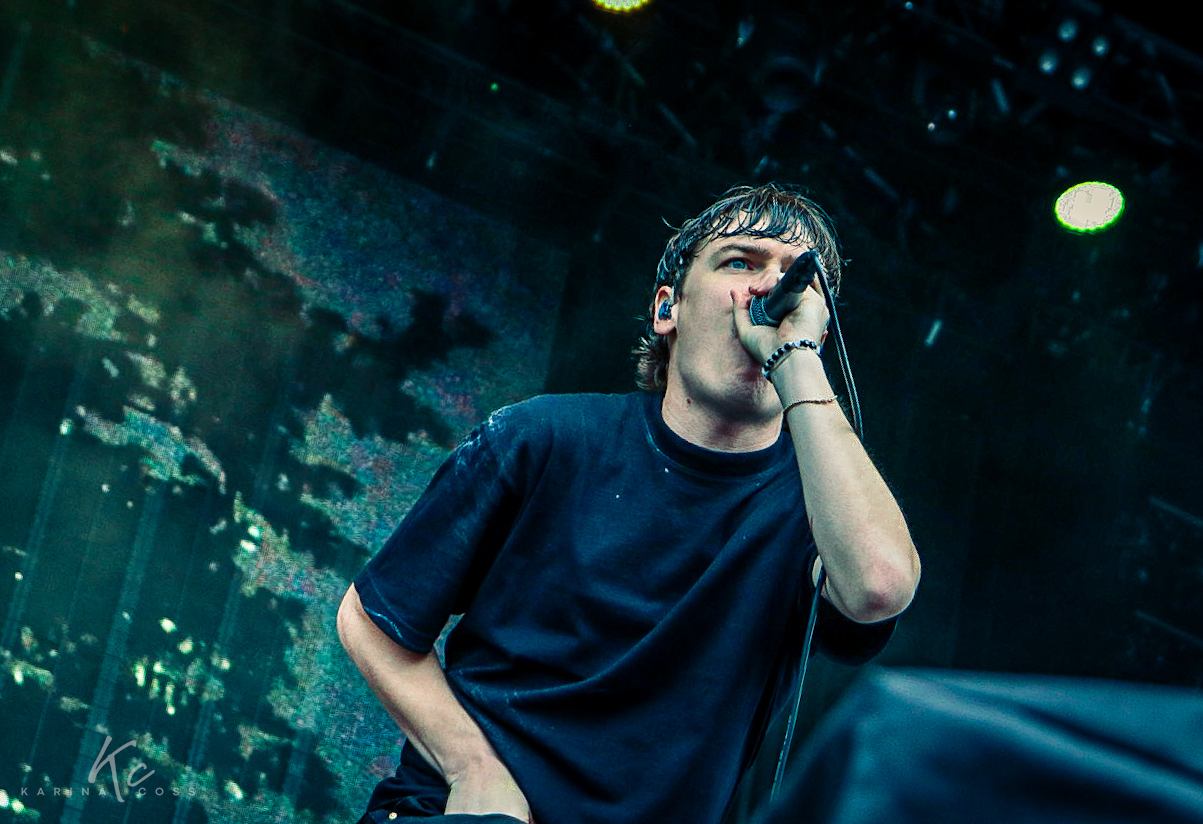
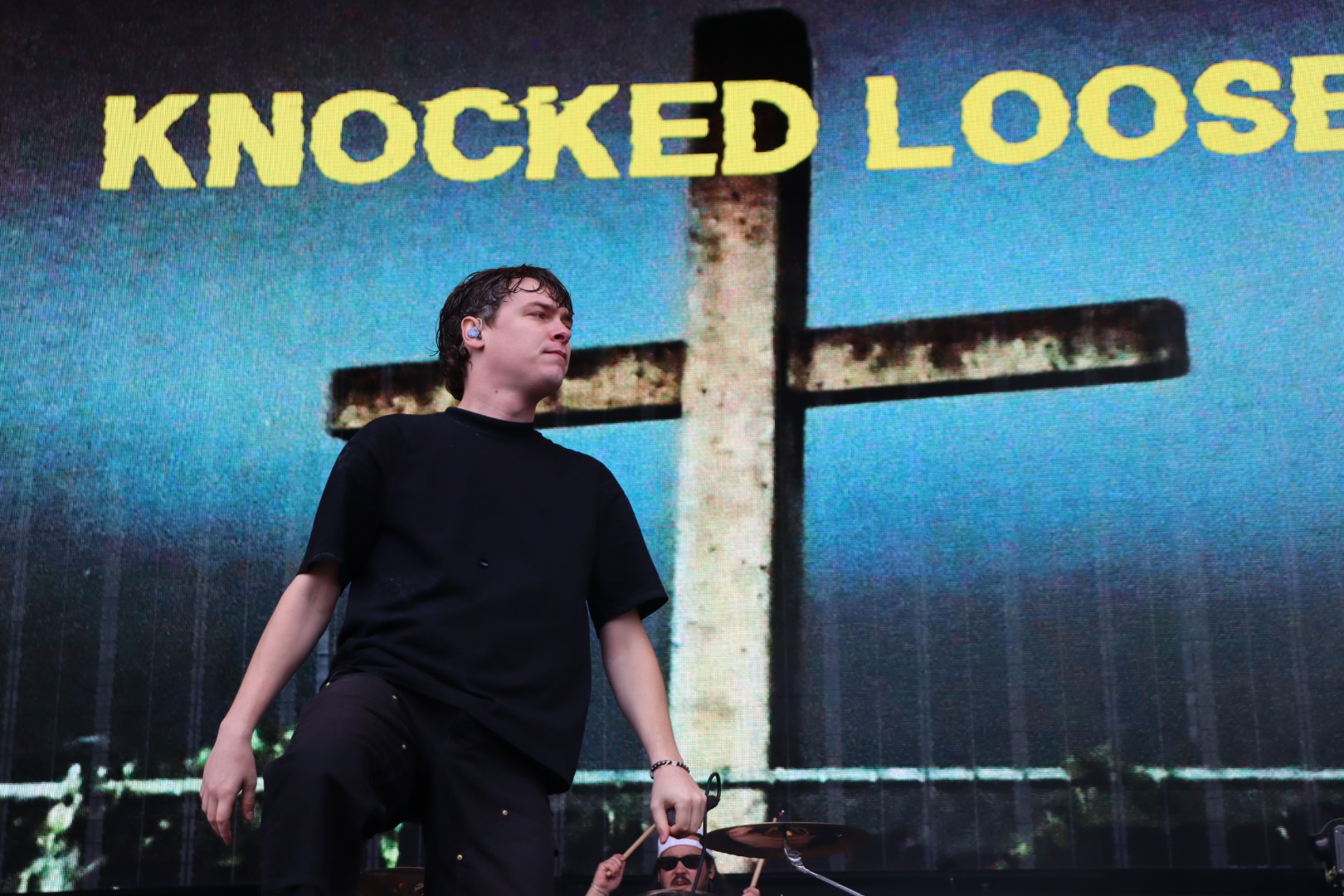
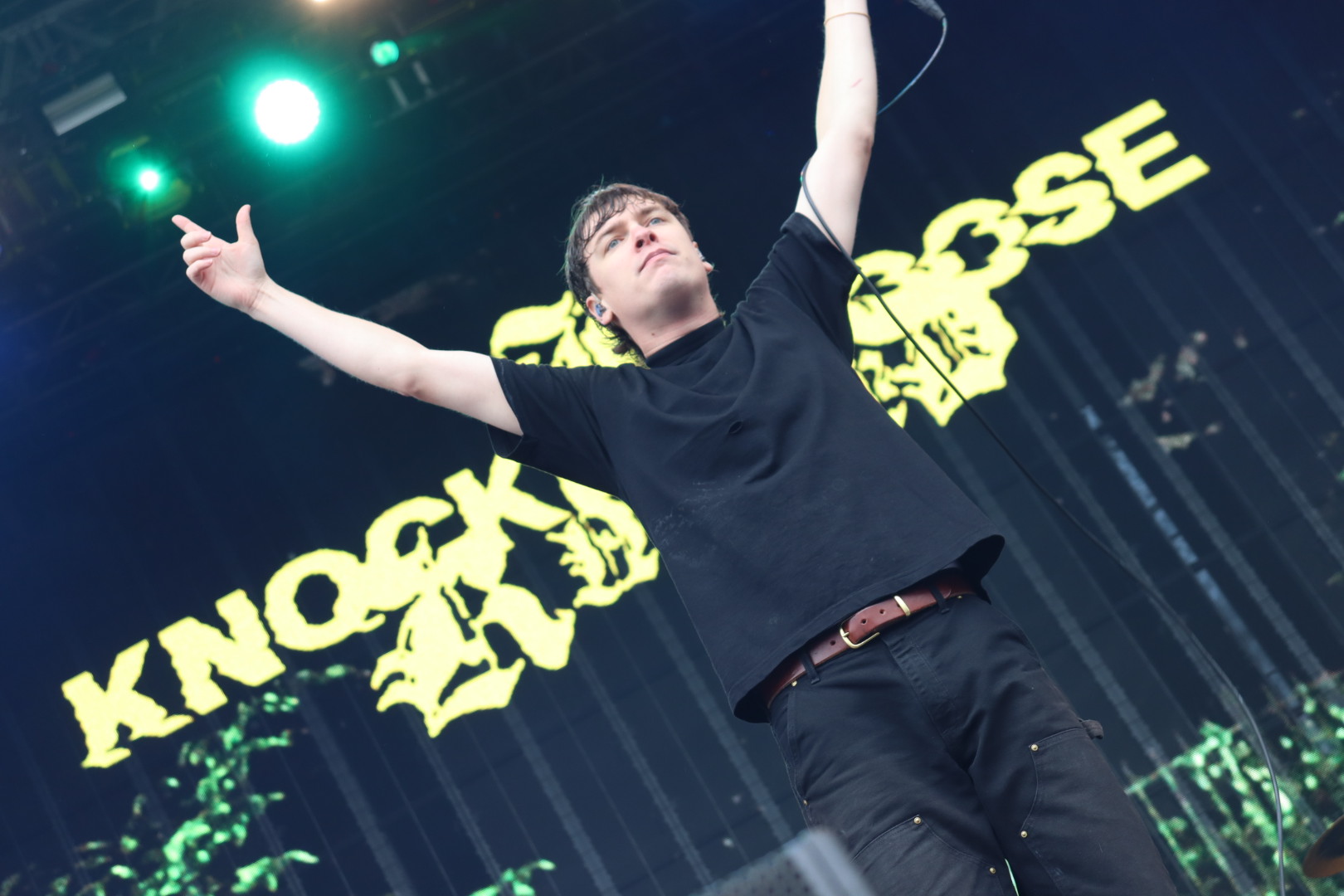
My next stop was the Karhu Main Stage to witness the chaotic, cathartic energy of Knocked Loose. What stood out wasn’t a grand production, but the raw, direct connection they made with the crowd. It felt like an open-air emotional purge, where you didn’t need to understand every lyric to feel the rage, the pain, and the desperate need for release pouring off the stage.




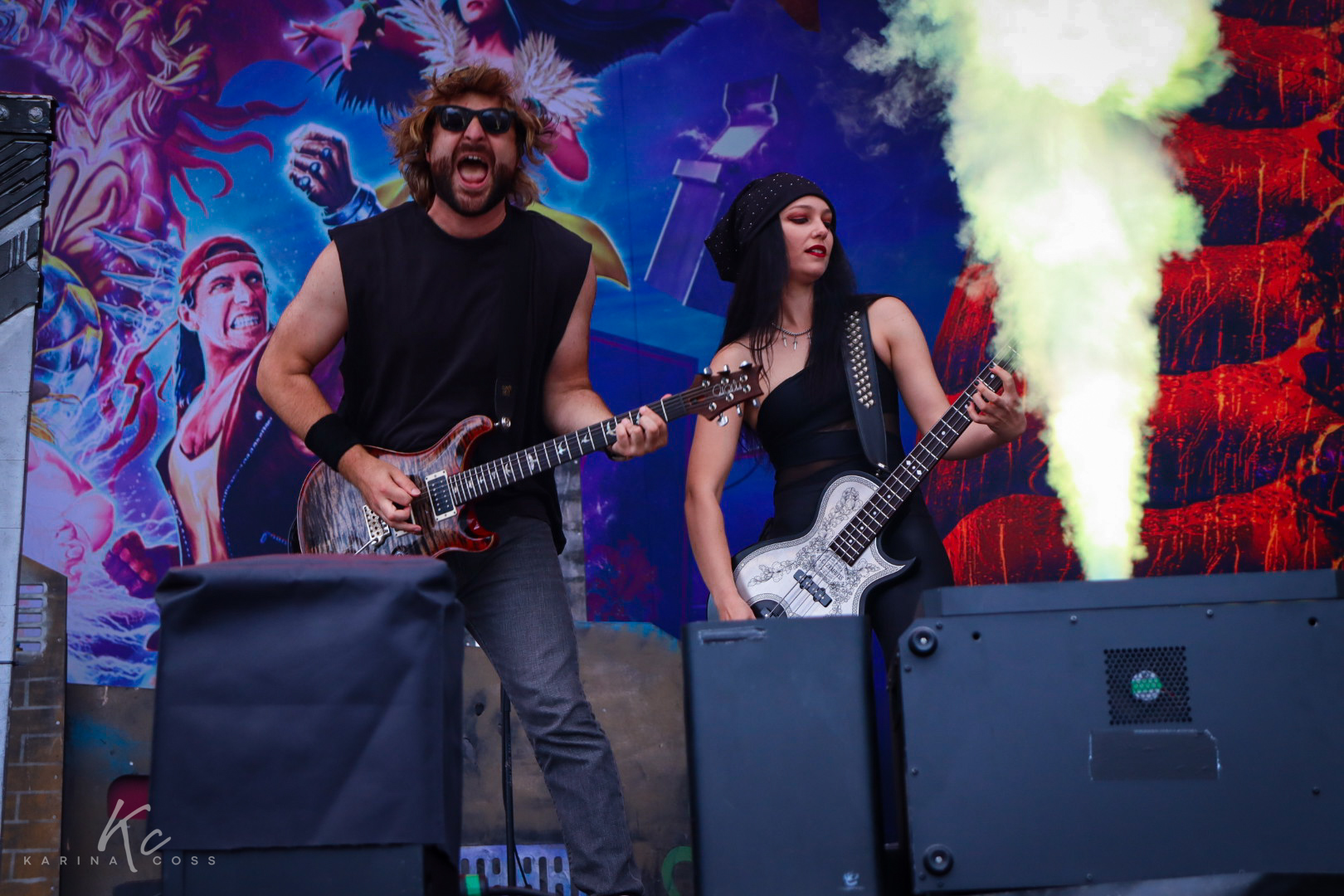
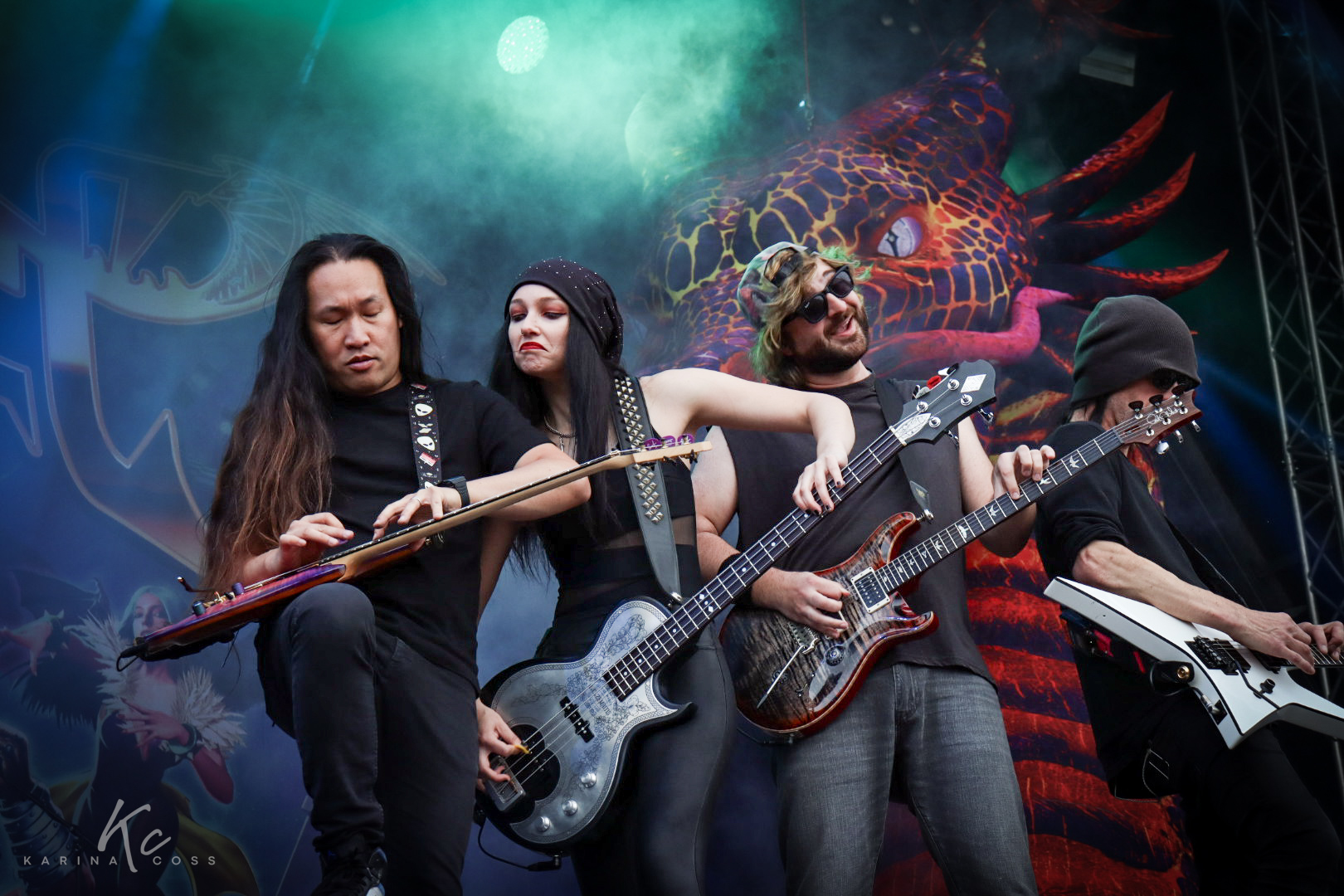
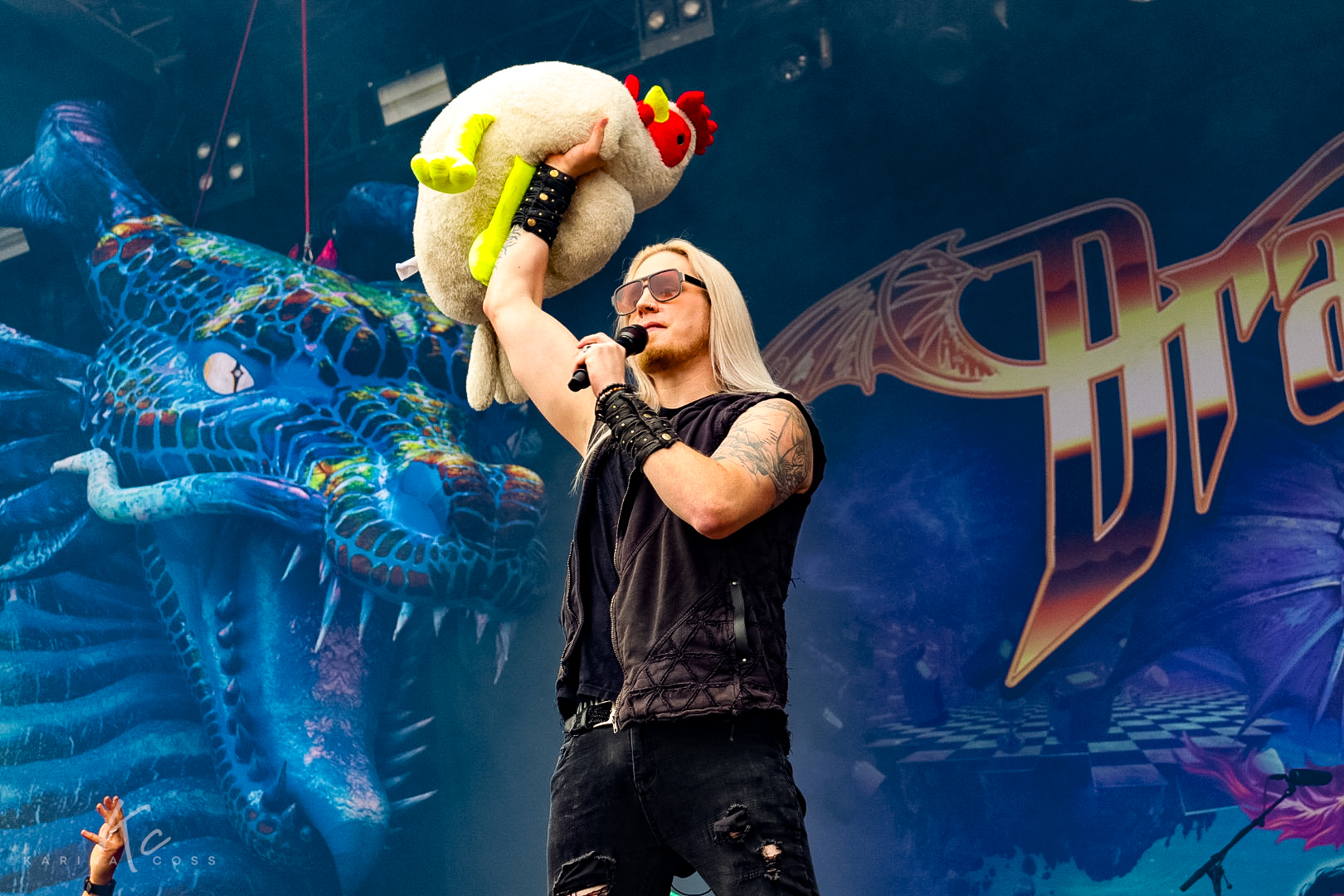
Next, I headed to the Nordic Energy Stage to catch Dragonforce. Their performance was a lightning-speed adrenaline rush — like falling into a retro video game soundtracked by guitars set to warp speed.
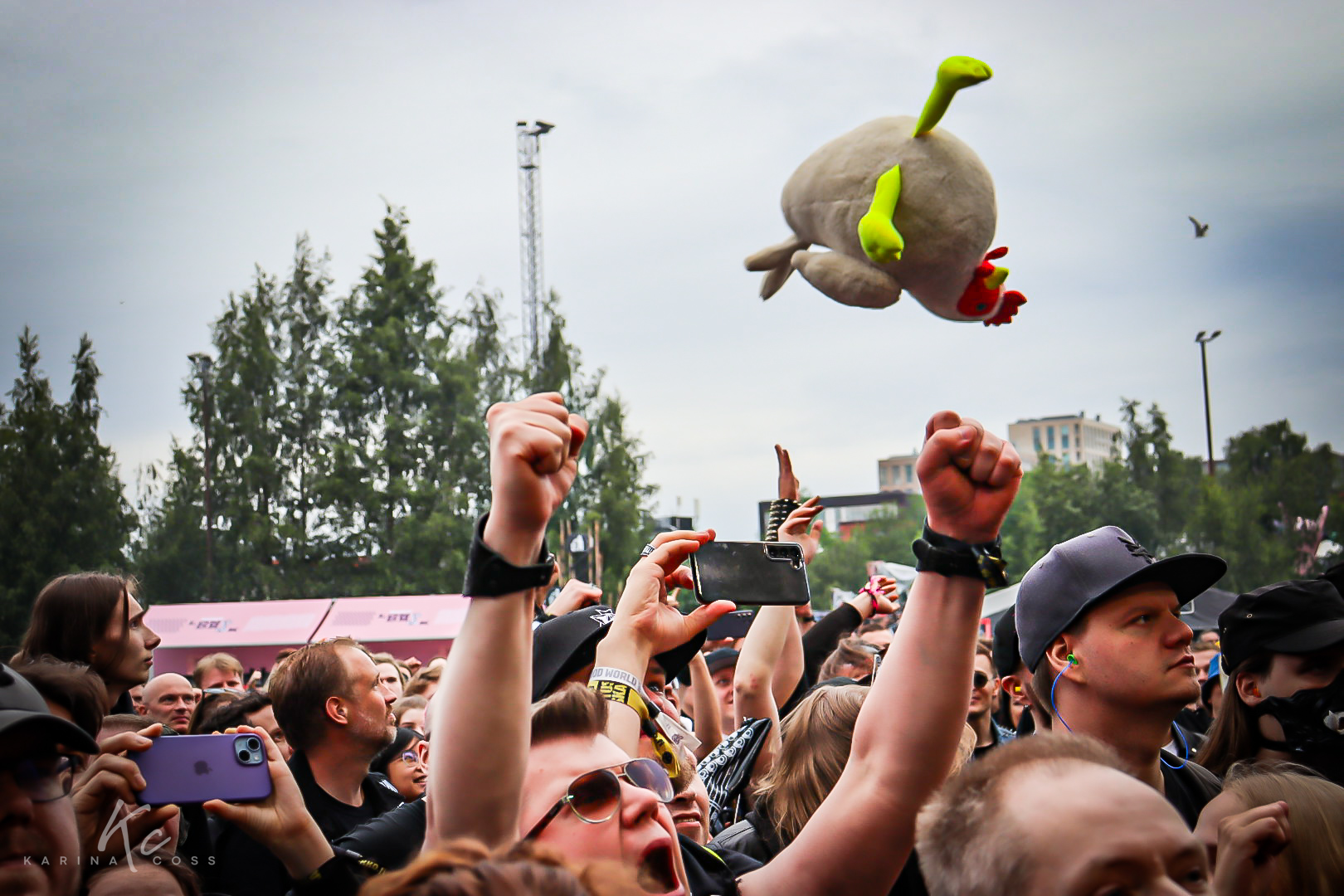
The visuals alone were a show: giant arcade machines on stage that the guitarists climbed to shred impossible solos from above. Their playful chemistry —running, posing, throwing winks at the crowd— turned the set into something hyperactive and hilarious, like watching a Street Fighter round fought between inflatable dragons. It was impossible not to enjoy their technical speed mixed with theatrical humor (including a plush chicken that went crowd surfing).


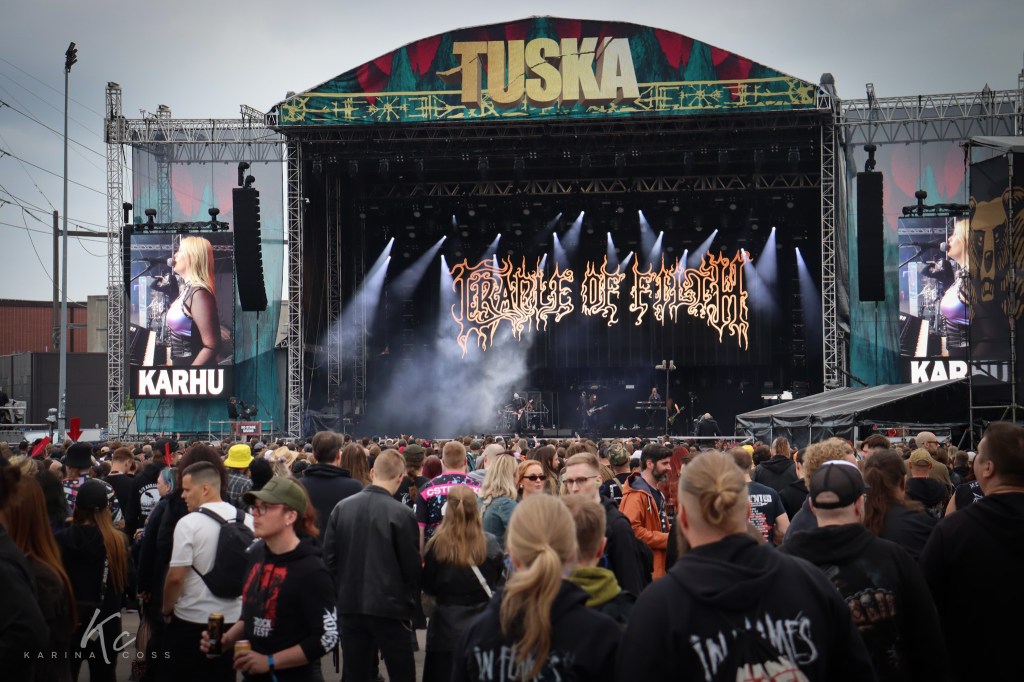
On our way to the main stage for Cradle of Filth, we got caught in a relentless downpour. So instead, we admired the diehards who packed the field — rain or shine — to witness a show that even from a distance looked unmissable.
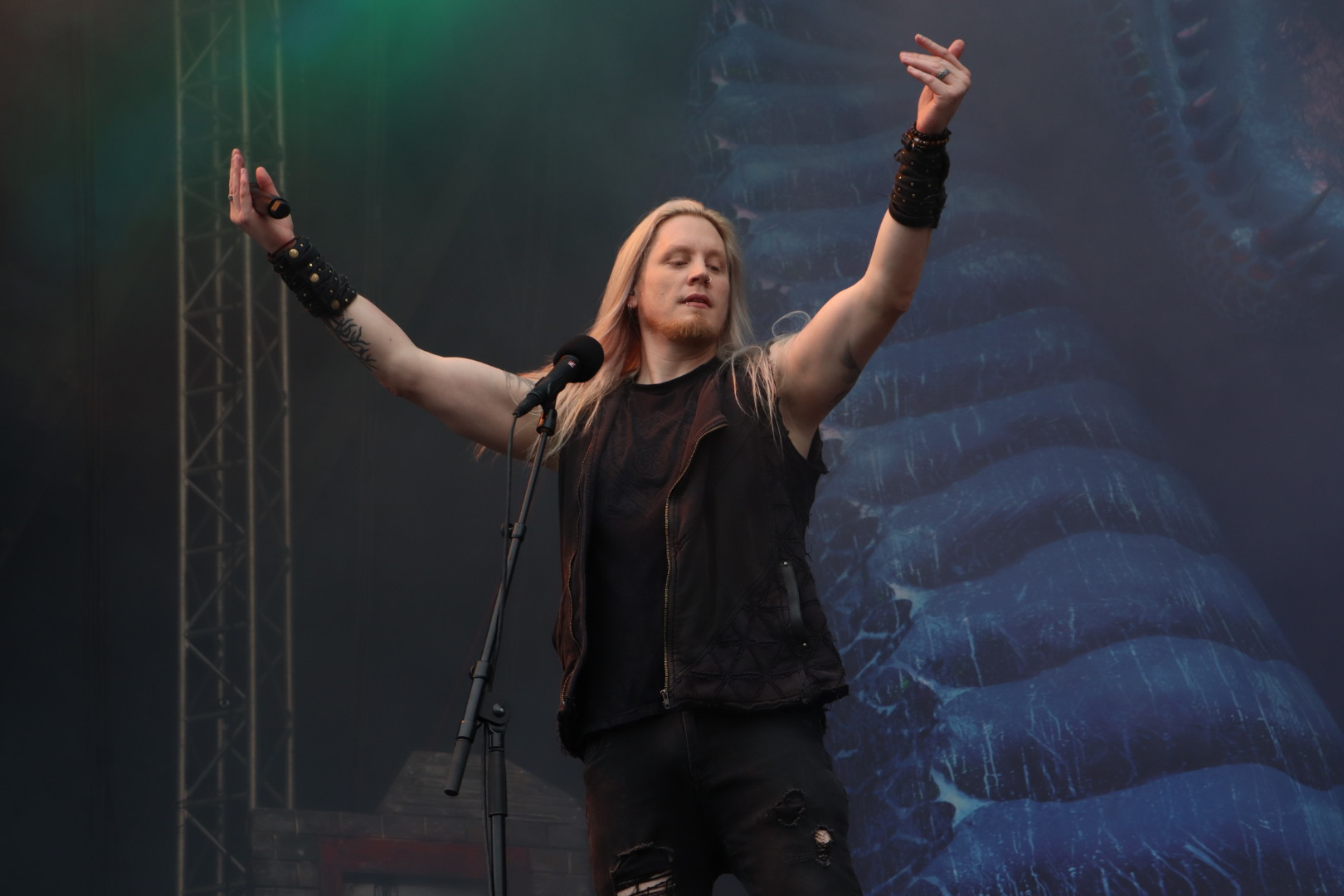
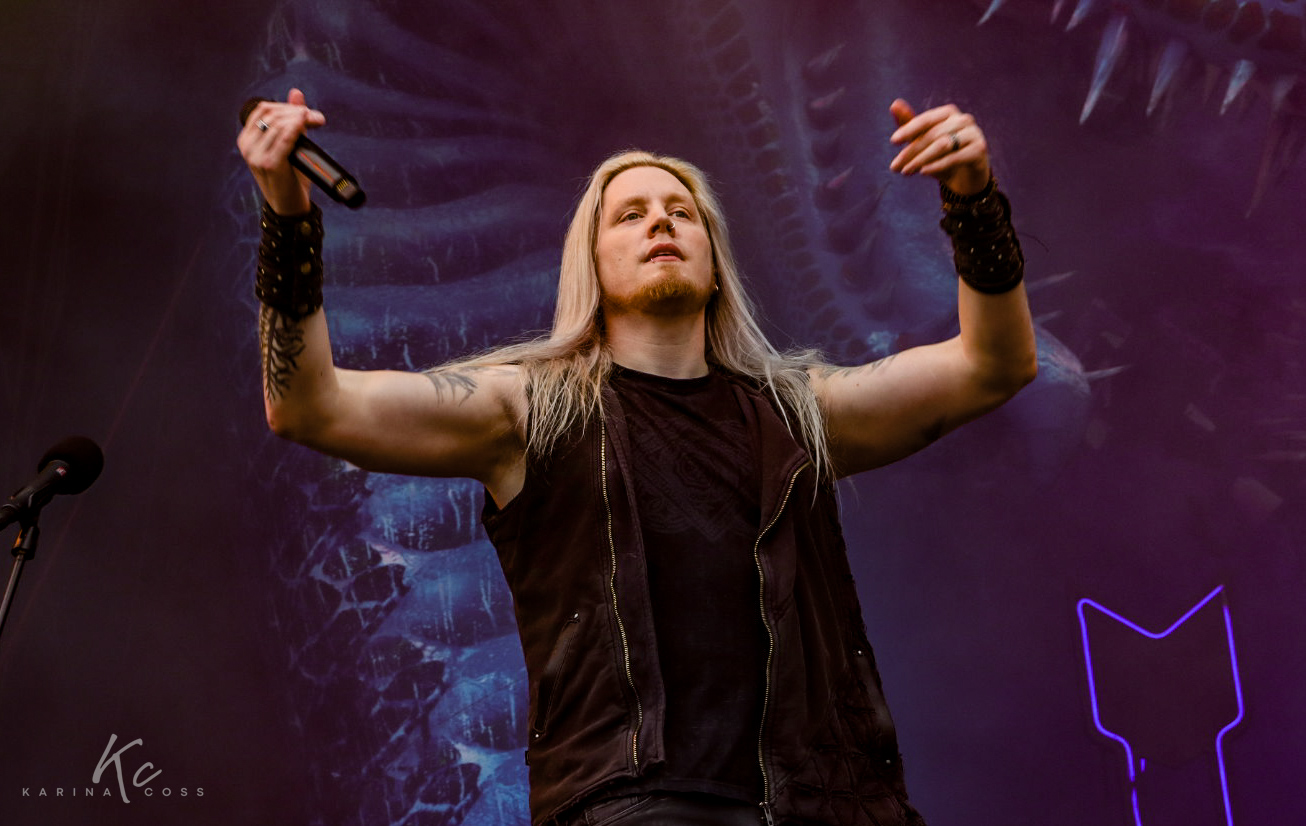
And yes, Cradle of Filth brought their signature gothic drama: dense atmospheres and theatrical darkness. Dani Filth’s piercing vocals and ritual-like gestures were on full display. But even that sinister aura didn’t protect him from a very human moment — mid-set, he stumbled while stepping onto an imaginary monitor. Far from ruining the show, the crowd greeted it with a mix of surprise and knowing giggles. True to form, he got up as if nothing happened. A moment as human as it was brutal — perfectly in tune with the spirit of the festival.
With the rain letting up, we took the chance to explore the food area and check out the new, massive VIP terrace next to the main stage. Logistics were spot-on: the cashless system worked flawlessly, and there were more food options than ever — including Burger King and a wider range of vegan and eco-friendly choices.
When Bambie Thug and Marko Hietala were playing on different stages at the same time, I made a far less philosophical decision: I went for fried chicken and fries. I’m not even that into chicken — or missing two such different shows — but I needed a break. Still, the buzz around Bambie Thug was undeniable. No matter where you were, you could feel her presence — people running to catch her set, conversations crackling with curiosity and awe. It reminded me of that signature Tuska rebellion: the boldness to mix the extreme with the unexpected, giving space to artists who push the limits of what we call metal.
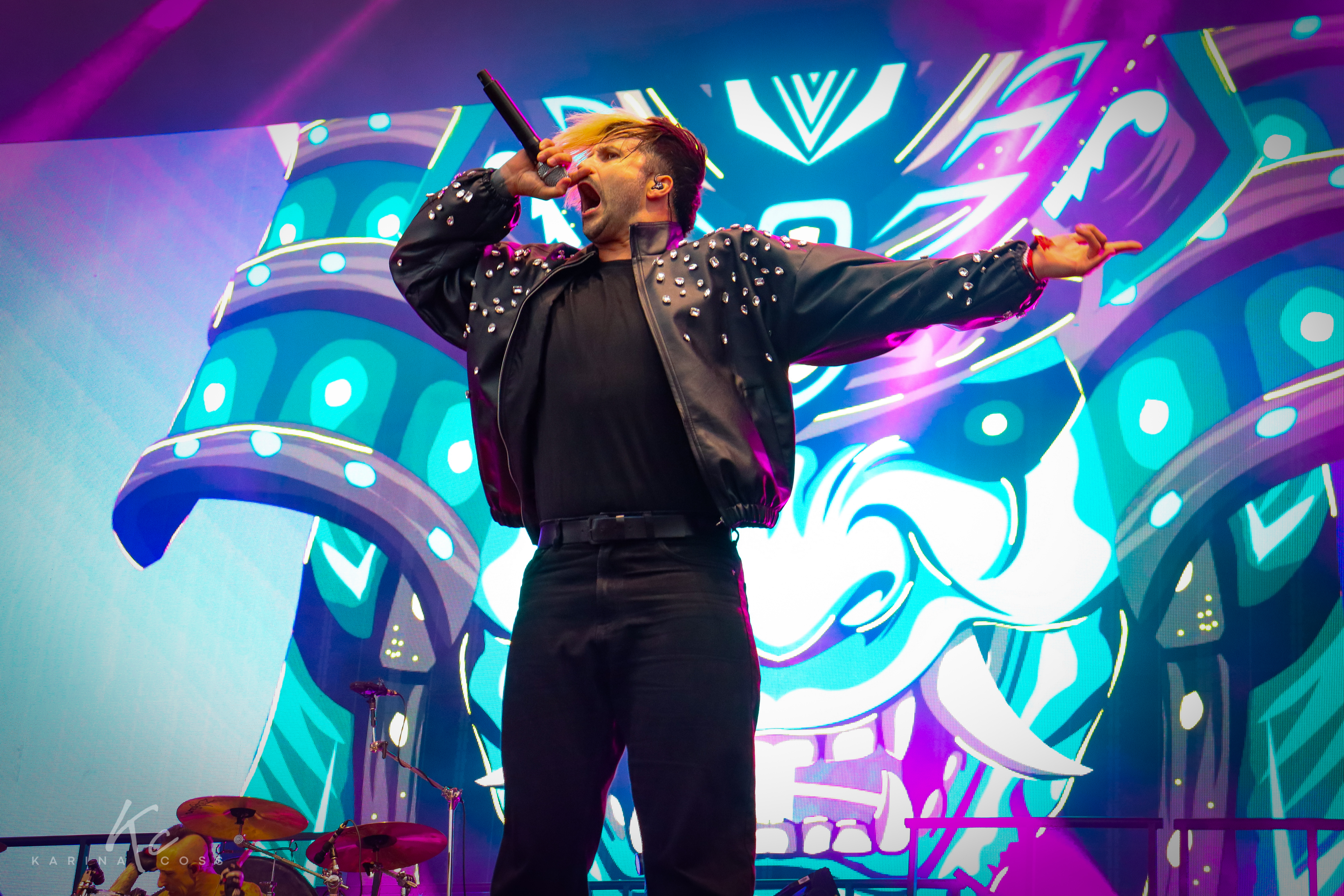
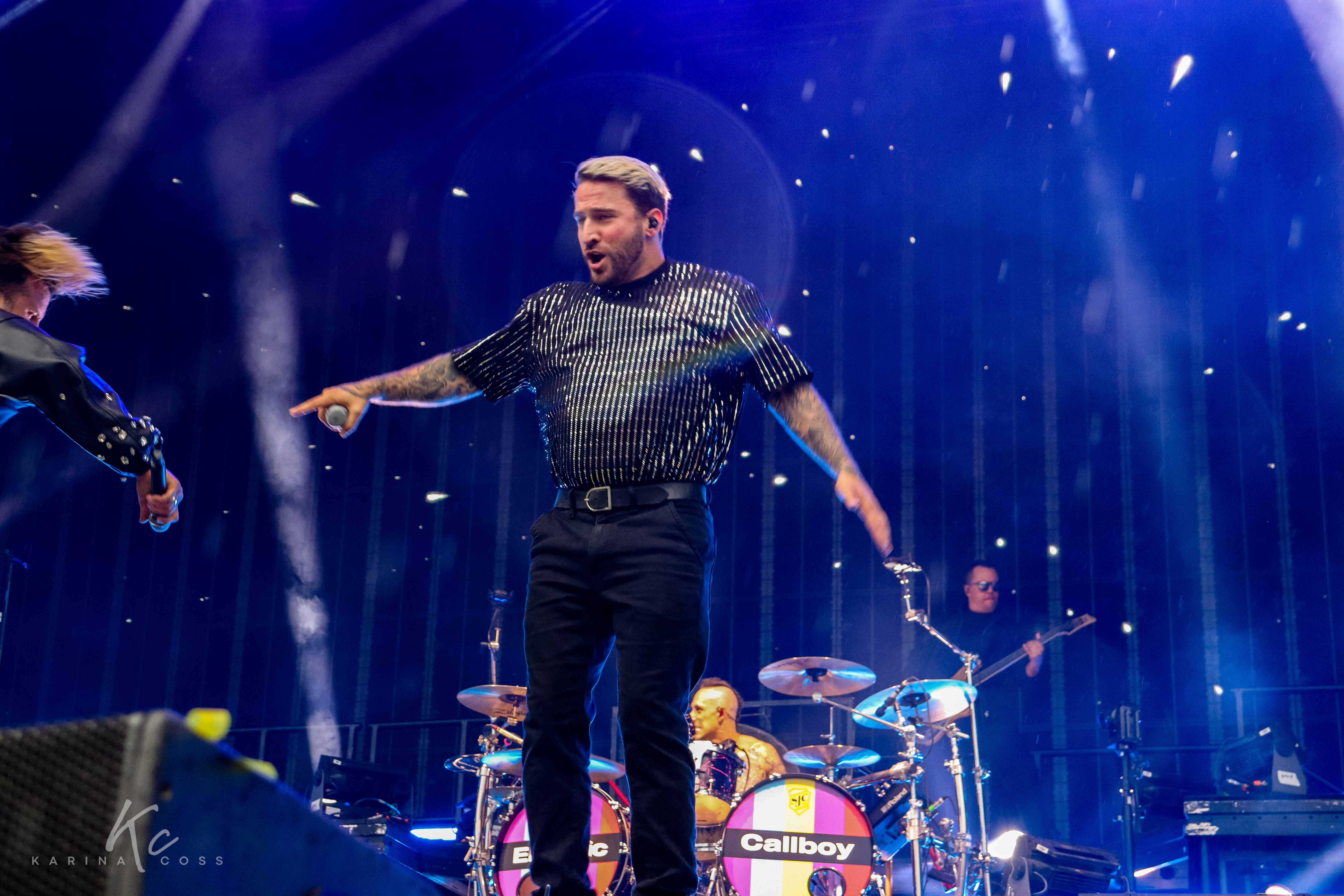
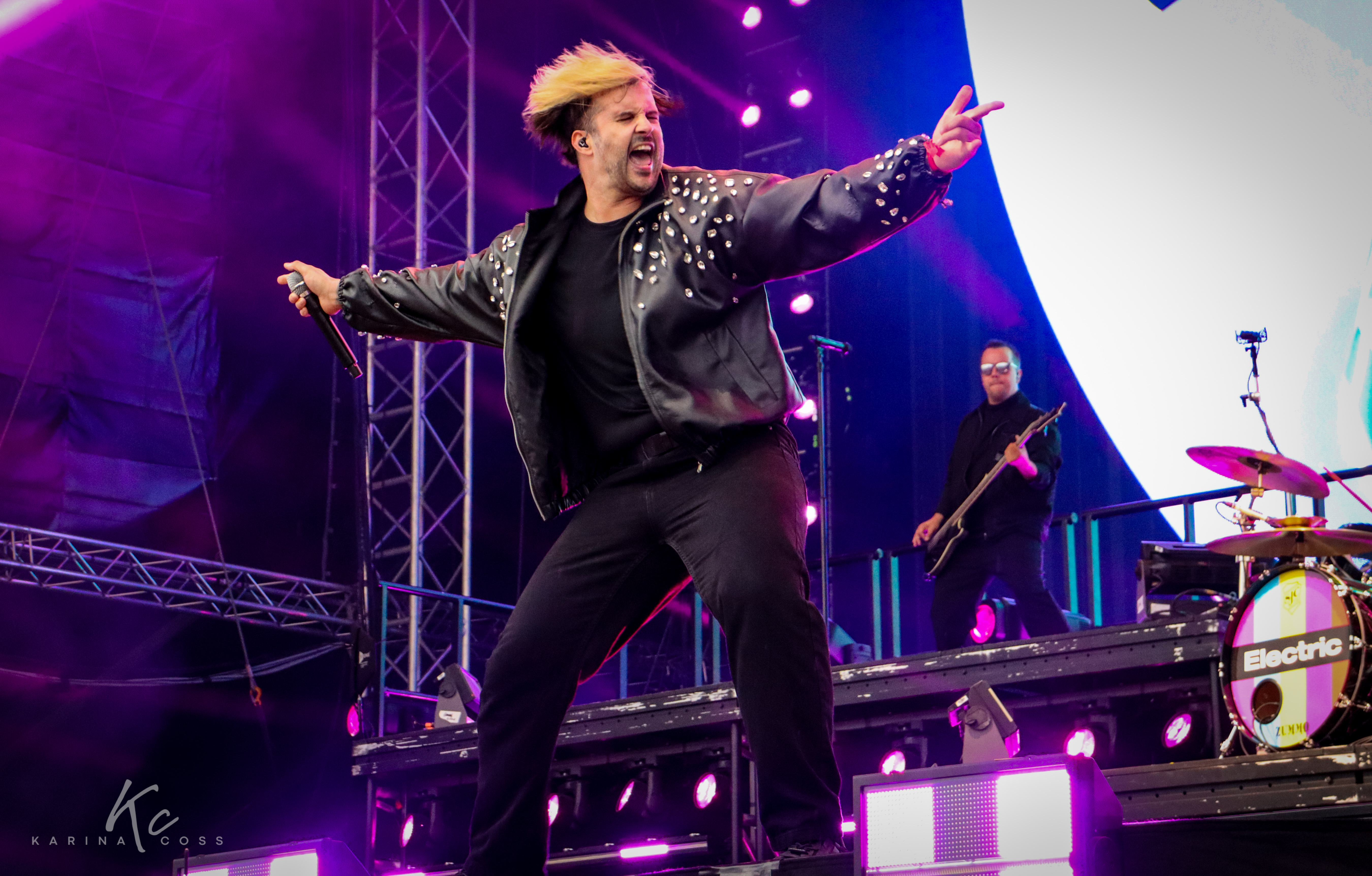
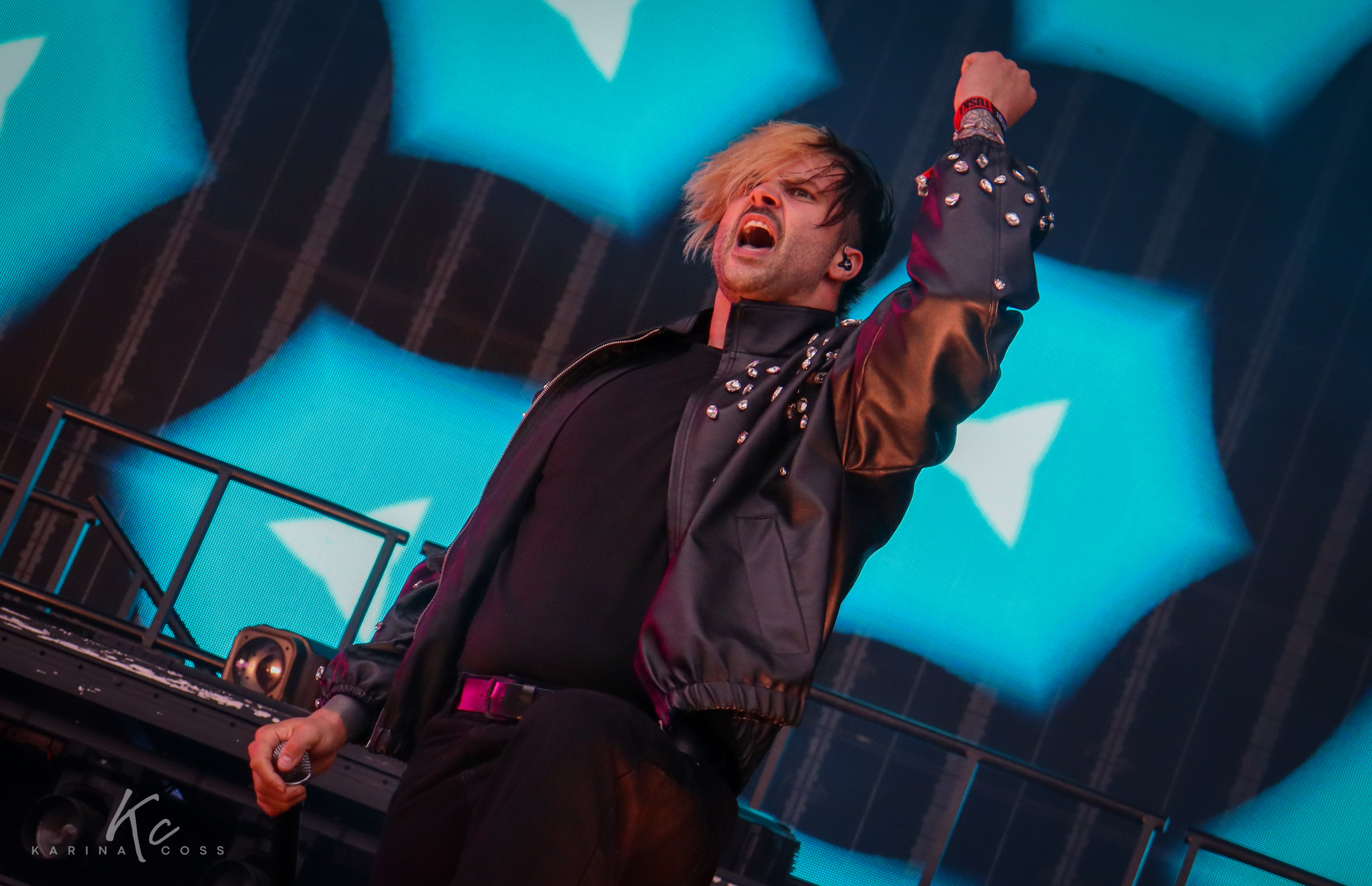
Recharged and ready, it was time to spend every last drop of energy with Electric Callboy. Their previous Tuska show was in the second tent stage — which clearly wasn’t big enough. This year, they hit the Karhu Main Stage and absolutely owned it. The crowd exploded into a massive party of lights, choreography, autotune, and danceable breakdowns like only they can deliver.
It was pure mayhem, full of humor and self-parody — think eurodance-metalcore-comedy fusion with ridiculous visuals. Tracks like We Got the Moves and Spaceman turned the entire field into one bouncing body. Oh, and they even played an acoustic version of Linkin Park’s Crawling. In short: a wild, unforgettable party that proved metal can (and should) be fun.


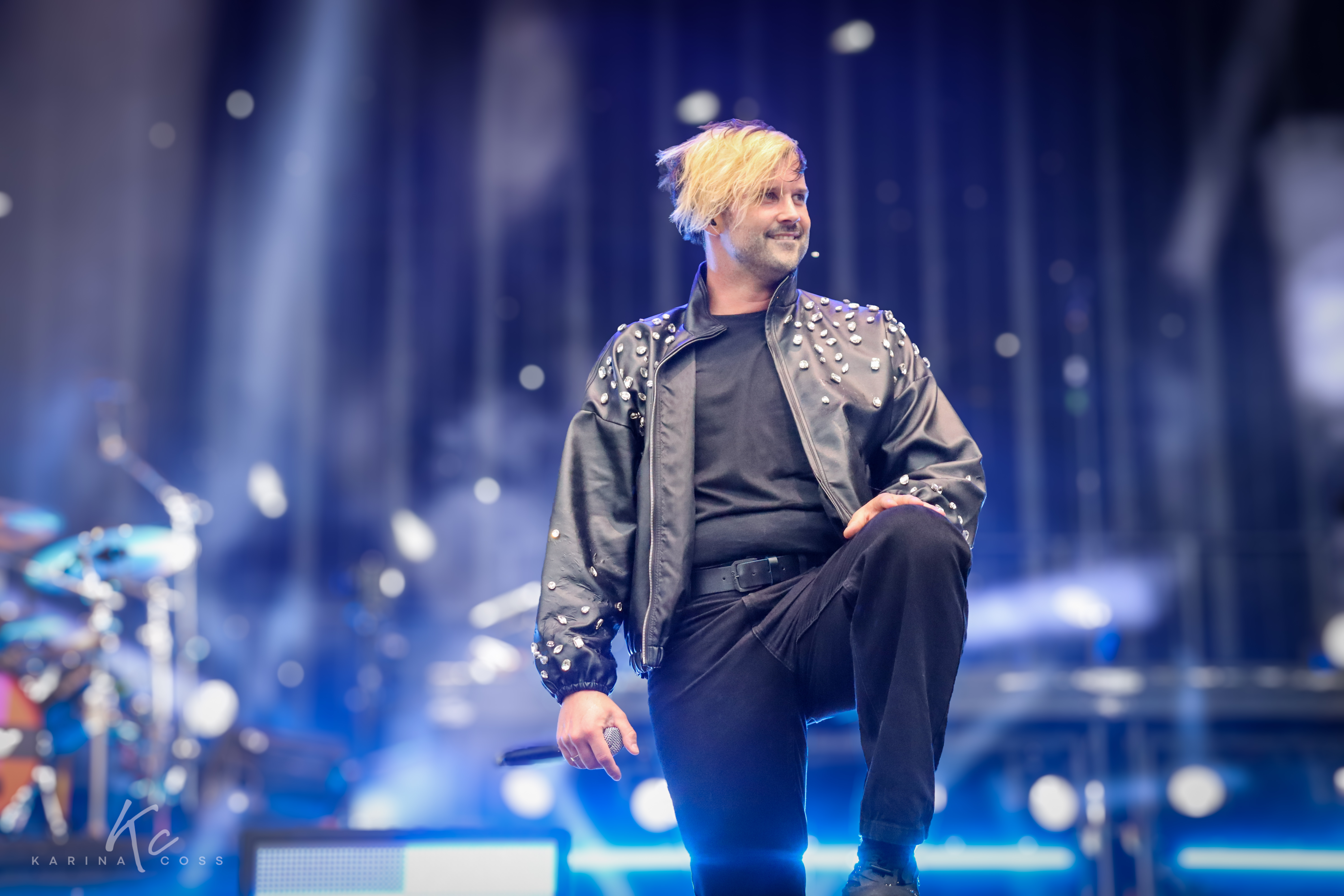






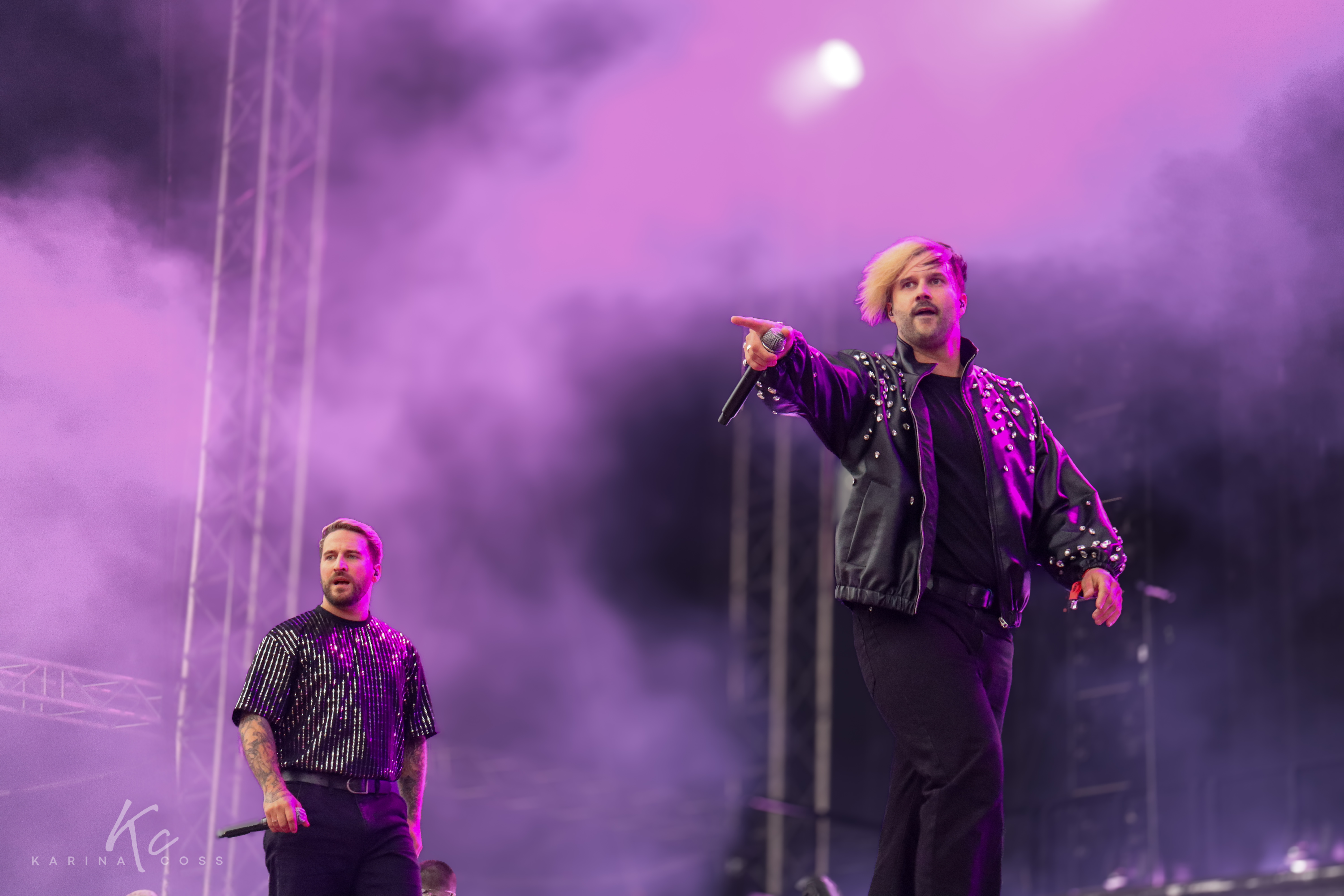

Although In Flames officially closed the day with a flawless, high-production set — even streamed live by Yle Areena, a testament to their status — my emotional closing act came with Imminence.
In Flames were a powerful, classic finale. But for me, someone who writes from a place where music intersects the intimate, the symbolic, and the lived, the deepest resonance came elsewhere.
Before even stepping on stage, Imminence had taken part in the Tuska Forum — a space for cultural and philosophical discussions about metal. They spoke candidly about the purpose of music, emotional expression, and channeling the darkness and beauty of the human experience. Their honesty about identity, success, and creativity set the emotional stage.

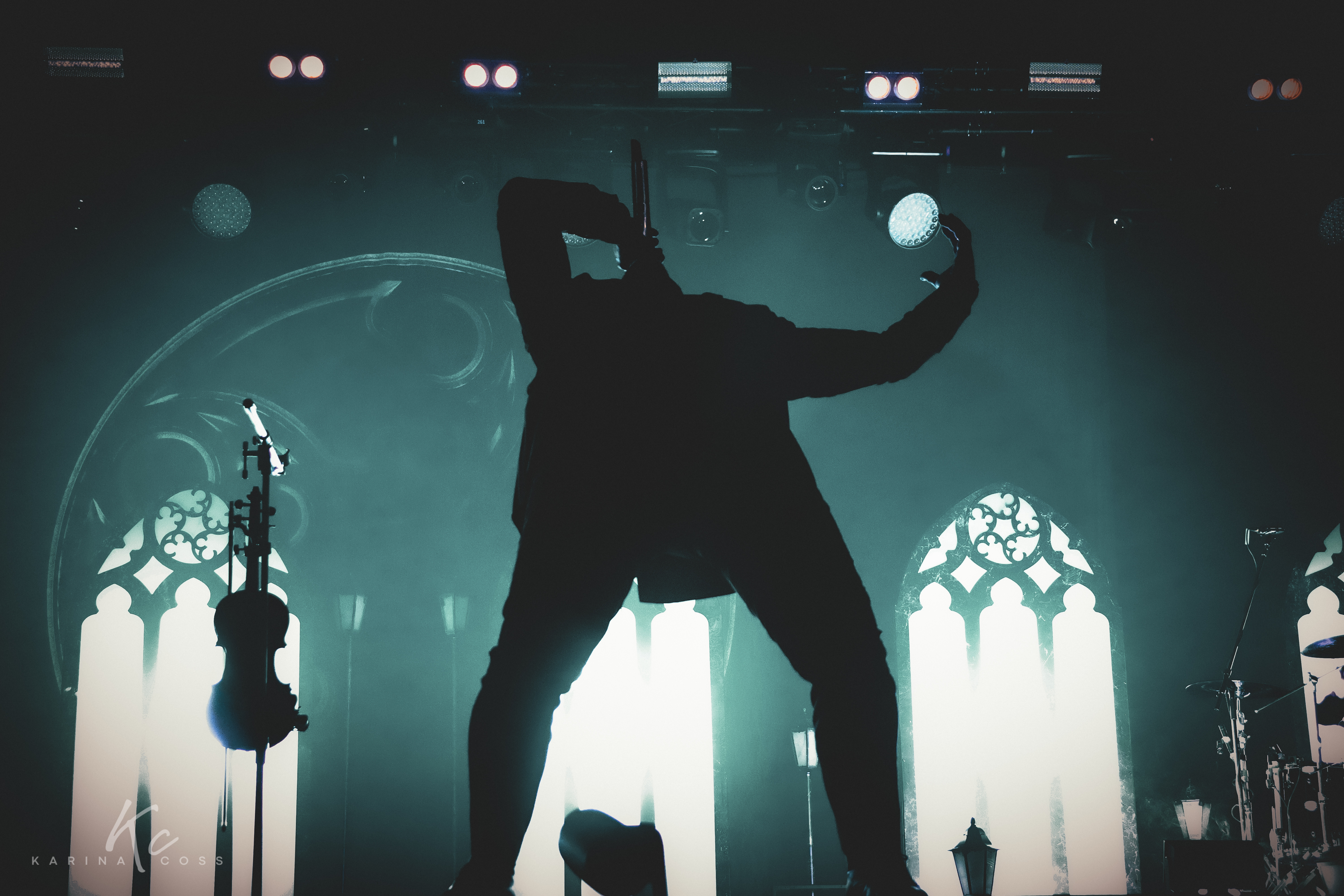
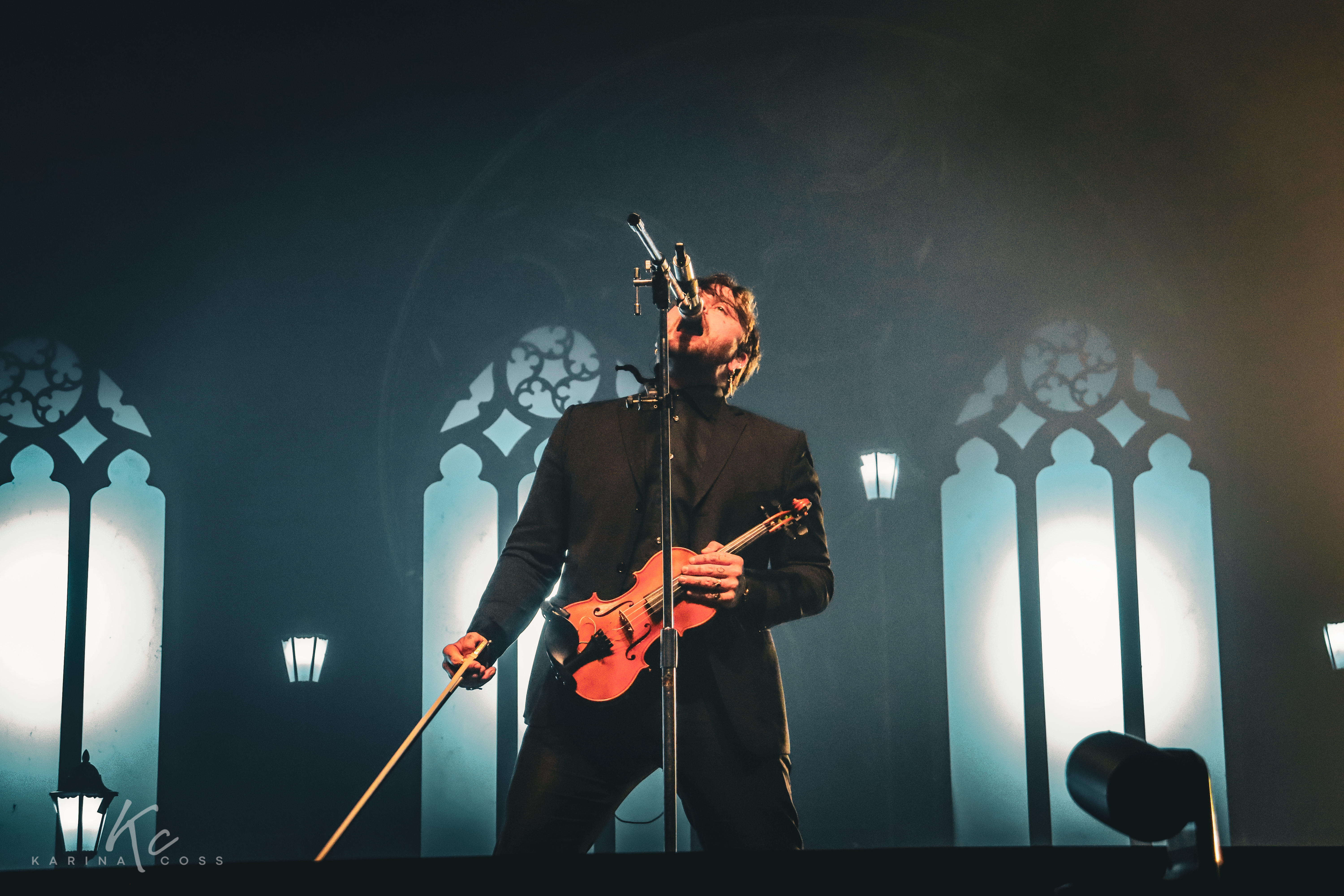
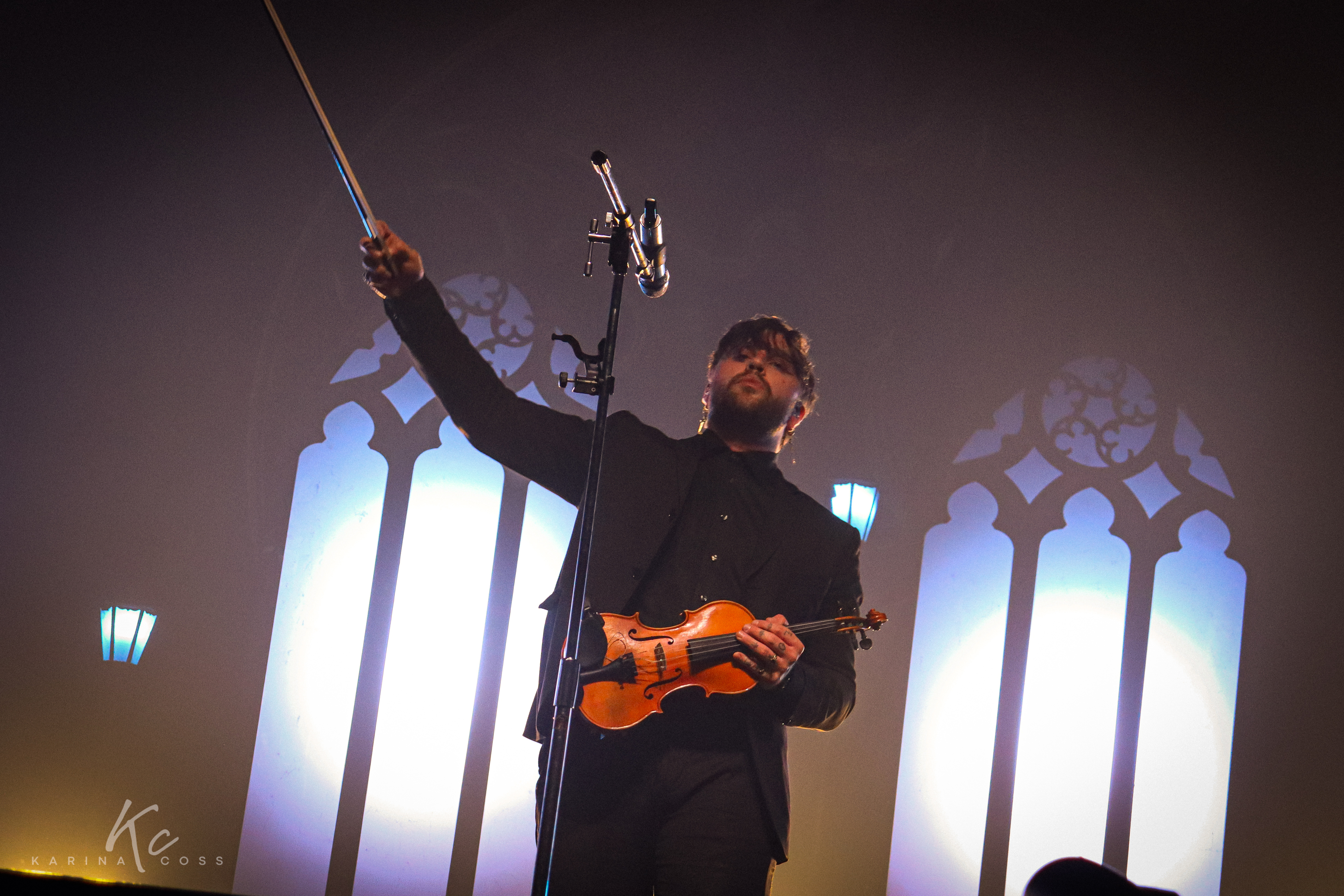
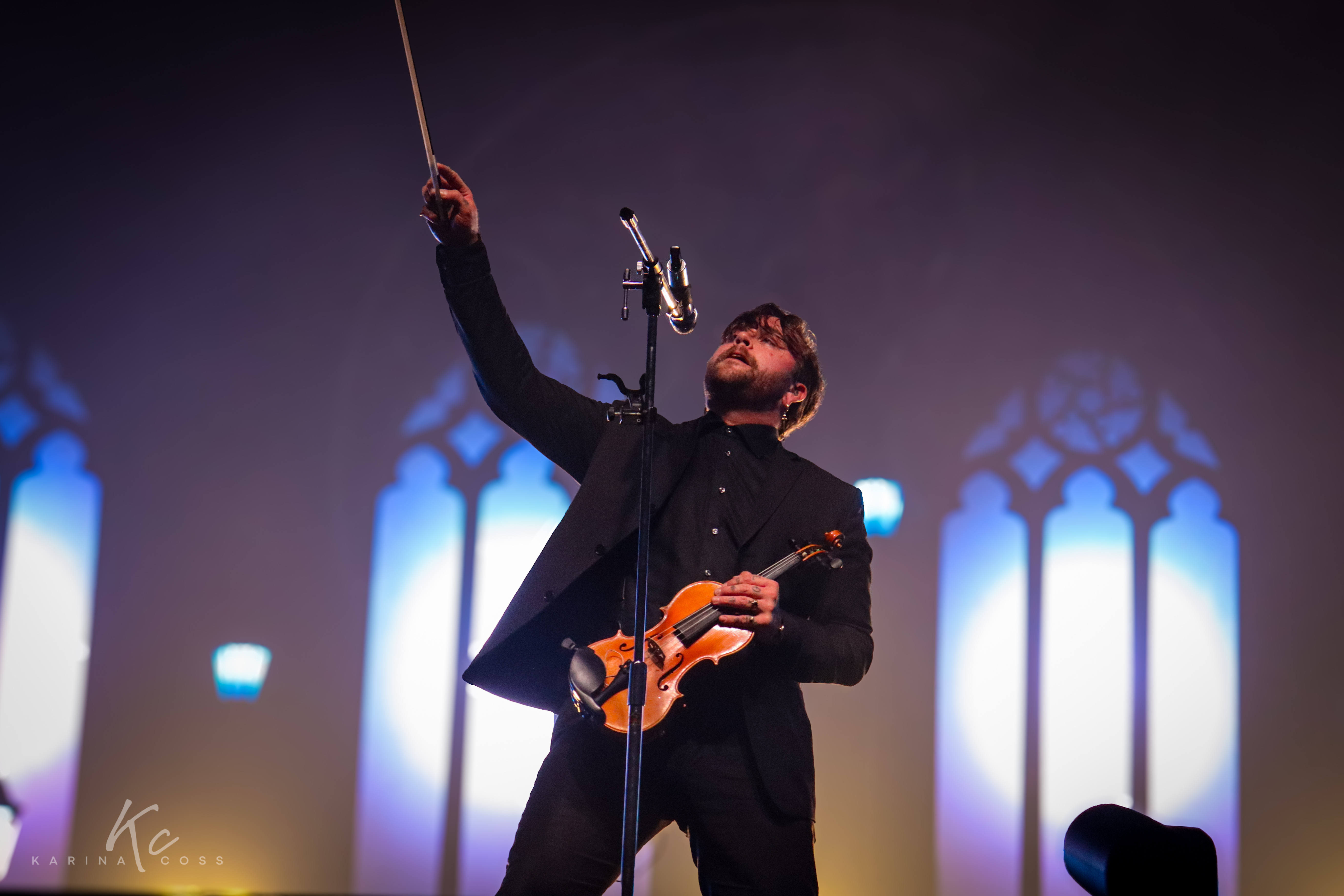
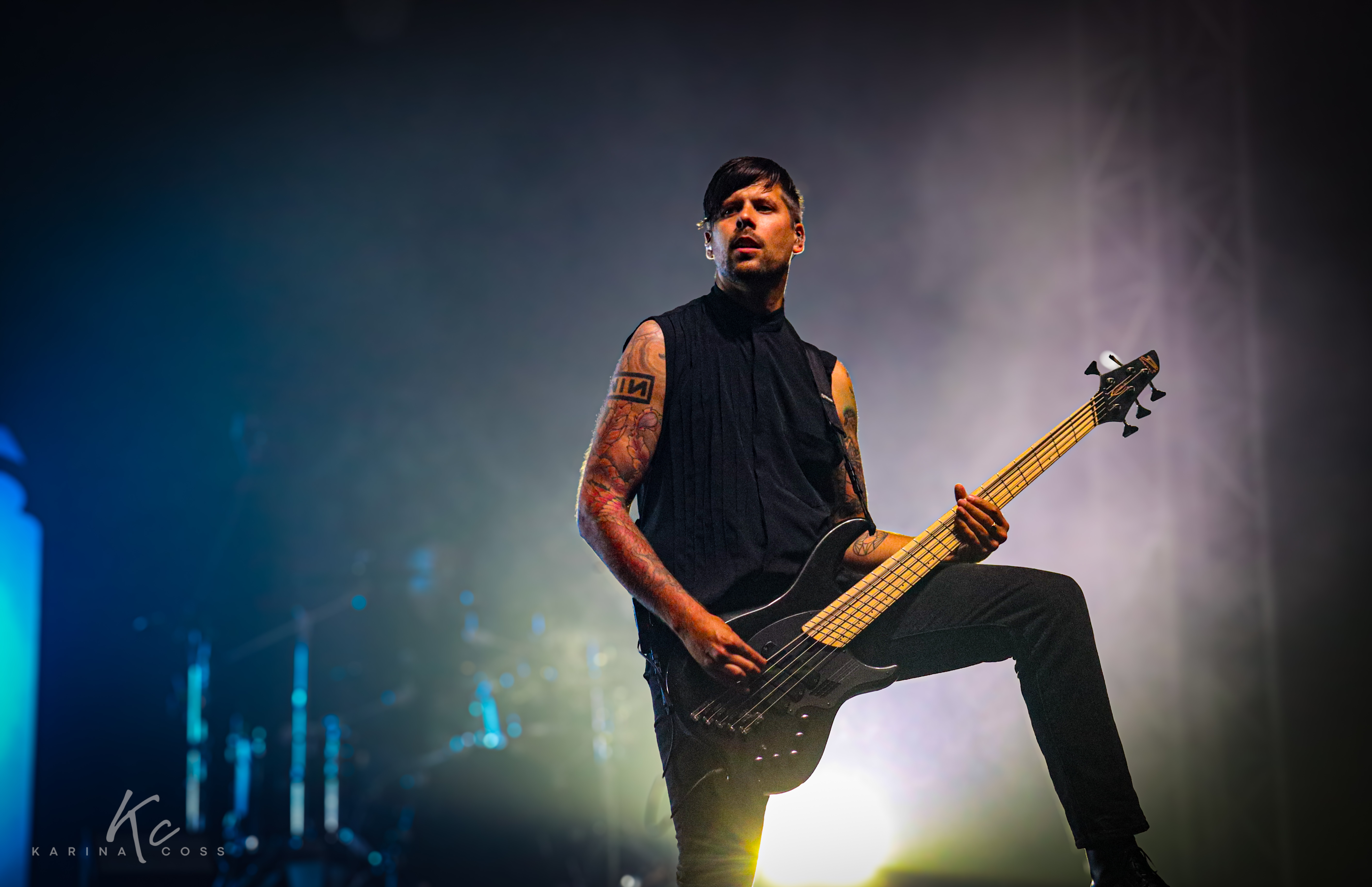
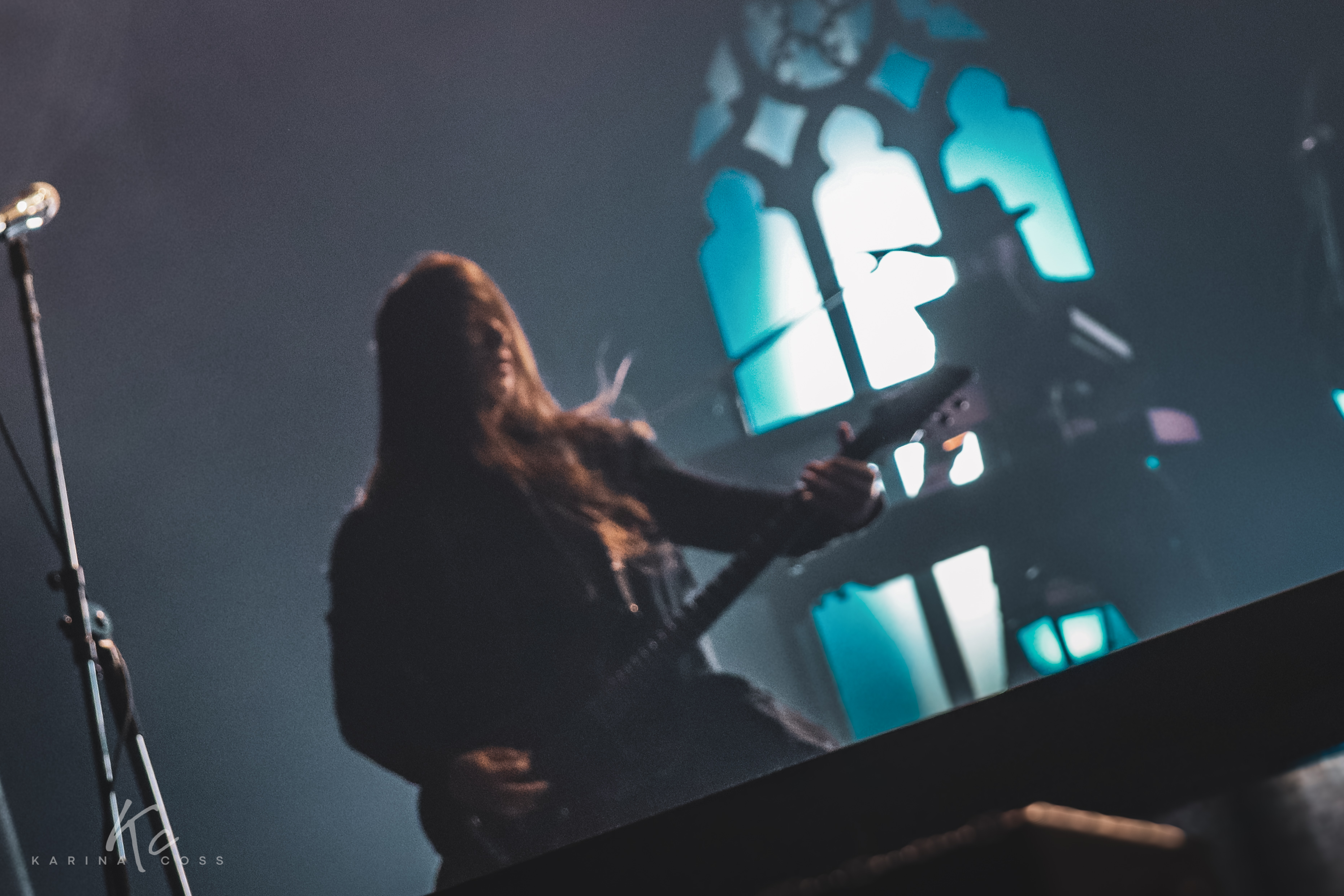
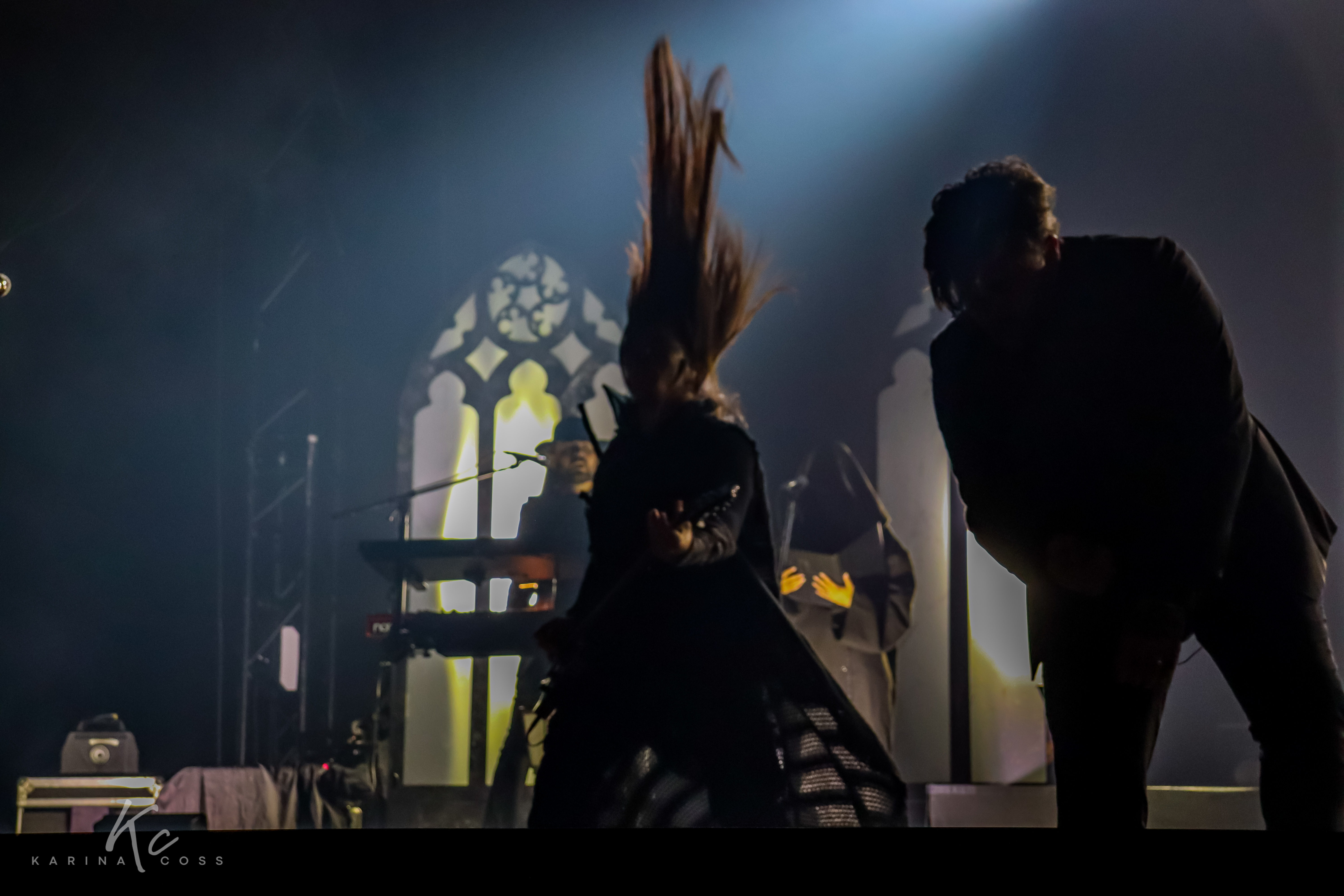
And then, the show itself: a perfect extension of that conversation. Their mix of melodic metalcore and string arrangements —violins that felt pulled from some melancholic corner of the Nordic woods— created a performance that was both precise and visceral. Eddie Berg’s voice moved between fury and fragility with stunning sincerity. It was the only moment of the day where time seemed to stop.
So even though the day “officially” ended with the roar of In Flames, my personal ending was quieter, more internal — and came through Imminence. Their set wasn’t just a show; it was a reconnection. A refuge. A bridge. A form of emotional resistance. Hearing Heaven Shall Burn or Come Hell or High Water with that violin slicing through the air made everything that brought me here feel like it had found its meaning in just a few notes. I closed my eyes, took a deep breath, and felt part of something.
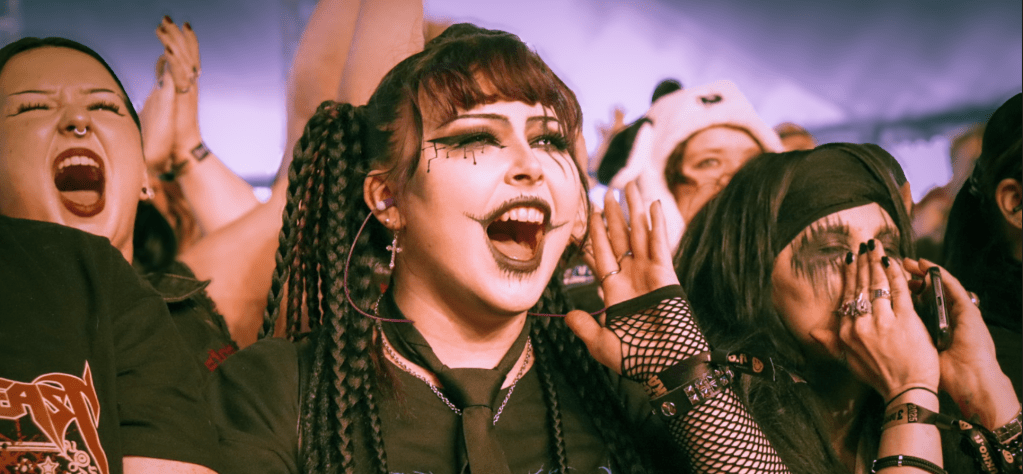
Just as I was lost in the most heart-wrenching version of Death by a Thousand Cuts, eyes closed and throat tight, something yanked me out of that inner journey — a pair of gothic boots landed near my face. A girl was crowd surfing with a wild, blissful grin. It was a perfect, brutal reminder that at Tuska, even the most ethereal moments can be interrupted by a healthy dose of shared chaos. And maybe that’s the magic of it: the constant swing between the sublime and the savage.
That’s what makes Tuska special. It’s not just a parade of heavy bands — it’s an experience that confronts and comforts. A place where metal isn’t just noise, but story, body, catharsis, and community. And on that first day, my story ended exactly where it needed to — in that moment of exquisite devastation, held up by a violin and a broken voice speaking a language I’ve always understood.






 Henki Press